
A computer circuit board works by interconnecting electronic components through copper traces, allowing data processing, power distribution, and communication across the entire system.
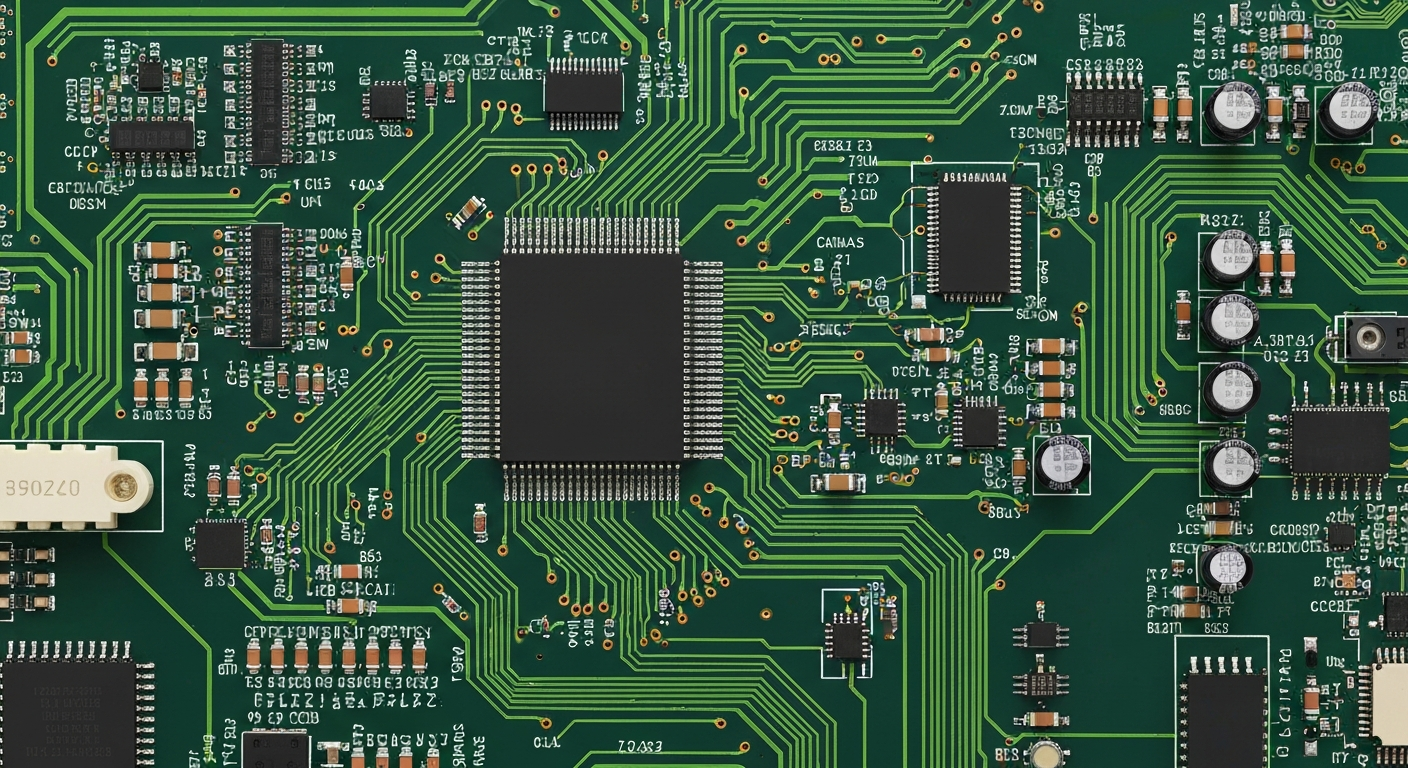
A clear understanding of board operation helps engineering teams build stable designs, optimize PCBA choices, and ensure smooth transitions from prototype to mass production.
What functions does a computer circuit board perform?
Unstable boards cause data errors, power failures, and unreliable system behavior.
A computer circuit board distributes power, processes data, manages communication, and supports mechanical structure.
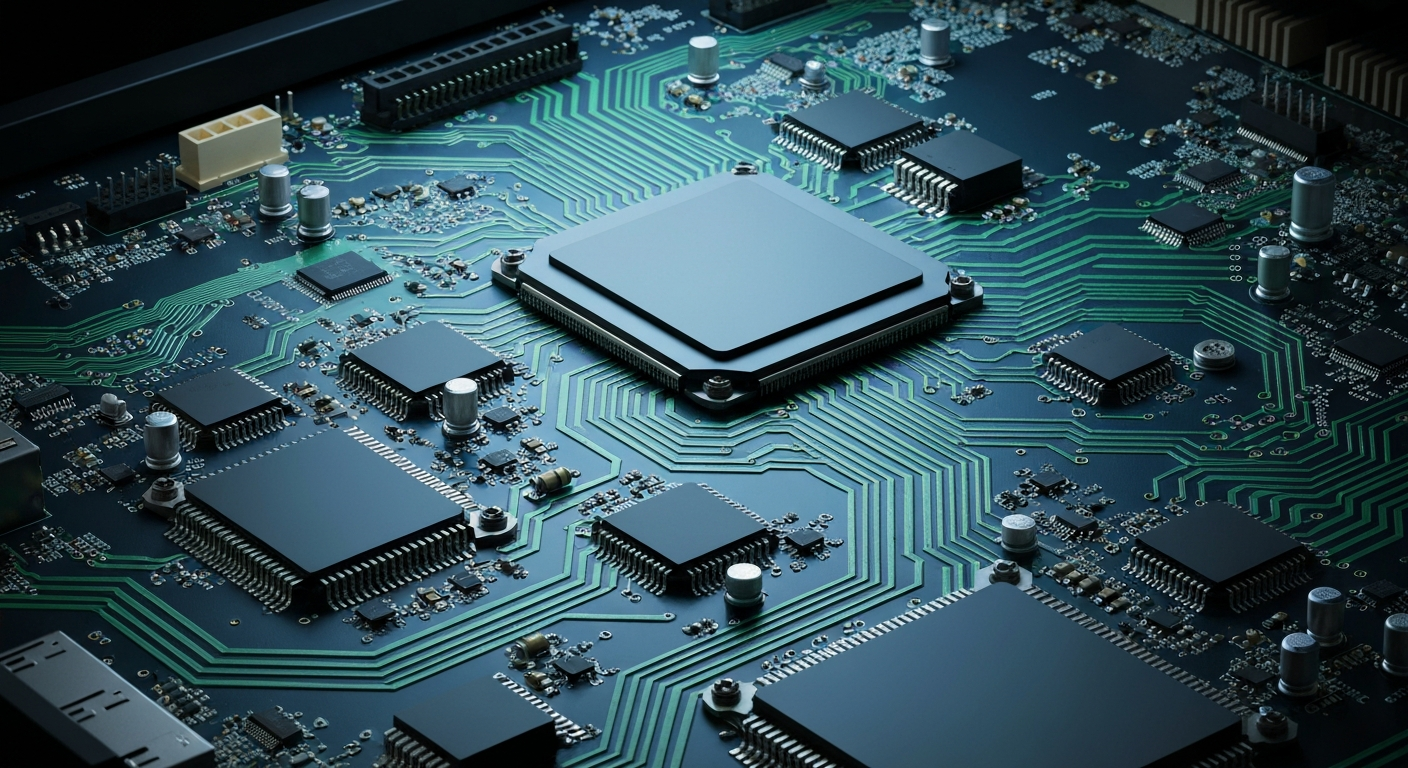
Power Routing, Data Control, and System Coordination
A computer board carries processors, memory chips, storage controllers, sensors, and interfaces. Copper layers route signals between subsystems with precise timing. Power circuits regulate voltages for CPUs, RAM, and peripherals. Mechanical structure supports connectors, cooling systems, and mounting points.
In B2B hardware development, incomplete stackups, poor grounding, or mismatched footprints often slow down prototypes. Engineering-focused factories review DFM issues, optimize trace paths, verify BOM compatibility, and align design choices with SMT assembly. This reduces redesign cycles and improves first-round manufacturing success.
How does a computer circuit board distribute power?
Power instability causes noise, brownouts, overheating, or random system resets.
The board uses regulators, power rails, filtering, and copper planes to supply stable electricity to each functional block.
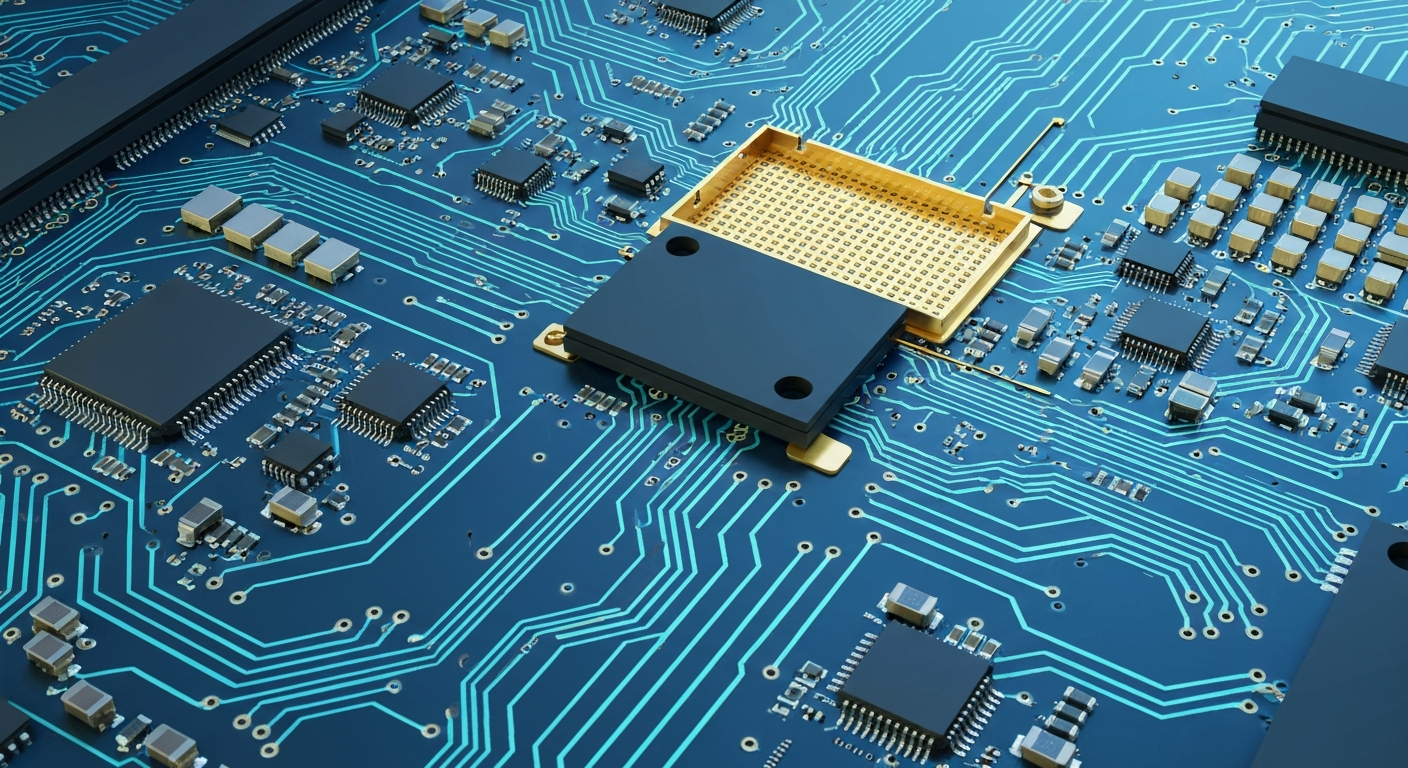
Voltage Regulation, Filtering, and Thermal Planning
Power enters the board through connectors or adapters. DC-DC converters produce multiple rails such as 12V, 5V, and 3.3V. Capacitors reduce ripple, inductors smooth current, and wide copper pours handle high load paths. Thermal pads and vias dissipate heat from regulators and MOSFETs.
Manufacturing teams observe common problems such as imbalanced copper, weak return paths, or insufficient decoupling. Engineering-based factories analyze power integrity, confirm regulator footprints, and adjust stencil thickness for clean solder joints. Integrated SMT assembly ensures consistent handling of high-density power components.
How does the board handle data processing and communication?
Incorrect routing or impedance often leads to signal distortion, high latency, or unreliable connectivity.
A computer circuit board uses high-speed traces, buses, and interface controllers to process and transfer data.
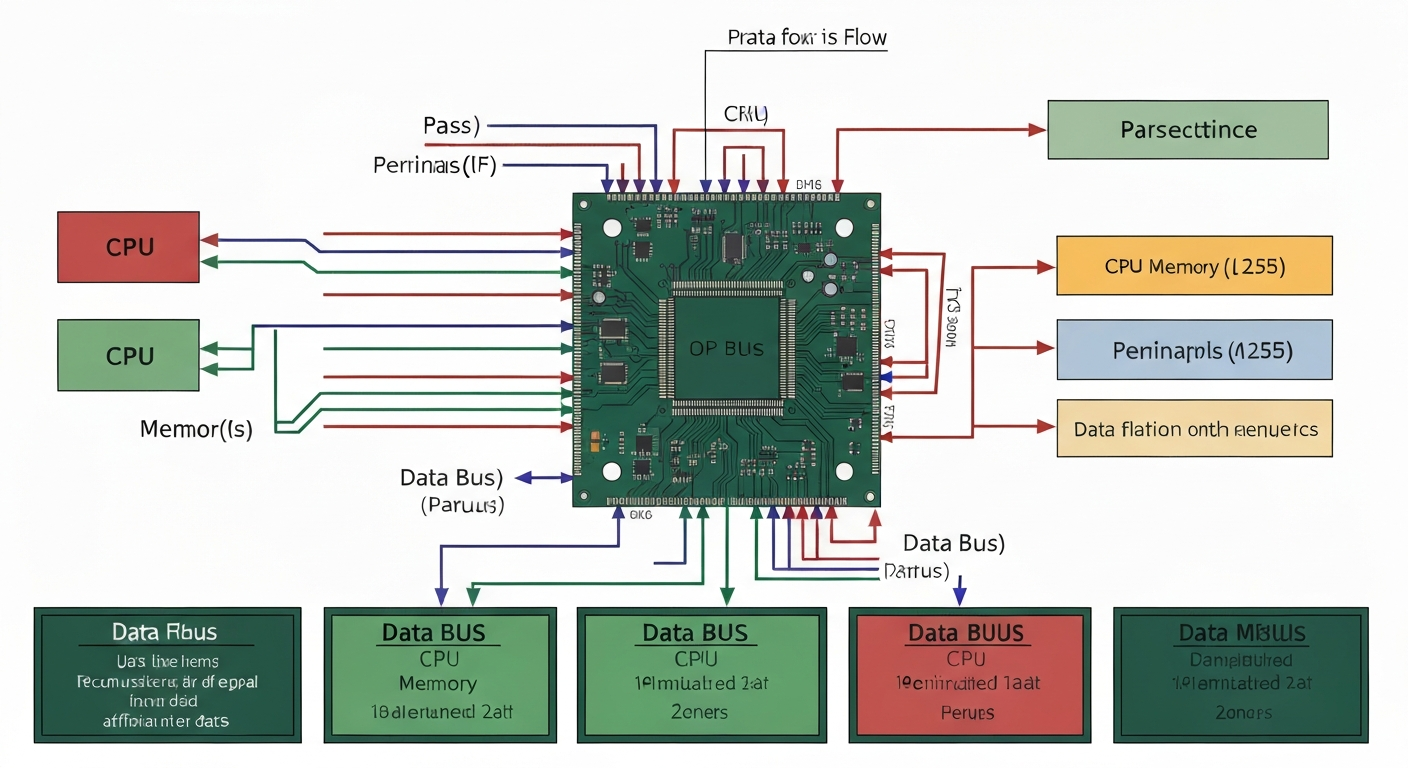
High-Speed Routing, Timing, and Controlled Impedance
CPUs, MCUs, and SoCs process digital signals that travel along controlled-impedance paths. Differential routing supports USB, HDMI, Ethernet, PCIe, and memory buses. Clock lines synchronize operations. Noise-sensitive analog and RF sections require shielding and isolation from switching circuits.
Factories combining CAM analysis, impedance control, and SMT assembly verify routing tolerances, via structures, and trace geometry. This prevents late-stage noise issues and ensures stable performance through prototype and mass production batches.
How do layers inside a computer circuit board interact?
Inadequate stackup design creates EMI problems, unstable grounding, or excessive heat.
Multi-layer PCBs separate power, ground, and signal layers for organized routing and stable electronics behavior.
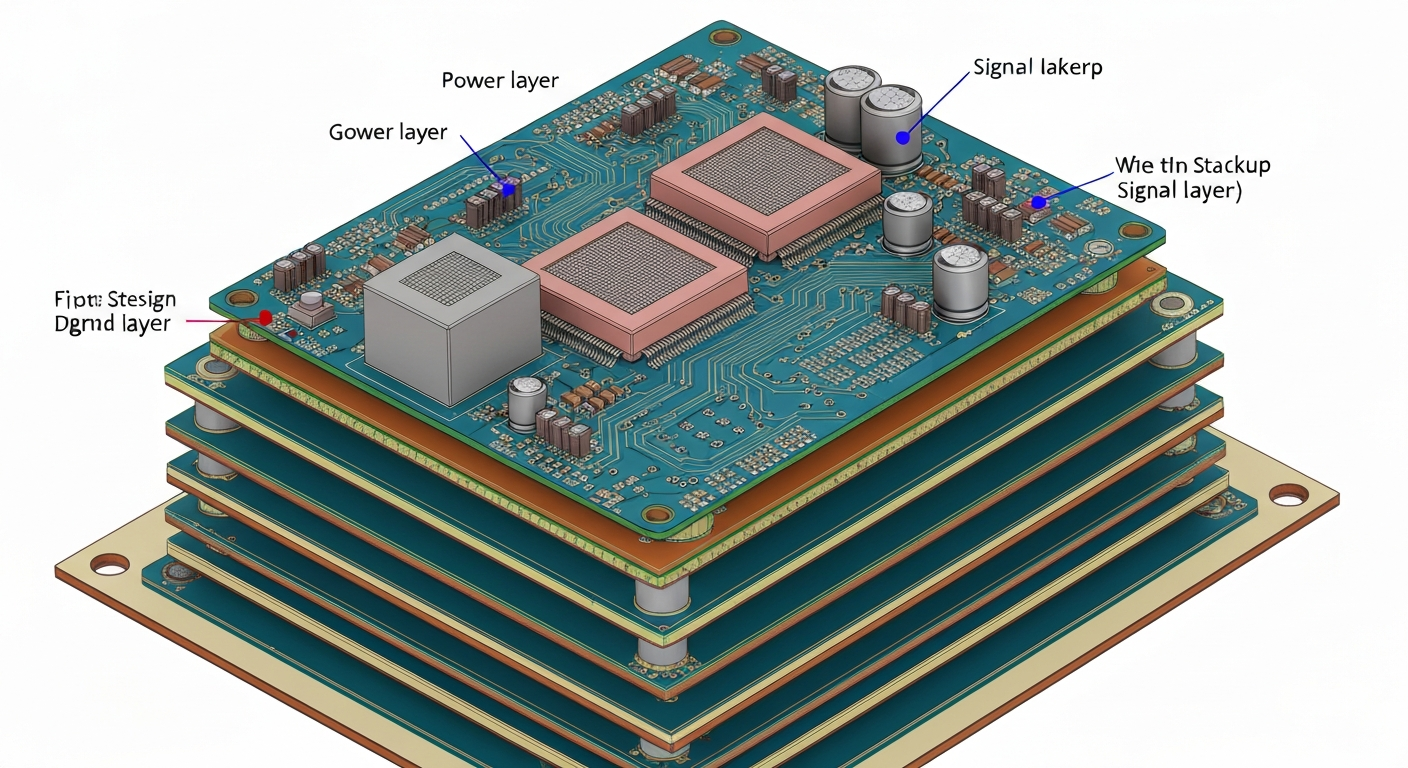
Signal Layers, Ground Planes, and Thermal Paths
Internal layers handle high-speed signals, shielding, and power routes. Ground planes stabilize return currents and reduce electromagnetic interference. Proper stackup supports thermal distribution and allows compact routing for dense components.
Manufacturing partners evaluate dielectric thickness, copper weight, and layer pairing. With PCB fabrication and SMT assembly under one workflow, stackup decisions remain consistent from Gerber review to final shipment—reducing risk of warpage, short circuits, or signal degradation.
How does a computer circuit board integrate peripherals and I/O?
Wrong connector placement or mechanical misalignment causes device failure during assembly or field use.
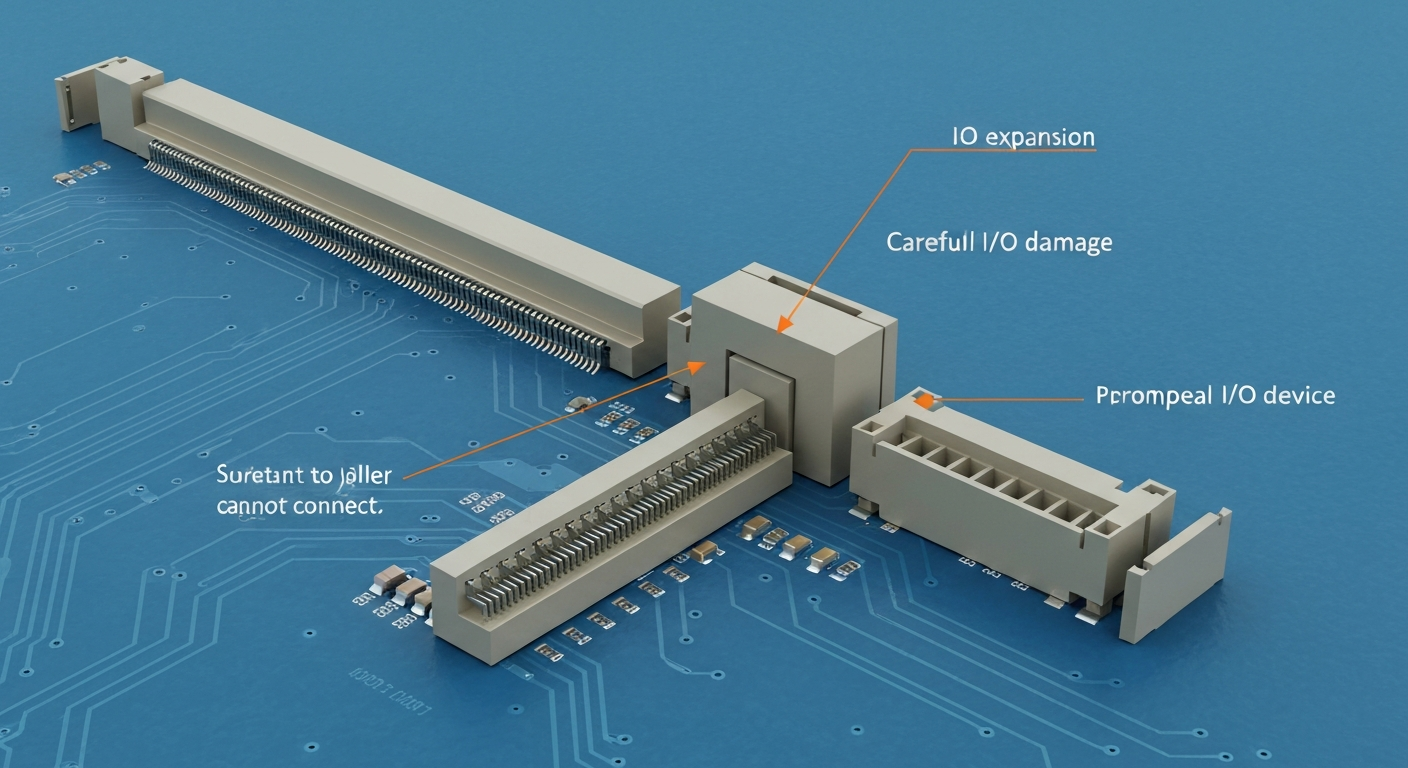
A computer circuit board connects storage, displays, sensors, and networking modules through standardized I/O interfaces.
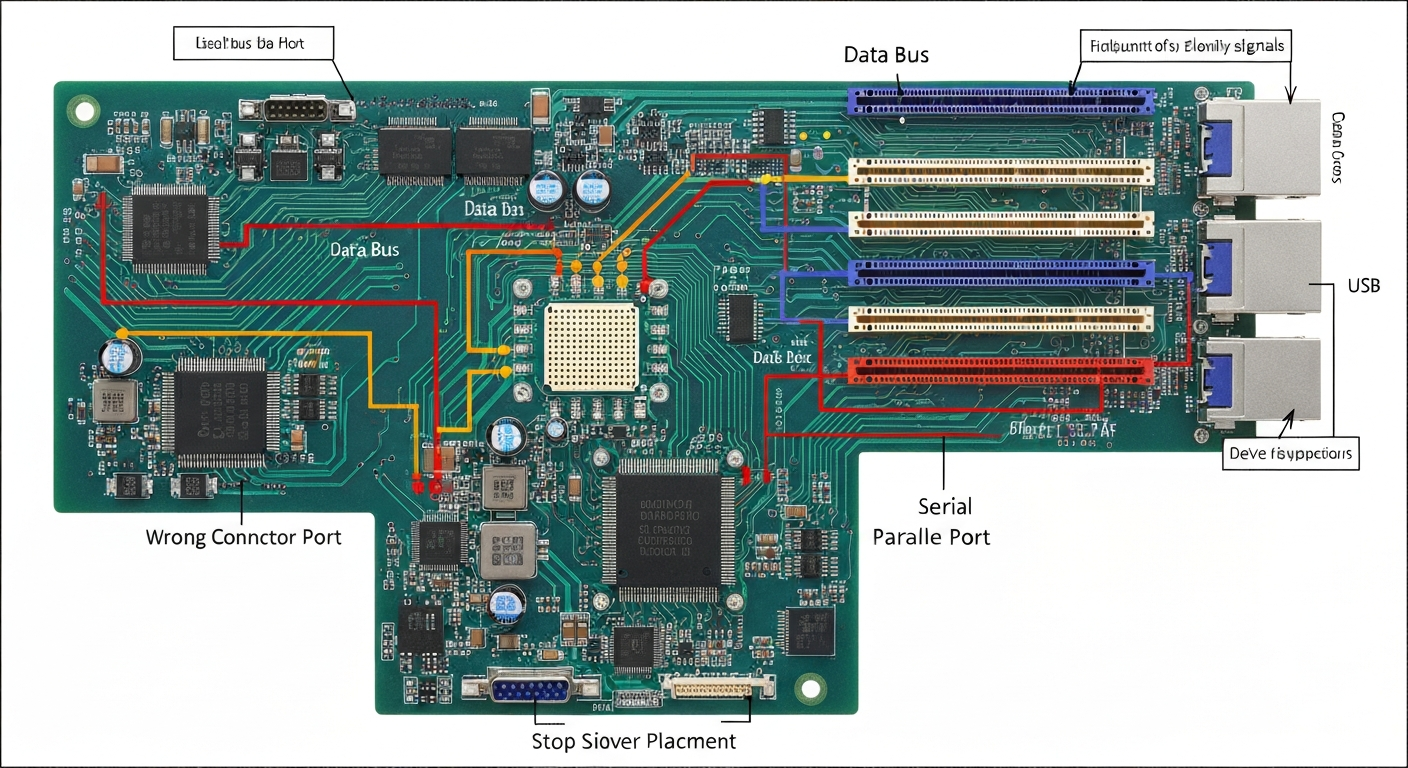
Communication Ports, Connectors, and Module Interfaces
USB ports, HDMI connectors, Ethernet jacks, camera interfaces, and storage sockets sit on the board edges. Embedded modules such as Wi-Fi, Bluetooth, or cellular units rely on tuned RF paths. Mechanical supports ensure proper insertion force and long-term durability.
Factories with OEM/ODM experience validate connector footprints, ensure correct hole tolerances, and align mechanical outlines with enclosure designs. AOI and functional testing confirm proper connection, polarity, and system-level performance before final assembly.
How do manufacturing and testing ensure board reliability?
Without correct testing, hidden defects affect entire systems and increase field failure risk.
PCBA production includes AOI, X-ray, ICT, and functional testing to validate performance.
Inspection Accuracy, Electrical Validation, and System-Level Testing
AOI checks chipset orientation, polarity, and solder joint quality. X-ray inspects BGA areas. ICT verifies continuity and component values. FCT loads firmware and simulates real operating conditions. Burn-in or environmental stress tests evaluate thermal and long-term reliability.
A factory combining PCB fabrication, SMT assembly, DIP soldering, and full testing frameworks ensures consistent results from prototype to mass production. Engineering teams provide BOM optimization, substitute alternatives, and maintain documentation for traceability.
Conclusion
A computer circuit board works by distributing power, routing data, coordinating subsystems, and supporting mechanical structures in a compact multi-layer design. Stable operation depends on controlled impedance, clean grounding, optimized thermal behavior, and reliable power architecture. When supported by integrated PCB fabrication, SMT assembly, BOM management, and complete testing, computer boards can achieve consistent quality from initial samples to full-scale production. This stability strengthens system performance, reduces failure rates, and supports long-term reliability for industrial, consumer, and IoT electronics worldwide.
