
A PCBA, or Printed Circuit Board Assembly, refers to a bare PCB that has been fully assembled with electronic components through soldering and inspection processes. In manufacturing, PCBA represents the complete electronic functional unit that can be directly integrated into an end product.
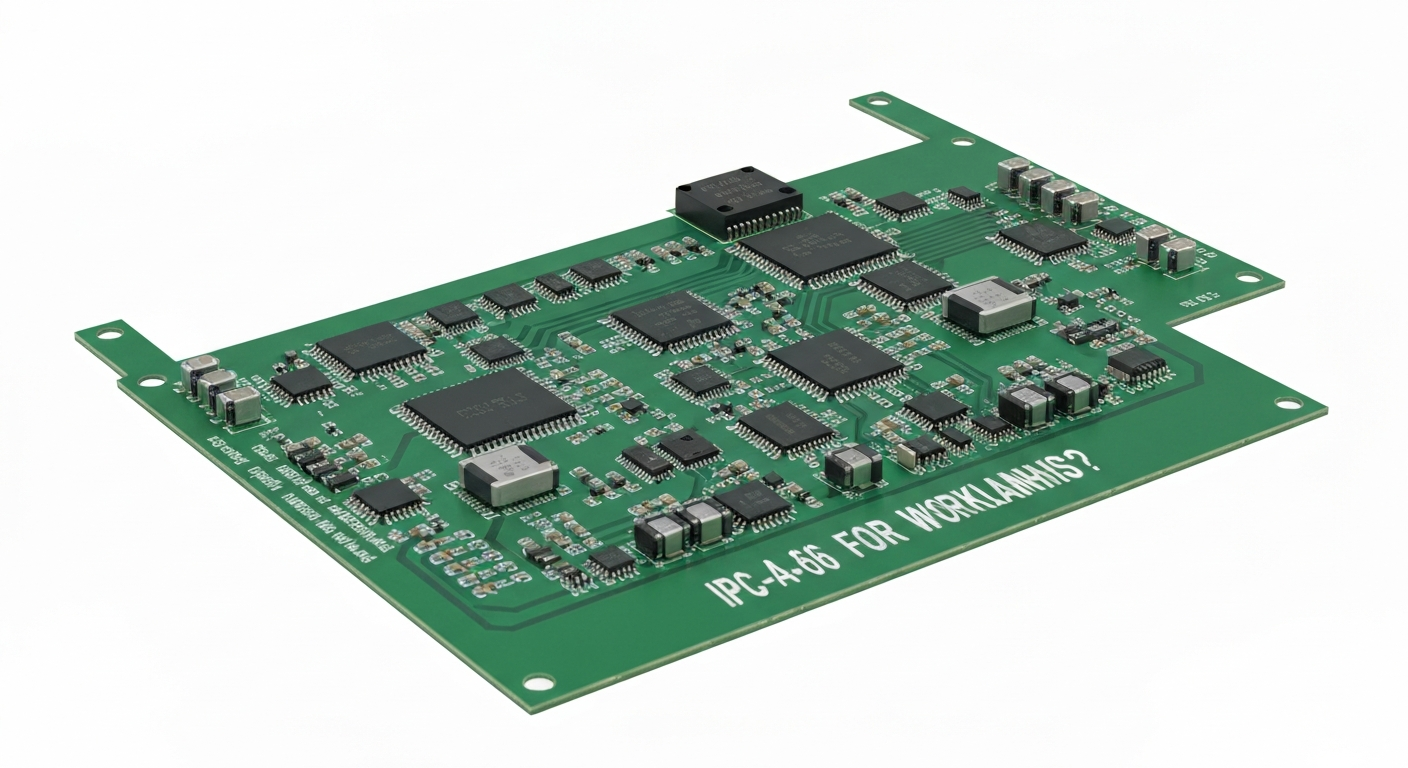
In modern electronics manufacturing, PCBA is the core carrier of electrical performance, logic control, and signal transmission. It connects design intent with physical products and determines stability, lifespan, and functional consistency. Understanding what PCBA means in manufacturing requires looking beyond the board itself and into materials, processes, workshops, and quality systems.
How does a PCB differ from a PCBA?
Many people confuse PCB and PCBA, but in manufacturing these two terms represent very different stages.
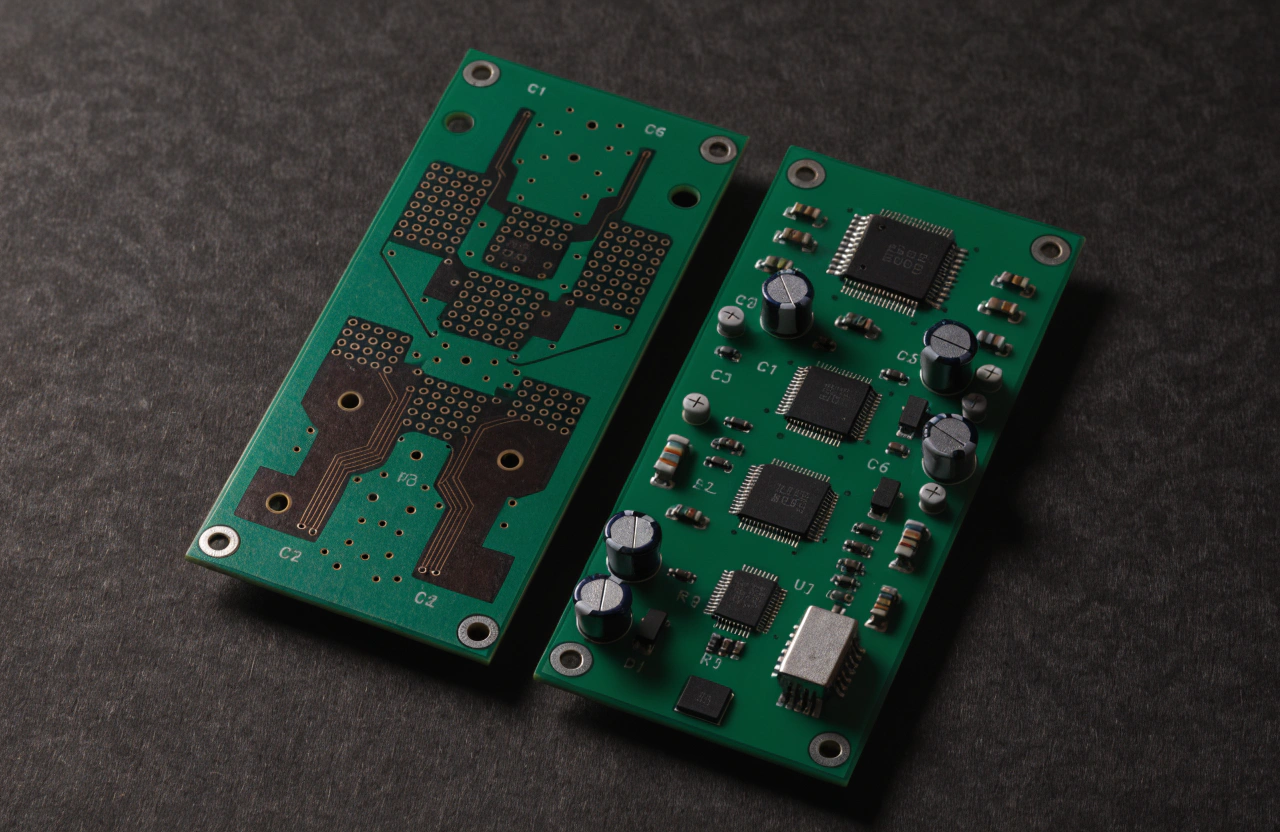
A PCB is an unassembled printed circuit board. It contains copper traces, pads, vias, and layers but no electronic components. A PCBA is created only after all required components are mounted and soldered onto the PCB.
From a manufacturing standpoint, the PCB is a structural foundation, while the PCBA is a functional system. The PCB determines routing, impedance, and mechanical strength. The PCBA determines electrical behavior, signal accuracy, and product reliability.
This distinction matters on the factory floor. PCB fabrication focuses on materials, lamination, drilling, and surface finish. PCBA manufacturing focuses on component placement, soldering quality, inspection, and testing. A manufacturer with clear separation and coordination between these stages can maintain higher consistency and reduce hidden defects.
What components are included in a PCBA?
A PCBA consists of a wide range of electronic components mounted onto the PCB according to the design files.
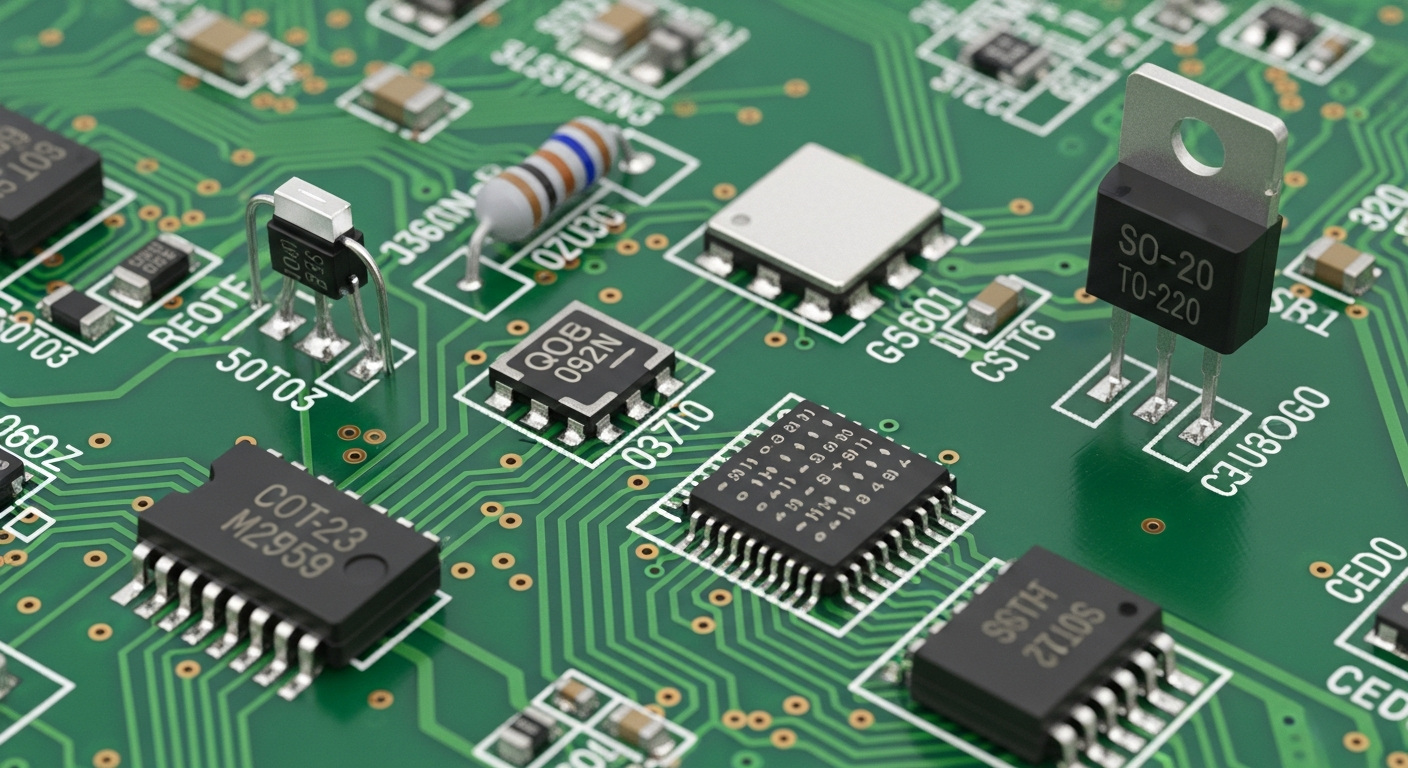
Common components include resistors, capacitors, inductors, diodes, transistors, ICs, connectors, and modules. These parts can be surface-mount devices or through-hole components depending on electrical and mechanical requirements.
In manufacturing, component selection directly affects assembly difficulty and yield. Fine-pitch ICs, BGAs, and small passive parts require high-precision SMT equipment and stable process control. Power components and connectors require strong solder joints and proper mechanical support.
Factories with mature component management systems verify packaging condition, moisture sensitivity levels, and traceability before assembly. This prevents failures caused by oxidation, moisture absorption, or incorrect substitutions. As a result, the final PCBA achieves both functional correctness and long-term reliability.
How is a PCBA manufactured on the factory floor?
PCBA manufacturing is a structured process that combines automation with controlled manual operations.
The process starts with engineering review and DFM analysis. After materials are prepared, solder paste is printed onto the PCB. Components are then placed by SMT machines and soldered through reflow. Through-hole components are assembled using wave or selective soldering.
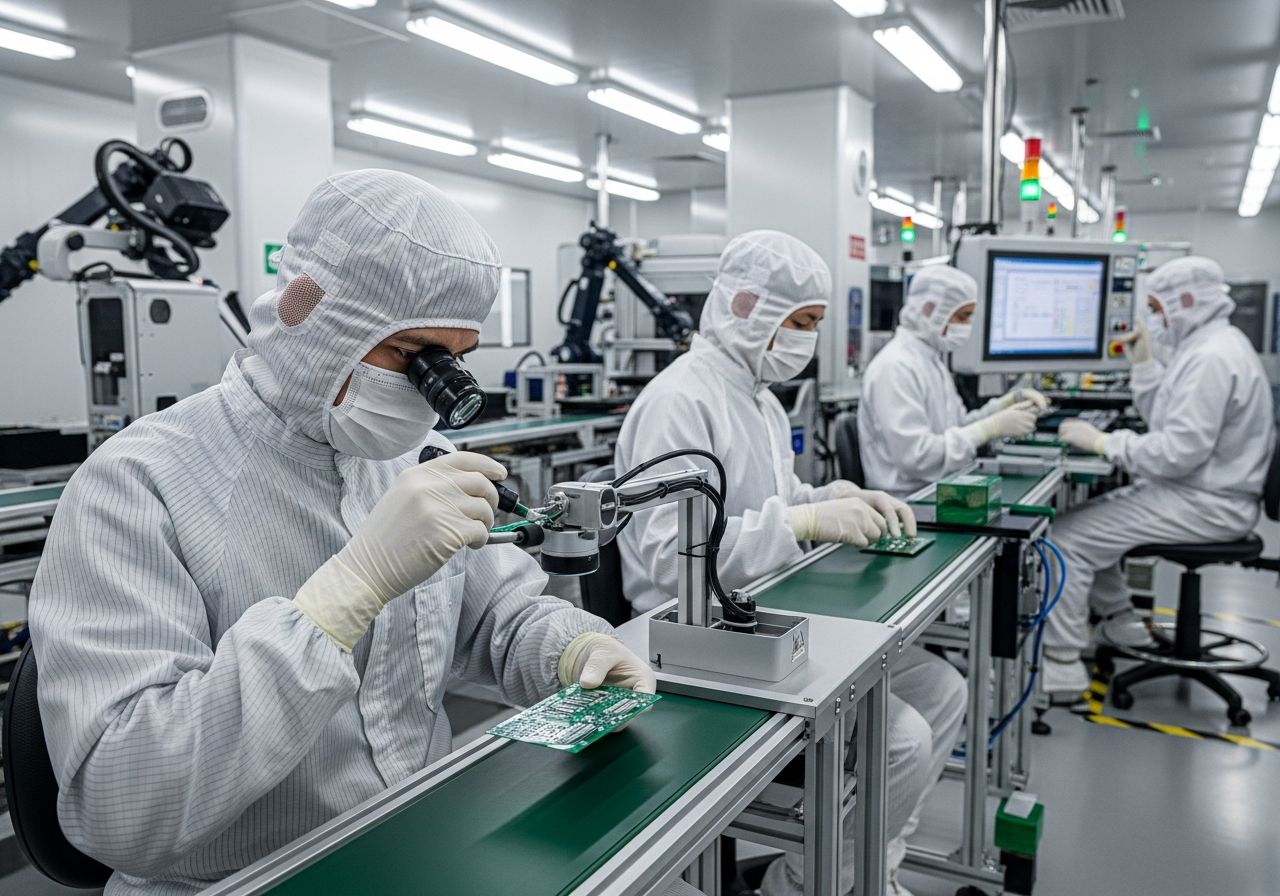
Each workshop area is designed for a specific task. SMT lines focus on speed and accuracy. DIP areas focus on solder fill and joint strength. Cleanliness, temperature, and humidity are controlled to protect sensitive components.
A manufacturing environment with integrated SMT, DIP, testing, and assembly areas reduces handling risk and improves process continuity. This layout allows fast feedback between operators, engineers, and quality teams, which is essential for complex or multi-layer boards.
Why is PCBA quality control so important?
PCBA quality directly determines product performance and field reliability.
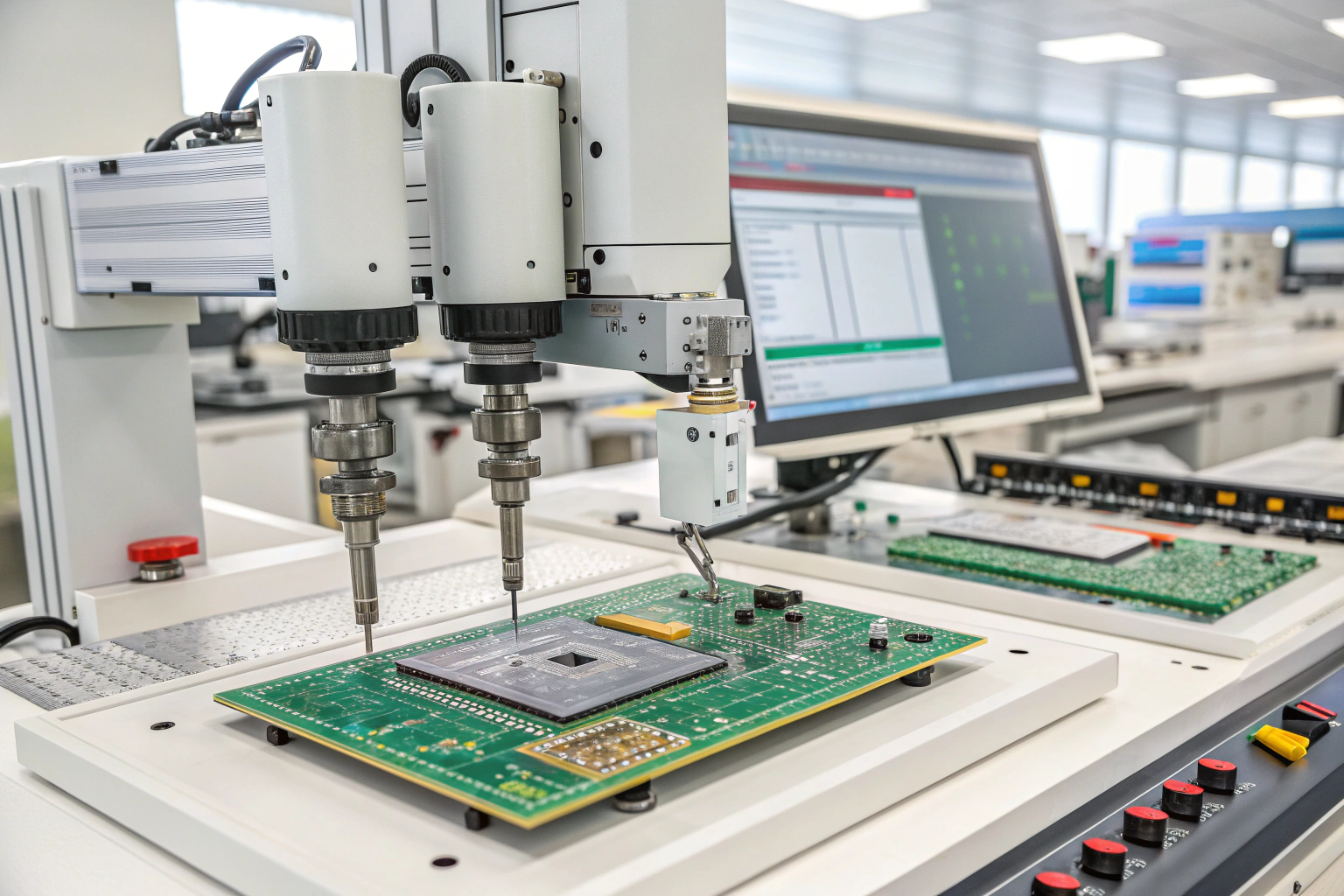
Defects such as cold solder joints, missing components, polarity errors, or micro-bridges may not be visible without proper inspection. Once the PCBA is installed into a finished product, repair costs increase significantly.
Manufacturing-grade PCBA quality control includes AOI inspection, X-ray inspection for hidden joints, and electrical testing. Functional testing verifies real operating behavior under defined conditions.
Factories with strong quality systems follow standardized inspection criteria and maintain production records for traceability. This approach ensures consistency between early builds and later production runs and supports long-term supply stability.
What industries rely on PCBA manufacturing?
PCBA manufacturing supports almost every electronics-driven industry.
Applications include smart home control boards, industrial automation systems, medical devices, energy control units, communication equipment, and consumer electronics. Each application places different demands on materials, processes, and testing depth.
Industrial and medical products often require higher reliability, longer lifecycle support, and stricter process documentation. Consumer electronics prioritize compact design and high-volume efficiency. A capable PCBA manufacturer adjusts process parameters, inspection levels, and workshop layout to meet these varied requirements.
How does in-house manufacturing capability affect PCBA performance?
In manufacturing, PCBA quality is closely linked to factory capability.
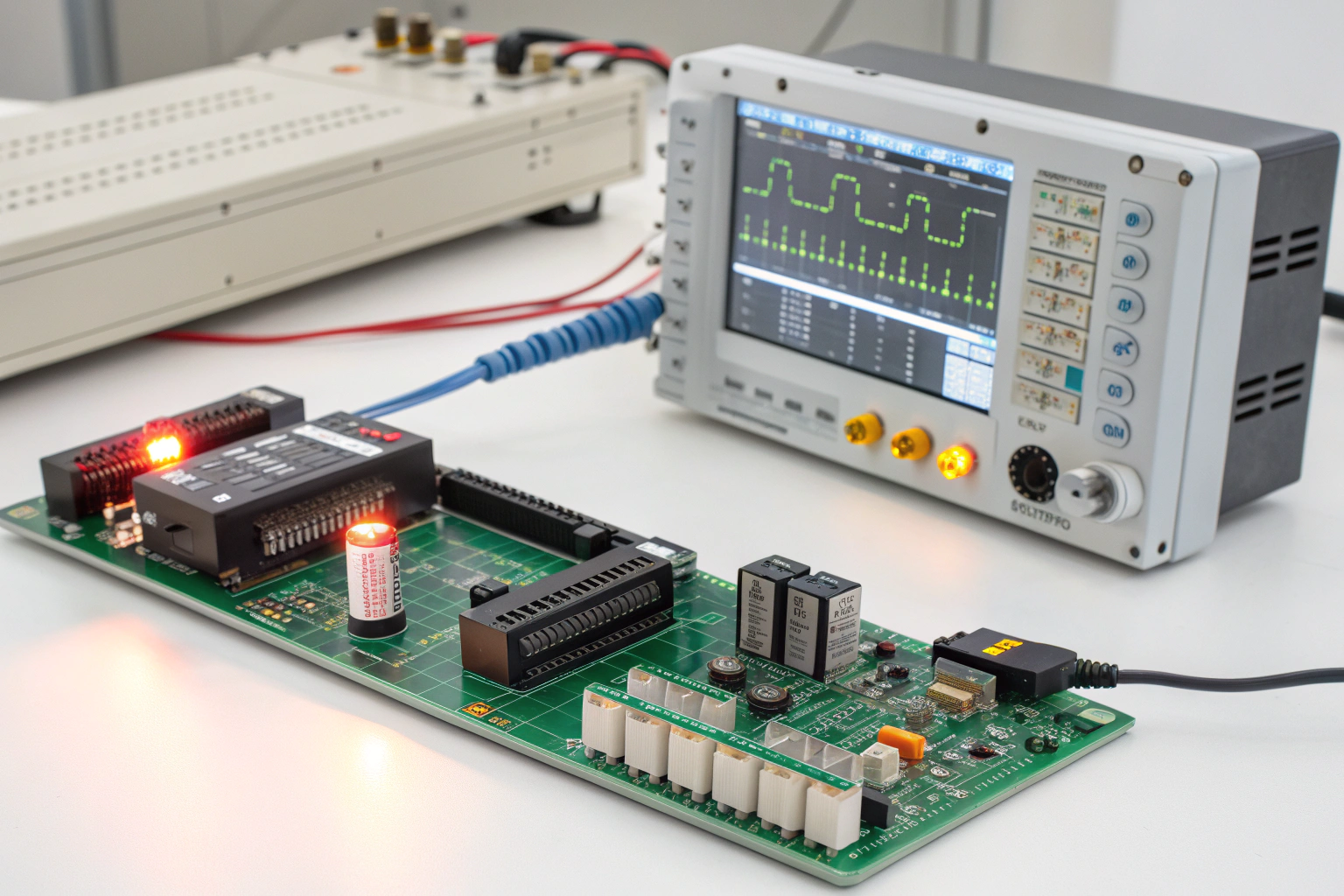
Facilities with in-house SMT lines, engineering teams, and testing resources can control every production variable. Process tuning, quick issue resolution, and continuous improvement become part of daily operations rather than external coordination tasks.
Direct control over stencil design, placement programming, reflow profiling, and test development improves first-pass yield and reduces rework. This level of integration also supports smooth transition from early builds to stable production.
Manufacturing-driven PCBA production emphasizes process ownership rather than simple assembly. This mindset results in stronger consistency, better documentation, and predictable delivery outcomes.
Conclusion
In manufacturing, a PCBA is far more than a populated circuit board. It is the physical realization of electronic design, process control, and quality discipline. From component selection to workshop layout, from soldering precision to functional testing, every step shapes the final result. A well-manufactured PCBA delivers stable performance, long service life, and confidence for downstream product integration.
