
Surface Mount Technology (SMT) is widely adopted in modern electronics manufacturing, but it also introduces several technical and production-related limitations. These disadvantages mainly relate to process sensitivity, equipment dependency, rework difficulty, and manufacturing control requirements.
From a manufacturing standpoint, SMT is not a low-risk or low-effort process. While it enables high-density and high-efficiency assembly, it demands strict discipline across workshops, equipment, materials, and engineering control.
Why is SMT highly sensitive to process variation?
One of the main drawbacks of SMT is its narrow process window.
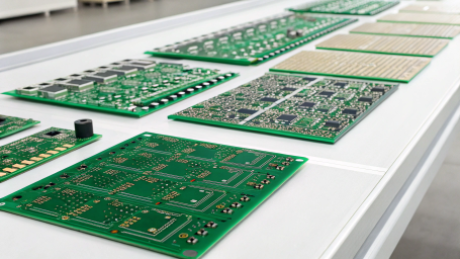
SMT relies on precise solder paste printing, accurate component placement, and stable reflow temperature profiles. Small deviations in stencil thickness, paste viscosity, or temperature ramp rates can lead to defects such as solder bridging, tombstoning, voids, or cold joints.
In factory production, this sensitivity increases the need for continuous monitoring and frequent process tuning. Without stable control, defect rates can rise quickly, especially for fine-pitch components and dense layouts.
Why is SMT rework and repair difficult?
SMT components are small, densely packed, and often heat-sensitive.
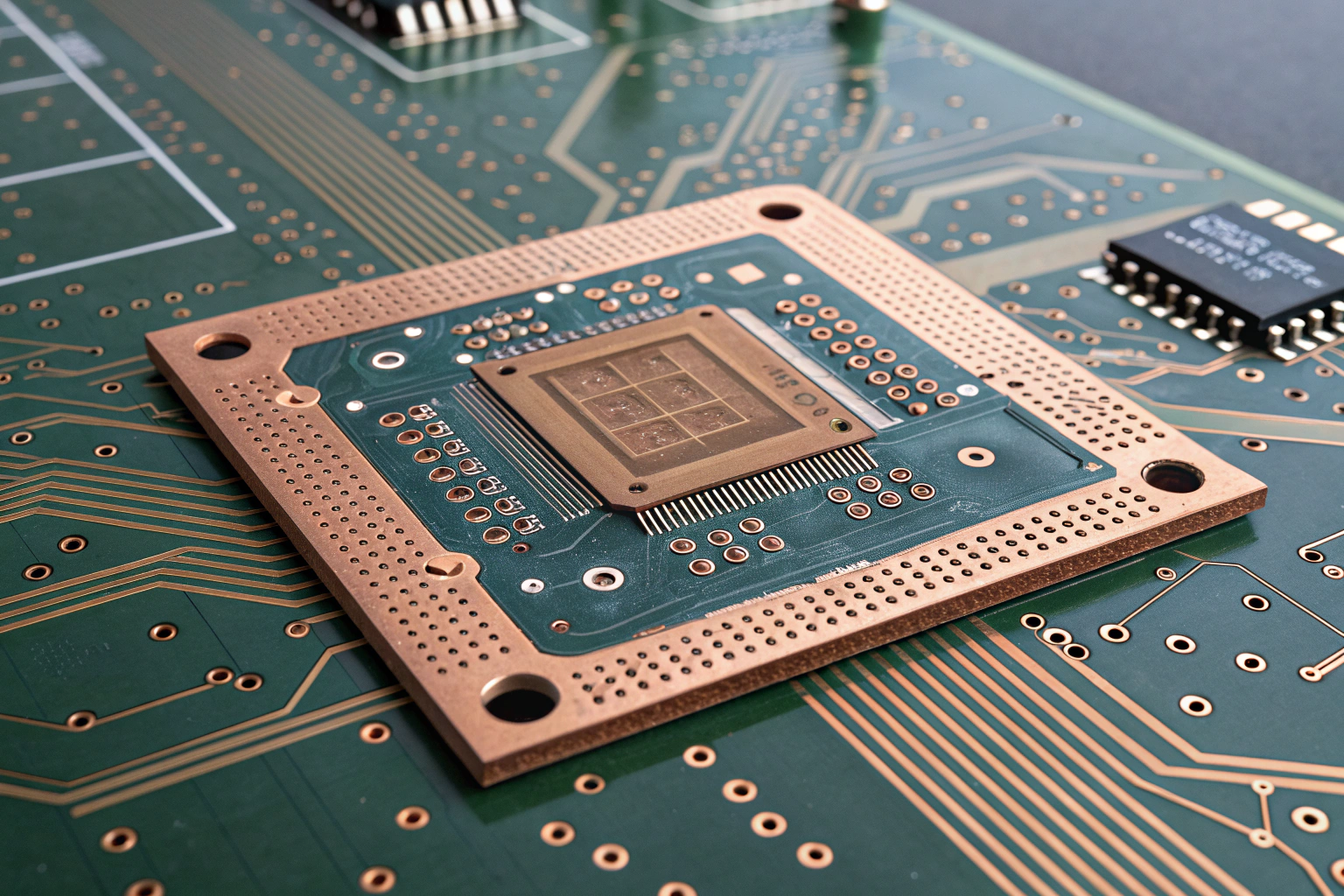
Once defects occur, rework becomes challenging. Fine-pitch ICs, QFNs, and BGAs require specialized rework stations, precise temperature control, and skilled operators. Improper rework can easily damage pads, components, or nearby parts.
From a manufacturing efficiency perspective, SMT rework is time-consuming and costly. High rework rates directly reduce throughput and increase labor dependency, which offsets some of SMT’s automation benefits.
How does SMT increase equipment and capital requirements?
SMT assembly requires significant investment in specialized equipment.
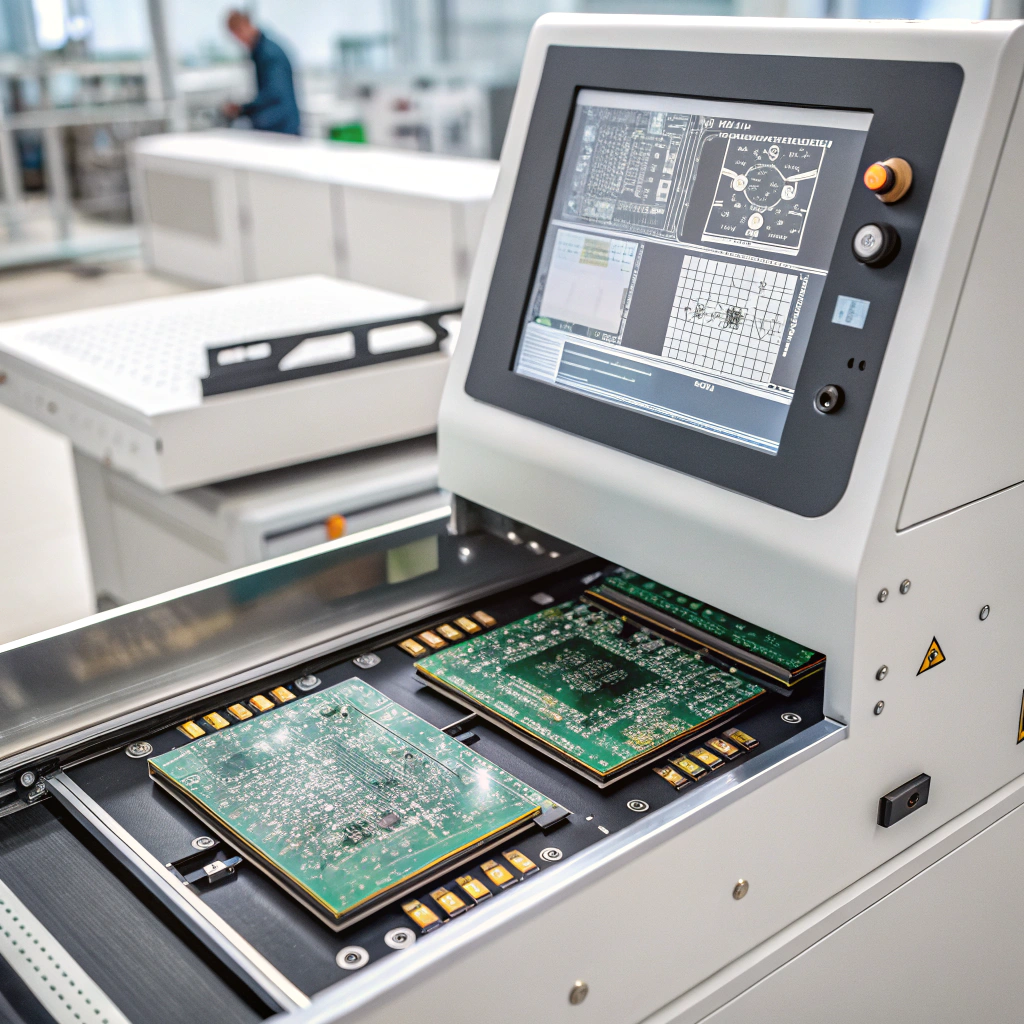
A complete SMT line includes solder paste printers, pick-and-place machines, reflow ovens, AOI systems, and sometimes SPI and X-ray inspection. These machines require regular calibration, maintenance, and software support.
For factories, this creates higher fixed costs and technical dependency. Equipment downtime or programming errors can affect large production volumes at once, increasing operational risk.
Why does SMT demand stricter material management?
SMT materials are highly sensitive to environmental conditions.
Solder paste has a limited shelf life and strict storage requirements. Many surface-mount components are moisture-sensitive and must be stored in dry cabinets and baked before use if exposure limits are exceeded.
Poor material handling can result in defects such as solder balling, popcorning, or unreliable joints. This makes material control and traceability a critical burden in SMT workshops.
What mechanical limitations does SMT have?
Surface-mount components are attached only by solder joints, without leads passing through the board.
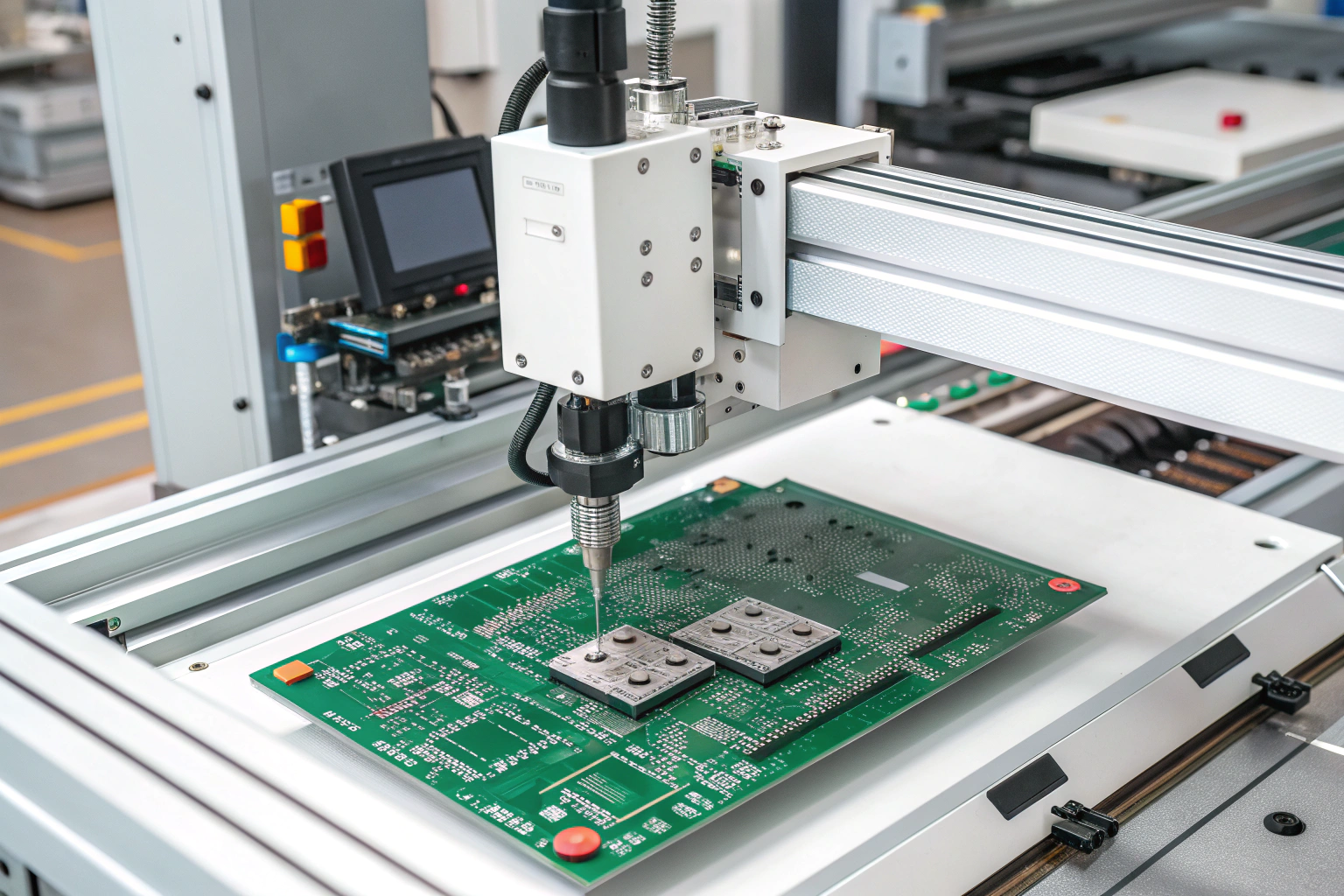
This makes SMT components less suitable for applications involving high mechanical stress, strong vibration, or frequent connector insertion. Large connectors, transformers, and heavy components often require through-hole reinforcement.
As a result, many products must use mixed assembly processes, increasing production complexity and coordination between SMT and through-hole workshops.
Why does SMT increase inspection complexity?
SMT defects are often small and not visible to the naked eye.
Fine-pitch solder joints, hidden pads, and dense routing make visual inspection insufficient. Automated Optical Inspection and sometimes X-ray inspection become mandatory.
These inspection systems add cost, require programming, and can generate false positives that need manual verification. Managing inspection data and feedback loops adds to production overhead.
How do SMT cons affect overall manufacturing stability?
Because SMT defects can propagate quickly, early-stage errors have large consequences.
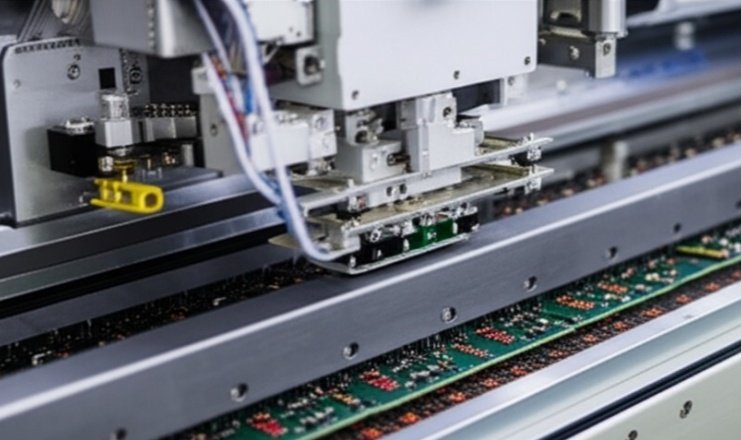
A misaligned stencil or incorrect placement program can affect hundreds or thousands of boards before detection. This amplifies scrap risk and increases corrective action workload.
Stable SMT production depends heavily on experienced process engineers, disciplined operating procedures, and strong quality systems. Without these foundations, SMT lines can become a major source of instability.
Conclusion
The main cons of SMT include high process sensitivity, difficult rework, heavy equipment dependence, strict material control requirements, limited mechanical strength, and increased inspection complexity. These challenges raise the technical threshold for stable production.
In manufacturing environments, SMT success depends on disciplined workshop management, experienced engineering support, and continuous process control. When these conditions are not fully met, the disadvantages of SMT can outweigh its efficiency and miniaturization benefits, leading to higher cost, increased risk, and inconsistent quality.
