
Semiconductor detectors are sensing devices that convert radiation or particles into electrical signals using semiconductor materials such as silicon or germanium. They are widely used in nuclear physics, medical imaging, industrial inspection, and scientific instrumentation due to their high precision and fast response.
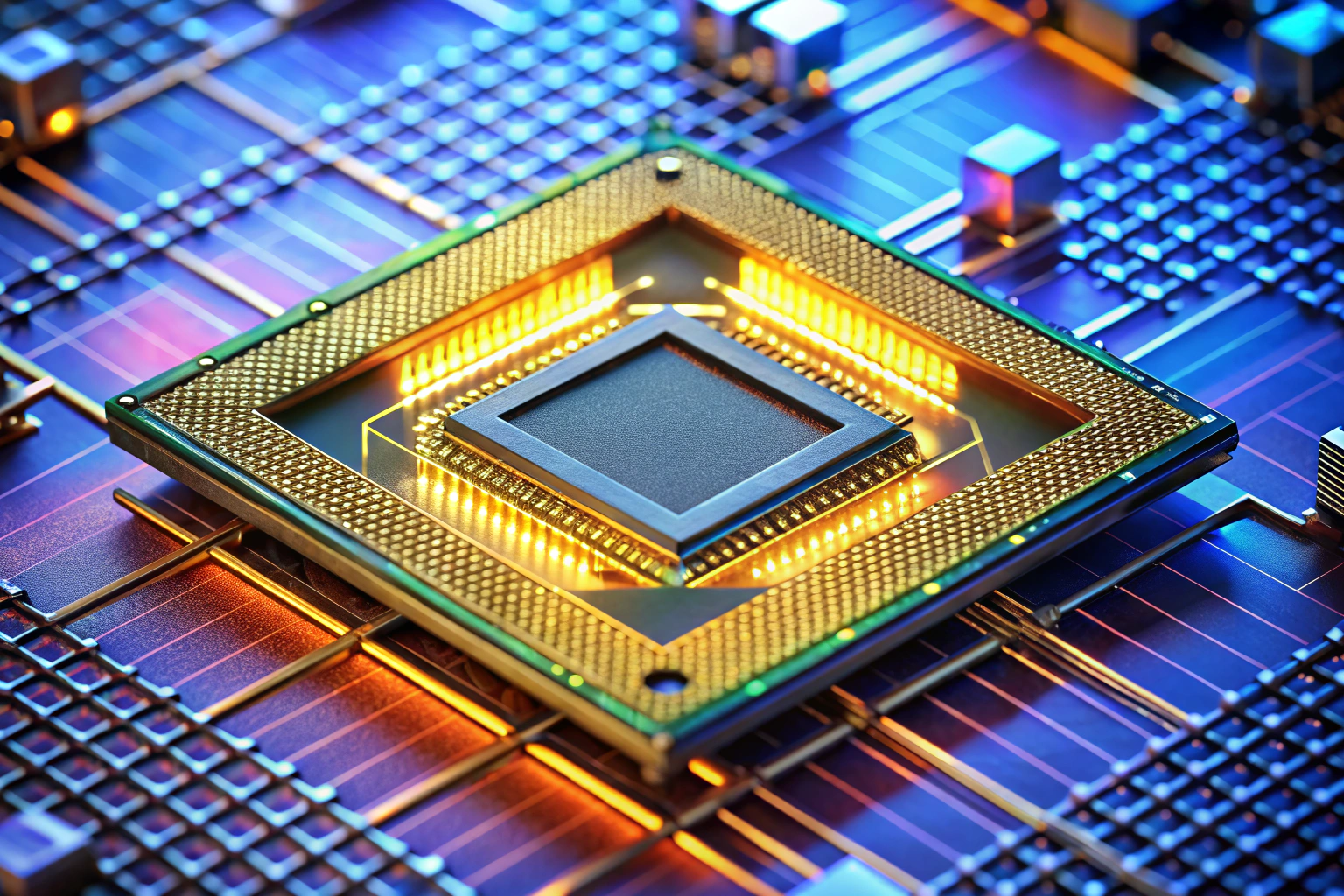
From a manufacturing and application perspective, semiconductor detectors offer excellent performance but also introduce strict requirements for materials, processing, and operating conditions. Their advantages and disadvantages must be evaluated together to determine suitability for specific use cases.
What are the main advantages of semiconductor detectors?
The most significant advantage of semiconductor detectors is their high energy resolution.
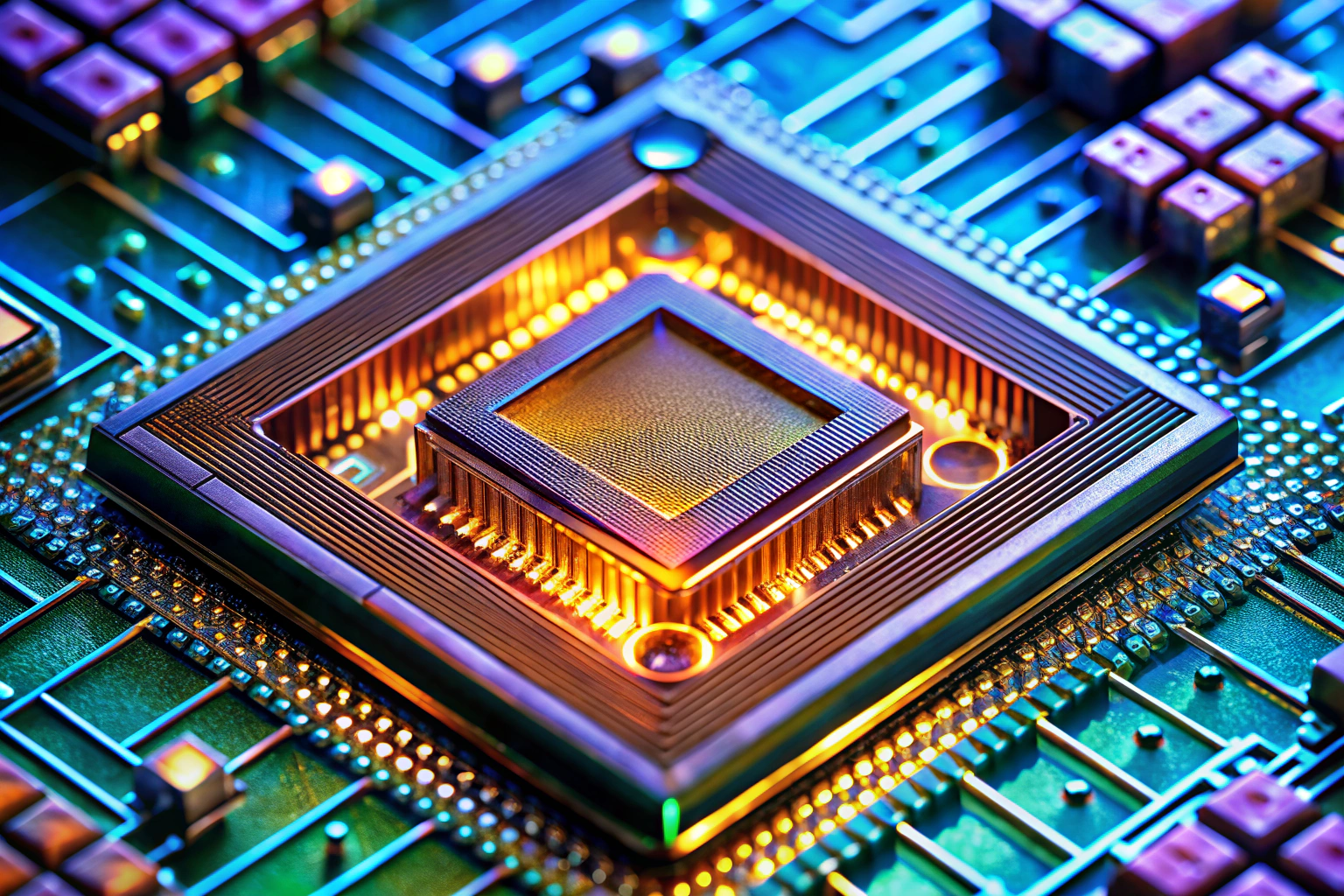
Because semiconductors require much less energy to generate electron–hole pairs compared to gas or scintillation detectors, they can measure radiation energy with high accuracy. This makes them ideal for spectroscopy and precise signal analysis.
Semiconductor detectors also provide fast response time. Charge carriers move quickly within the semiconductor material, allowing rapid signal collection. This supports high counting rates and real-time detection.
In addition, these detectors are compact and lightweight. Their small size enables integration into portable instruments, embedded systems, and densely packed electronic modules. This structural advantage supports miniaturized system design.
How do semiconductor detectors improve signal quality?
Semiconductor detectors generate electrical signals directly, without the need for intermediate light conversion.
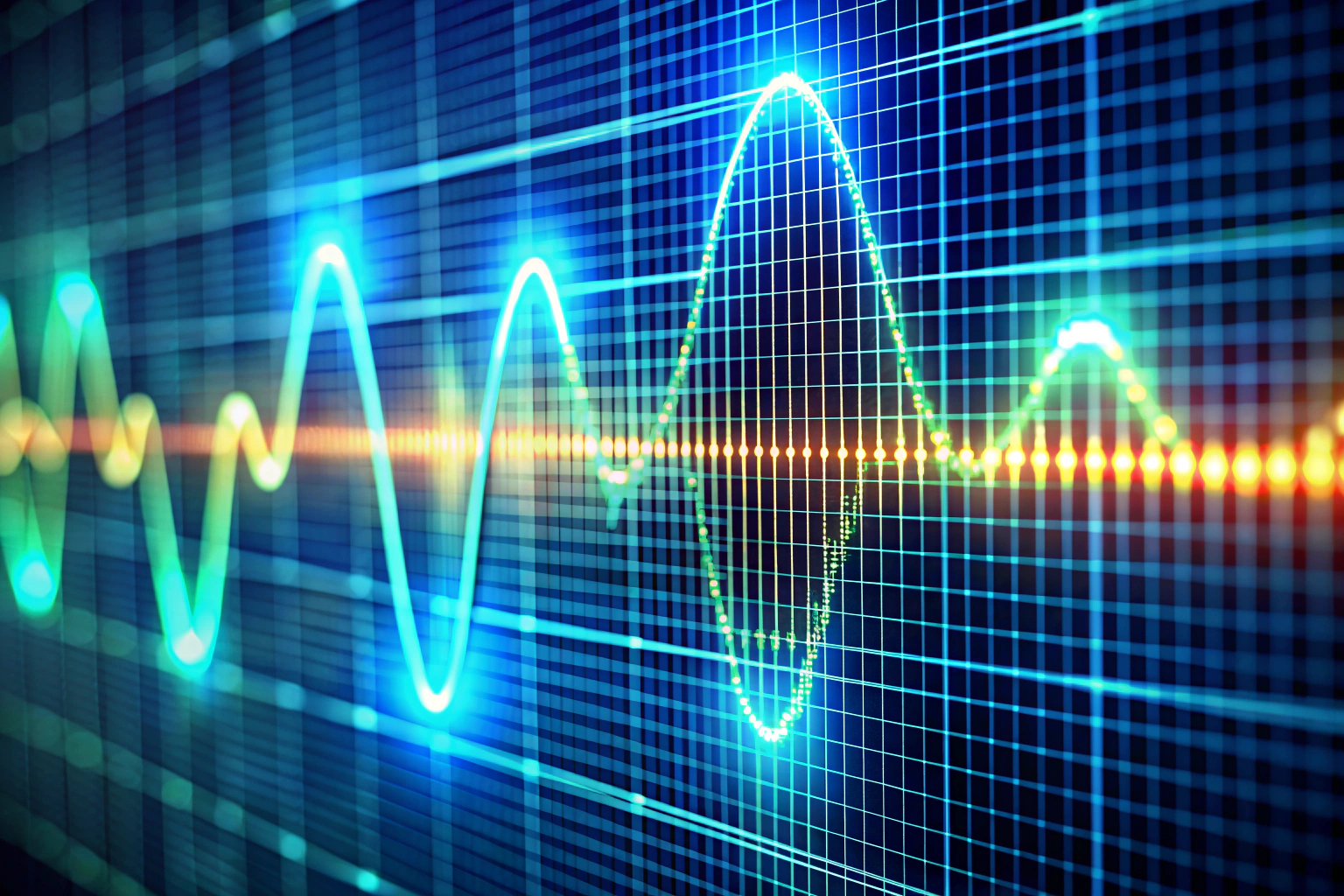
This direct conversion results in low signal noise and improved signal-to-noise ratio. The output signal is more stable and easier to process using standard electronic circuits.
Because of this, semiconductor detectors are well suited for applications that require precise measurement, such as particle identification, energy discrimination, and detailed imaging.
From a system integration standpoint, the clean electrical output simplifies downstream amplification, filtering, and digital processing.
What materials are commonly used in semiconductor detectors?
Silicon is the most widely used material for semiconductor detectors due to its maturity, availability, and stable electrical properties. Germanium is used when higher energy resolution is required, especially for gamma-ray detection.
Other compound semiconductors may be used for specialized applications, but they often increase cost and manufacturing complexity.
Material purity and crystal quality are critical. Even small defects can affect charge collection efficiency and measurement accuracy, increasing production difficulty.
What are the main disadvantages of semiconductor detectors?
One major disadvantage is sensitivity to temperature.

Semiconductor detectors generate thermal noise as temperature rises. Some types, especially germanium detectors, require cooling systems to maintain performance. This increases system complexity and operating cost.
Another limitation is radiation damage. Prolonged exposure to high radiation levels can degrade semiconductor crystal structure, reducing sensitivity and lifespan. This restricts use in extremely harsh radiation environments.
Why are semiconductor detectors expensive to manufacture?
Manufacturing semiconductor detectors requires high-purity materials and precise fabrication processes.
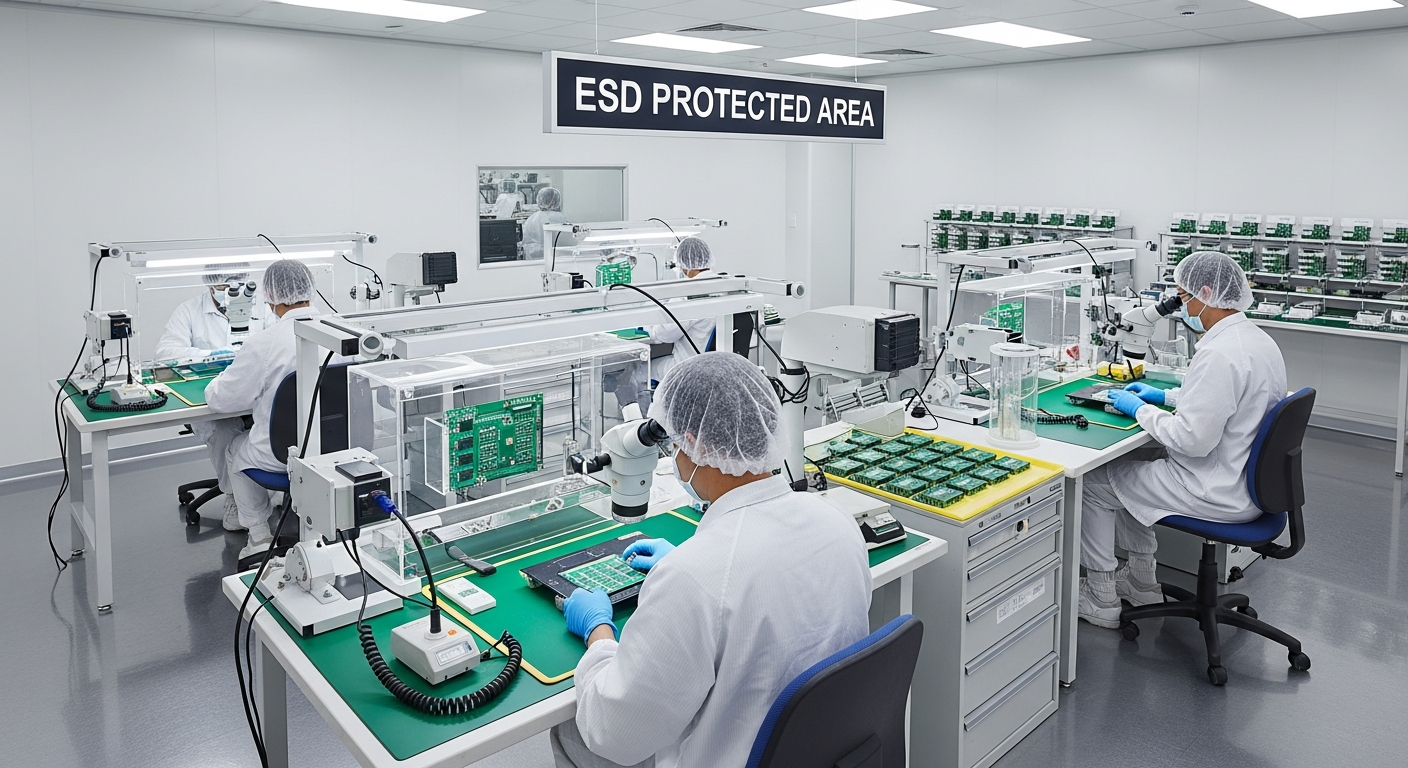
Crystal growth, wafer processing, doping control, and surface passivation must be tightly controlled. Yield loss can occur if contamination or defects are introduced at any stage.
Testing and calibration are also more demanding compared to simpler detectors. These factors contribute to higher production cost and longer development cycles.
How do operating conditions limit semiconductor detectors?
Semiconductor detectors are sensitive to environmental factors such as temperature, humidity, and mechanical stress.
They require stable bias voltage and protection from electrical noise. Improper handling or unstable power conditions can lead to signal drift or permanent damage.
These requirements limit their use in uncontrolled or extreme environments unless additional protective systems are implemented.
In which applications do the advantages outweigh the disadvantages?
Despite their limitations, semiconductor detectors are preferred when precision, speed, and compact size are critical.
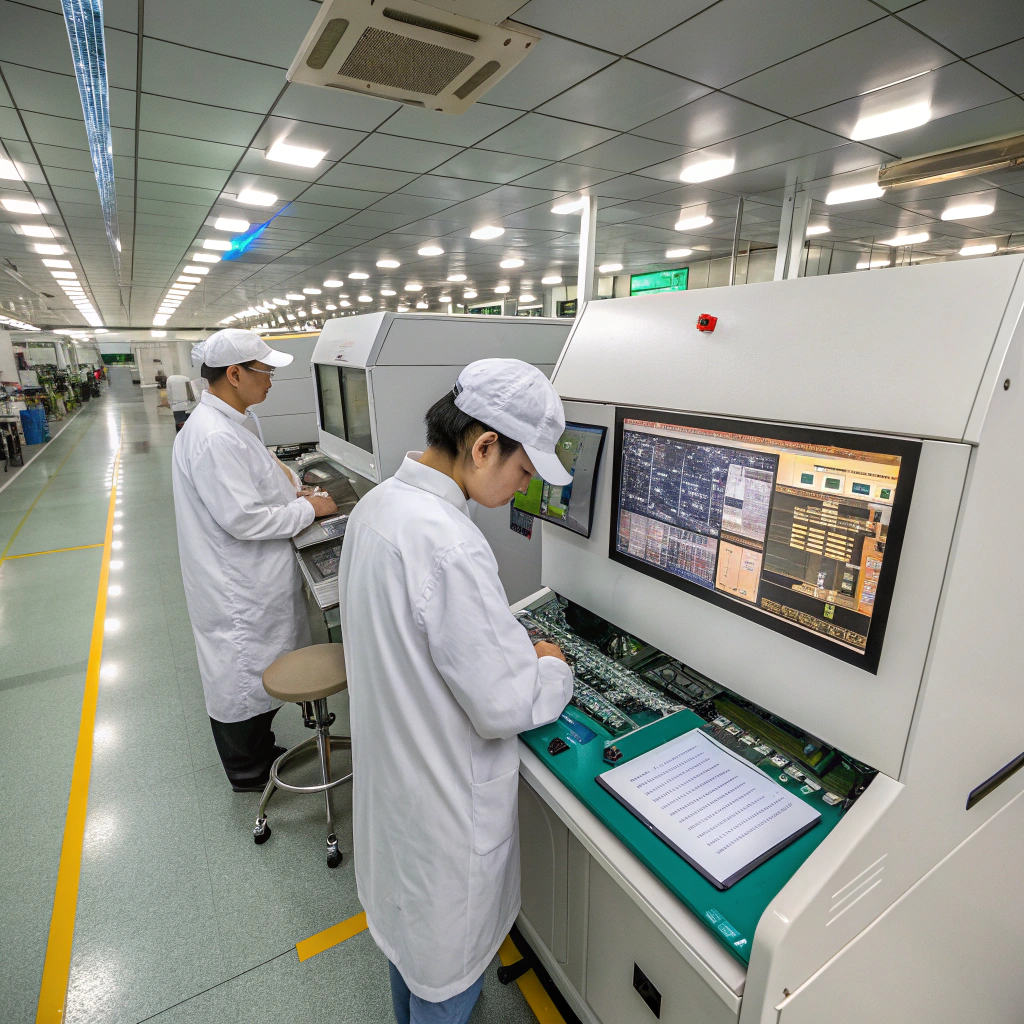
They are widely used in medical imaging equipment, radiation monitoring systems, industrial inspection devices, scientific research instruments, and advanced analytical tools.
In these fields, the performance benefits justify higher cost and stricter operating requirements.
Conclusion
Semiconductor detectors offer clear advantages, including high energy resolution, fast response, low noise, and compact size. These strengths make them essential for precision detection and measurement applications.
At the same time, they face disadvantages such as temperature sensitivity, radiation damage risk, complex manufacturing, and higher cost. Successful use of semiconductor detectors depends on controlled operating conditions, careful material selection, and disciplined production processes. When these factors are properly managed, semiconductor detectors deliver unmatched accuracy and reliability over their operational lifespan.
