
The main advantage of using surface mount components is high circuit density, which enables smaller, lighter, and more functional electronic products. Surface mount components can be placed directly on the PCB surface, allowing more components to fit into a limited space.
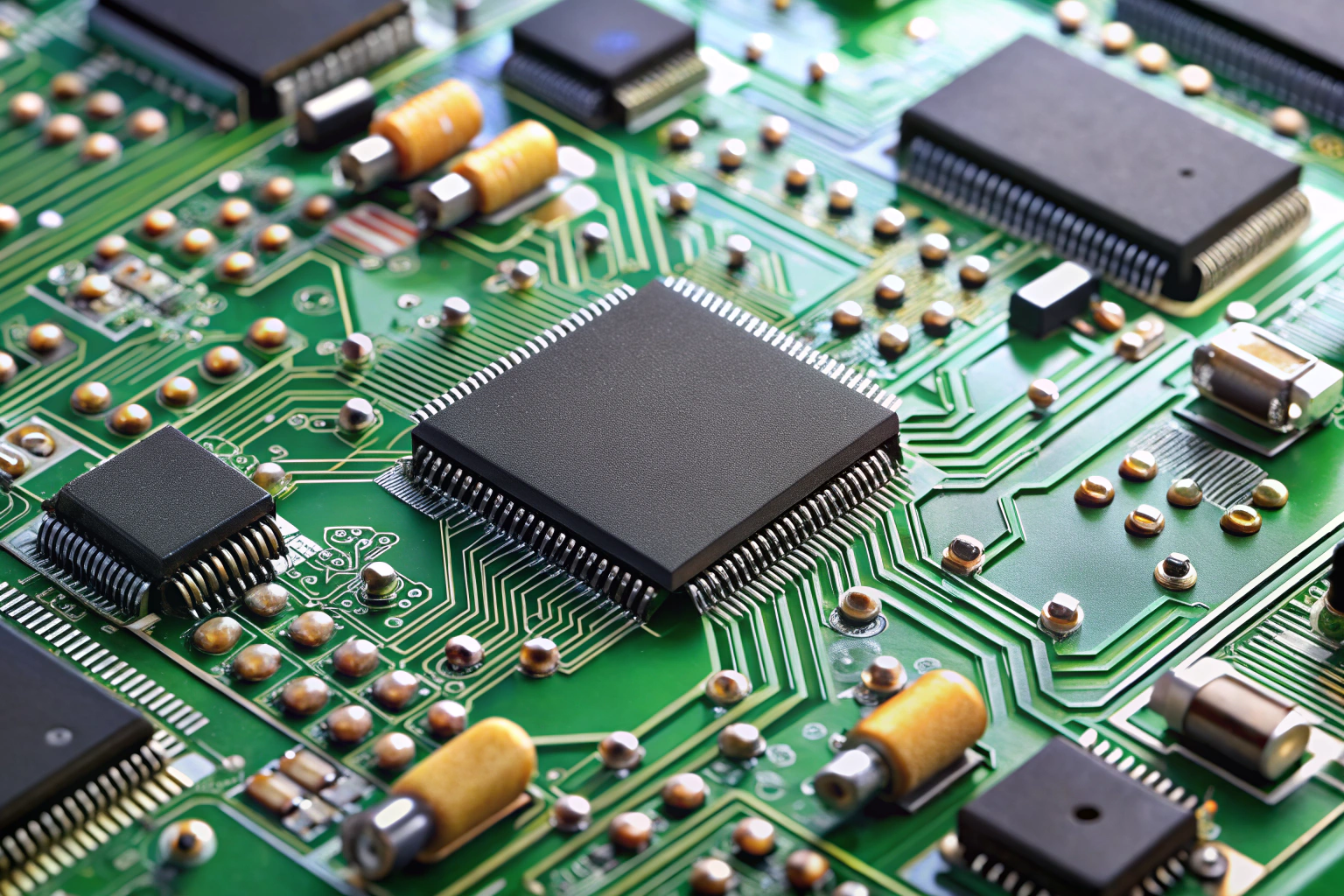
In modern electronics manufacturing, this advantage has reshaped product design, factory processes, and overall production efficiency. It is the core reason SMT has become the dominant assembly technology.
Why do surface mount components support higher circuit density?
Surface mount components are significantly smaller than traditional through-hole parts and do not require drilled leads passing through the board.
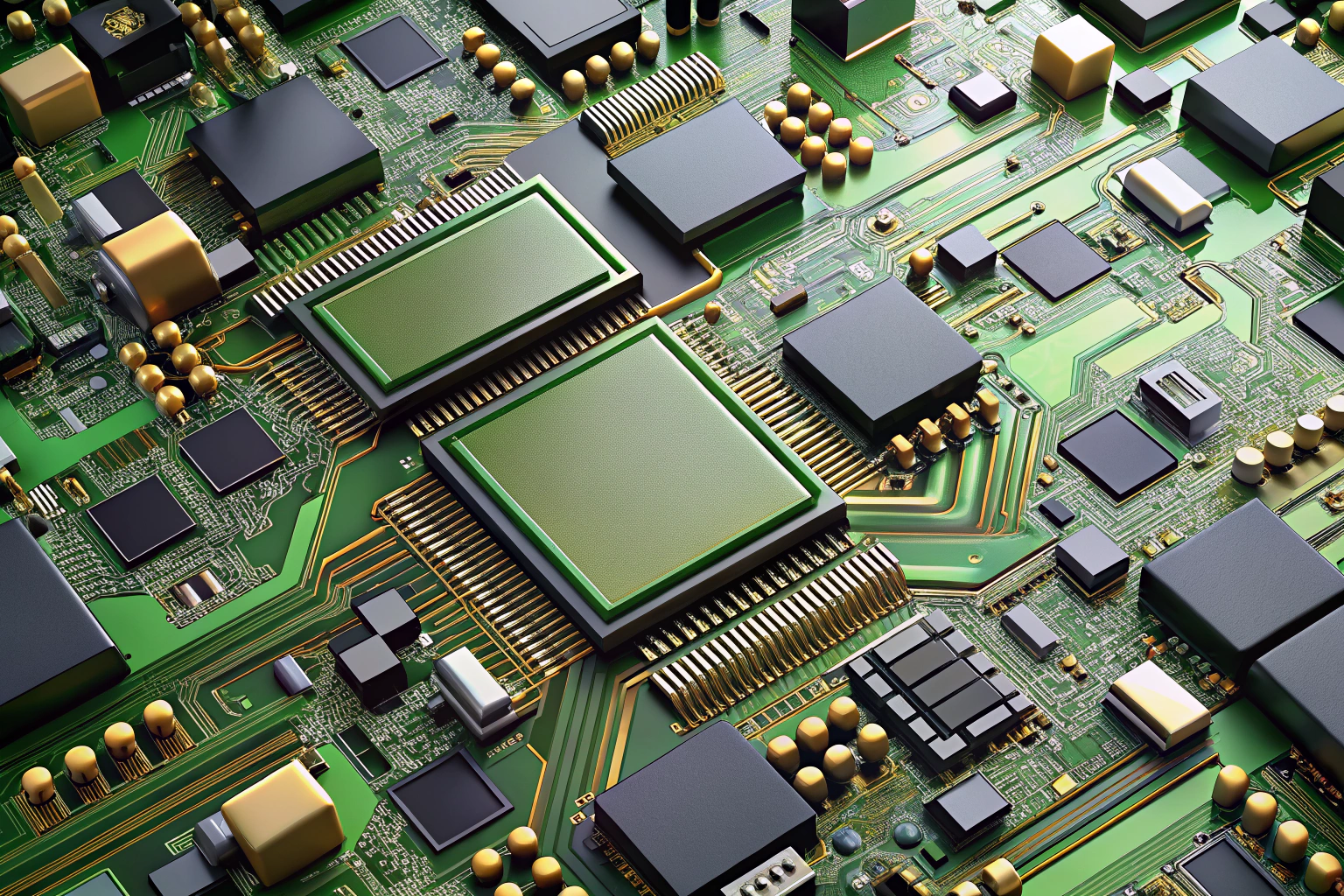
This allows components to be placed much closer together and on both sides of the PCB. Shorter electrical paths reduce parasitic effects and support compact layouts.
From a manufacturing perspective, higher density means more functionality can be achieved on a smaller board area. This directly supports product miniaturization without sacrificing performance.
How does high density improve product design flexibility?
Higher component density gives designers more routing freedom.
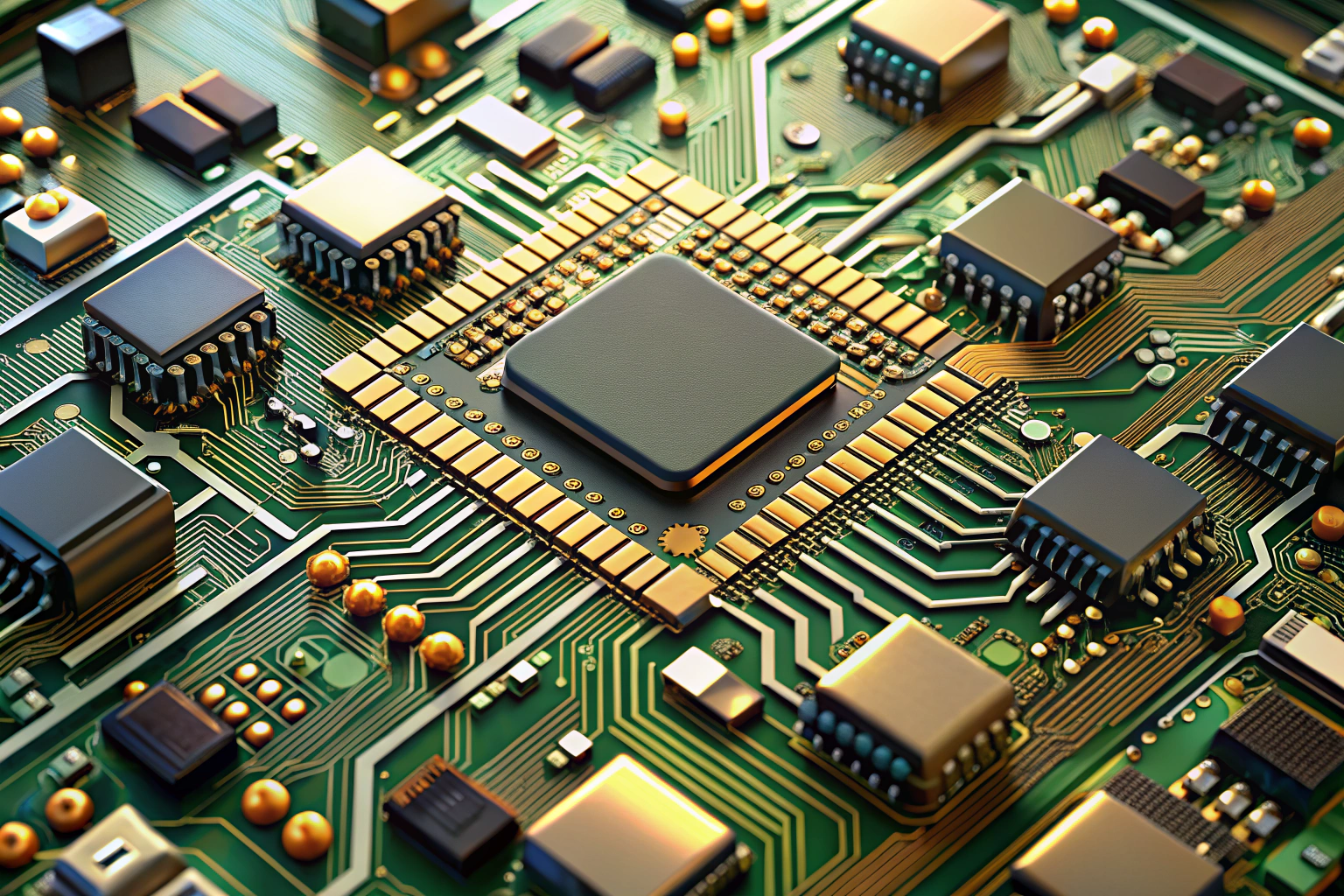
Additional space can be used for extra features, improved power distribution, or better signal separation. Multilayer PCB designs benefit even more when combined with surface mount components.
In factory production, compact layouts also reduce material consumption. Smaller PCBs lower laminate usage, panel size, and packaging volume, improving overall manufacturing efficiency.
How does surface mount density improve electrical performance?
Shorter leads and reduced loop areas improve signal integrity.
Surface mount components have lower inductance and resistance compared to through-hole components. This improves performance in high-speed, high-frequency, and low-voltage circuits.
This electrical advantage translates into more stable functional testing results and better long-term reliability when production processes are well controlled.
How does this advantage affect factory production efficiency?
High-density SMT assembly is highly compatible with automation.
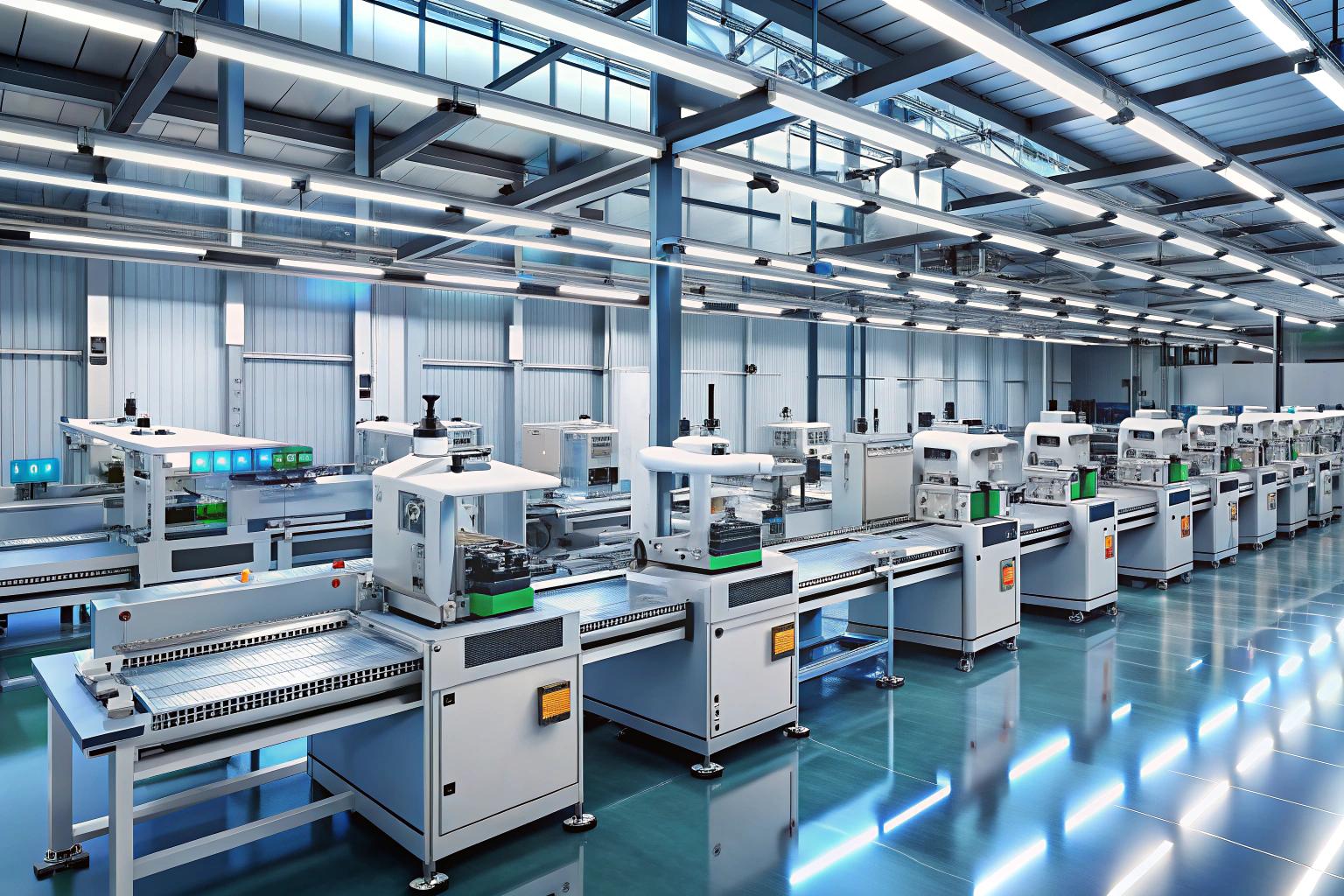
Pick-and-place machines can mount thousands of small components per hour with consistent accuracy. Double-sided placement further increases output without increasing board size.
For manufacturers, this means higher throughput, better repeatability, and stable quality once process parameters are optimized.
Are there additional benefits linked to higher density?
Higher density also improves mechanical reliability in many applications.
Smaller, lighter components experience less stress during vibration or shock. This is especially beneficial for portable devices and compact electronic systems.
At the same time, higher density supports modern enclosure designs that demand thinner profiles and reduced weight.
Conclusion
The main advantage of using surface mount components is the ability to achieve high circuit density, enabling smaller PCB size, greater functionality, and improved electrical performance.
This advantage drives product miniaturization, supports automated factory production, and improves material efficiency. When combined with disciplined process control and proper workshop management, surface mount components form the foundation of modern, high-performance electronic manufacturing.
