
Yes, a PCB can be repaired, but not every PCB should be repaired. Repair feasibility depends on damage type, circuit complexity, reliability requirements, and whether the repair restores original electrical and mechanical performance.
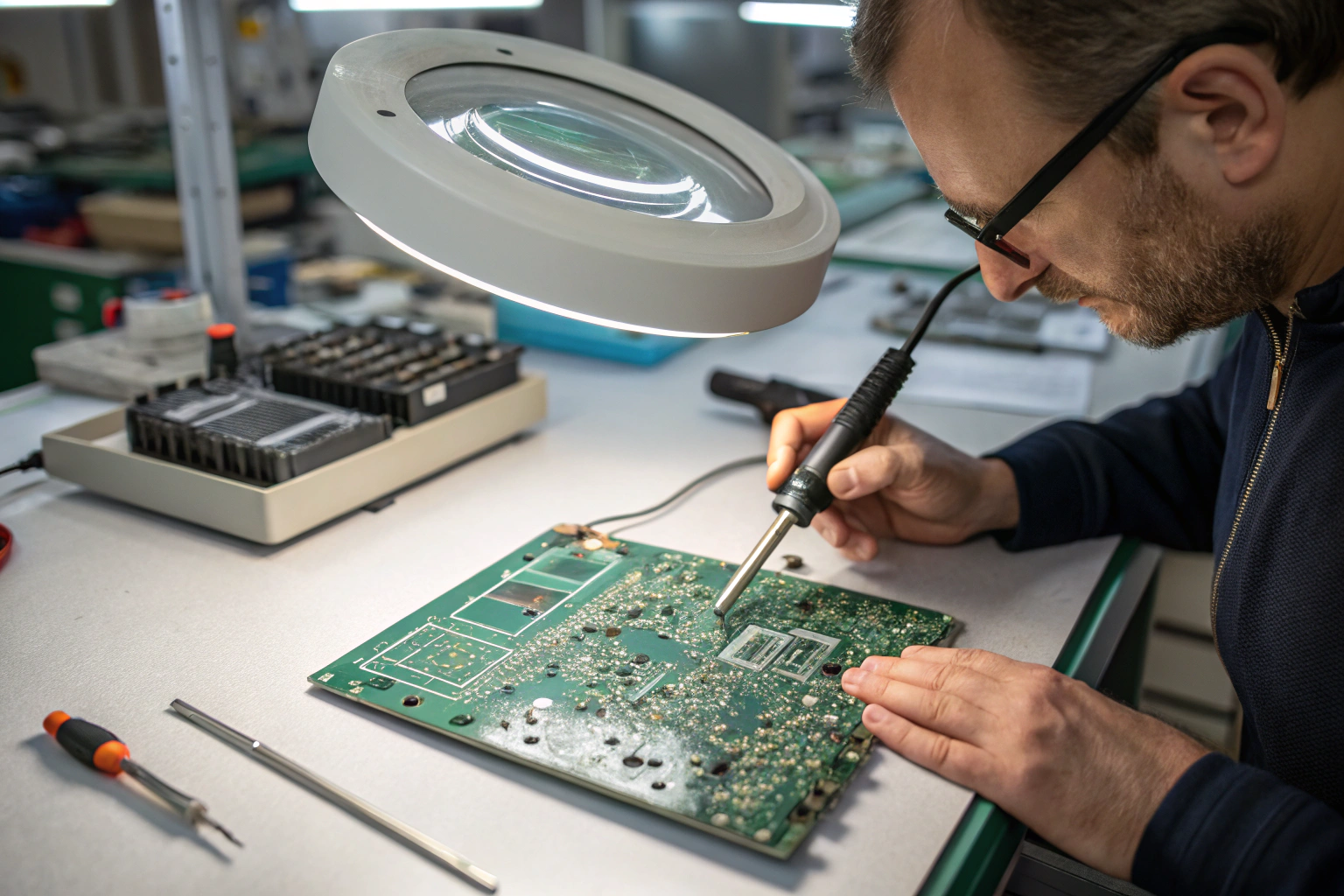
PCB repair is a controlled engineering activity, not a simple soldering task. In professional manufacturing, repair decisions are based on risk, traceability, and long-term stability rather than short-term cost savings.
When done correctly, PCB repair can recover value, support debugging, and extend product life. When done incorrectly, it introduces hidden failures.
What Types of PCB Damage Can Be Repaired?
Not all PCB damage is equal.

Some defects are repairable by design.
Common repairable PCB issues include:
- Cold or insufficient solder joints
- Solder bridges and shorts
- Lifted but intact pads
- Broken or scratched traces
- Misaligned or incorrect components
These issues usually occur during assembly or early testing. With proper tools and process control, they can be corrected without affecting board reliability.
Non-repairable damage often includes:
- Burned or carbonized laminate
- Internal layer damage in multilayer boards
- Severe pad delamination
- Warped or cracked substrates
In manufacturing environments, these boards are scrapped because repair cannot guarantee long-term performance. The key rule is simple: if the base material integrity is compromised, repair is not acceptable.
How Is PCB Repair Performed in Professional Manufacturing?
PCB repair follows defined procedures.
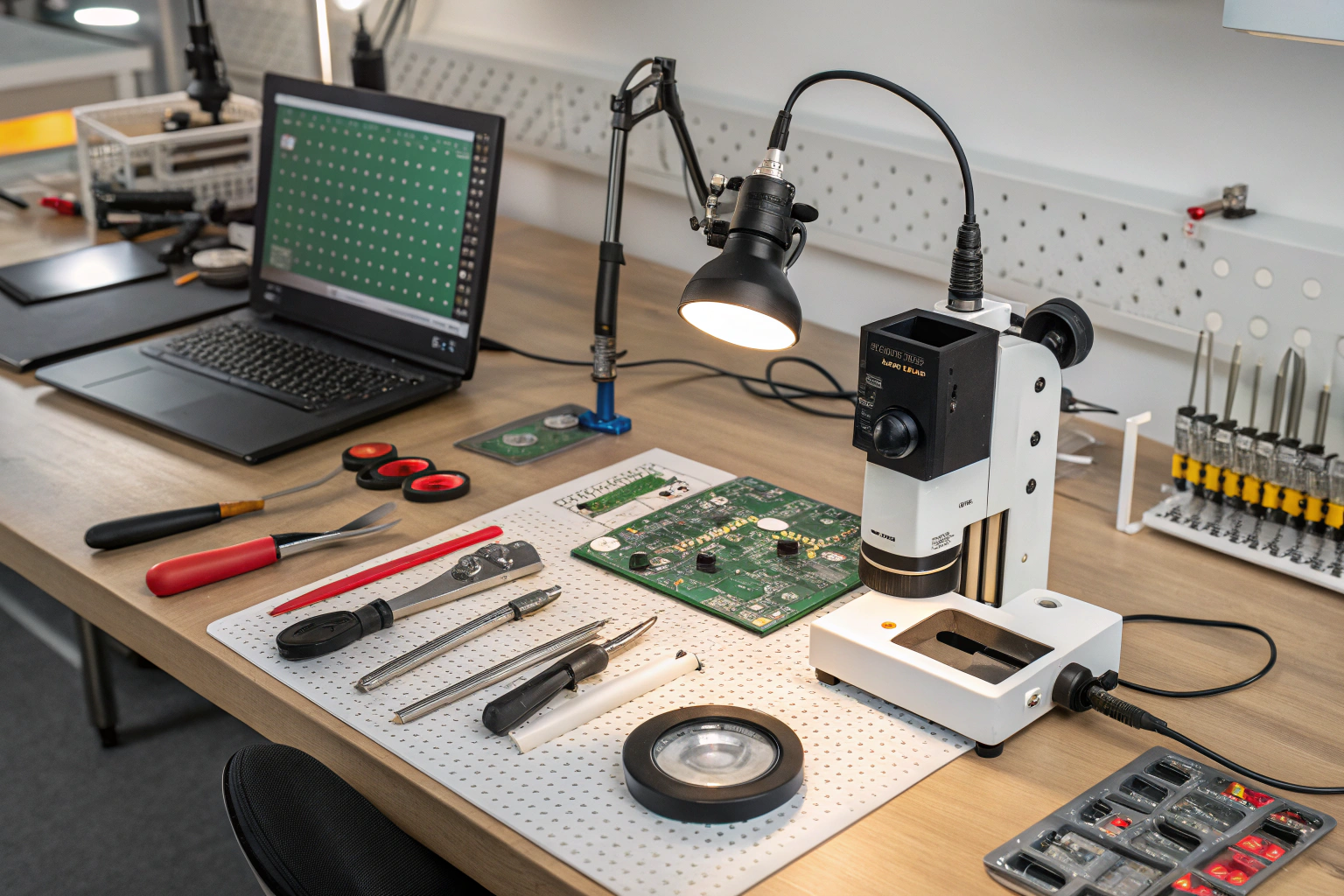
Improvisation is not allowed.
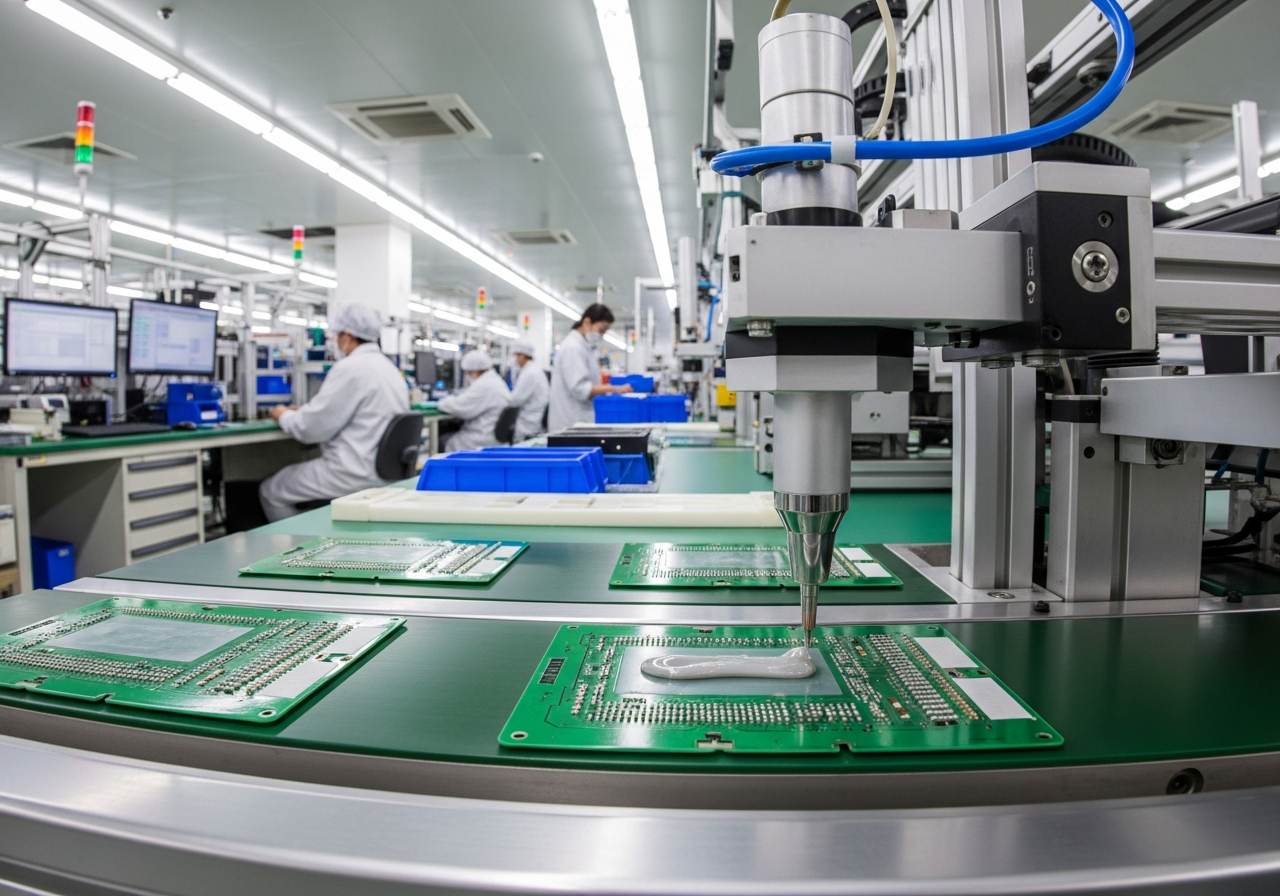
In professional workshops, PCB repair is classified as rework. It is carried out at dedicated rework stations, not on the production line.
Typical repair steps include:
- Failure analysis and defect confirmation
- Controlled component removal using hot air or infrared systems
- Pad and trace restoration if required
- Re-soldering with defined temperature profiles
- Visual and functional re-inspection
Trace repair may involve micro-wires, copper foil patches, or conductive epoxy. These methods are carefully controlled and documented.
Each repair must restore the board to its original electrical design intent. Cosmetic appearance is secondary to electrical integrity and mechanical stability.
Why Some PCB Repairs Are Allowed Only in Prototyping?
Repair tolerance changes with production stage.
Risk increases with volume.
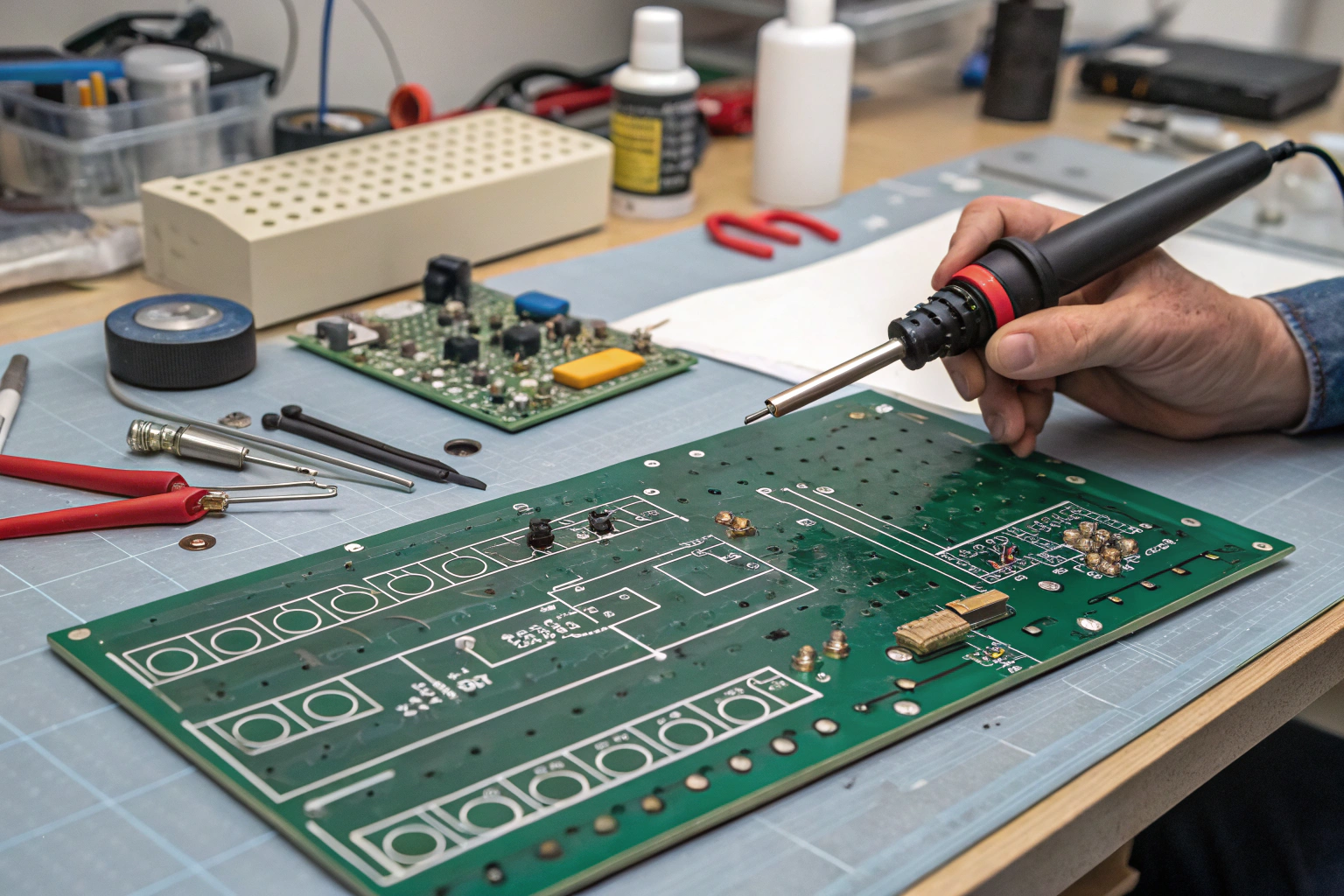
In prototype and early validation stages, PCB repair is common. It allows design issues to be corrected quickly and supports functional testing without waiting for new boards.
During mass production, repair rules become stricter. Excessive rework increases:
- Thermal stress on components
- Risk of latent defects
- Variation between units
Manufacturing quality systems limit the number of allowable rework cycles. If a board exceeds this limit, it is rejected even if repair seems possible.
This approach protects consistency and long-term reliability across shipments.
How Component Type Affects PCB Repair Feasibility?
Component packaging matters.
Some parts tolerate rework better than others.
Through-hole components are generally easier to repair. Pads are larger, heat tolerance is higher, and access is better.
Surface-mount components vary:
- Chip resistors and capacitors are easy to replace
- QFN and LQFP packages require precision
- BGA components demand X-ray alignment and controlled reflow
BGA repair is one of the highest-risk repair activities. It requires specialized equipment and skilled operators. Without proper control, hidden defects such as voids or head-in-pillow failures can occur.
For this reason, BGA repair is often limited or prohibited in high-reliability products.
How Factory Workshop Conditions Impact PCB Repair Quality?
Repair quality depends on environment.
Workshop control is critical.
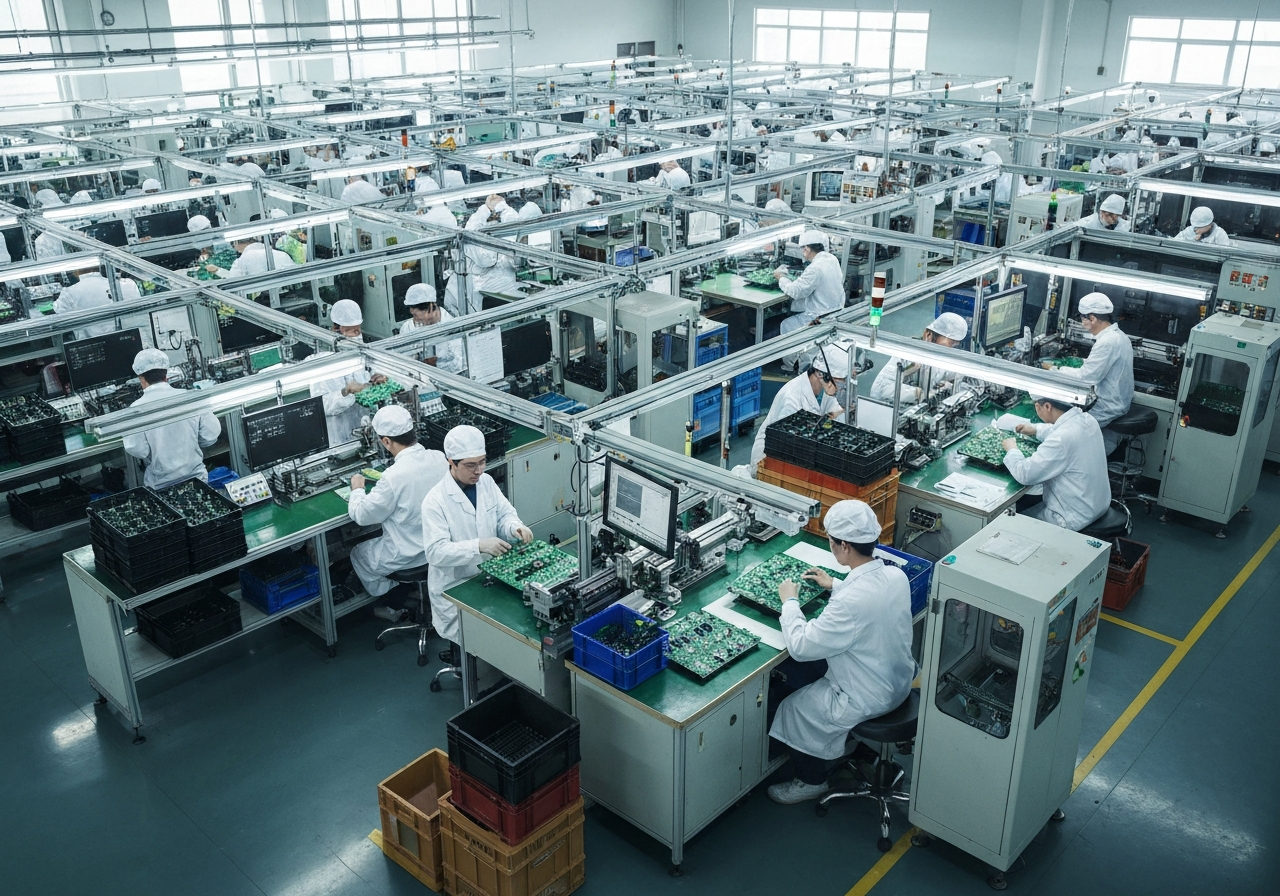
Professional workshops maintain strict control during PCB repair:
- ESD-safe workstations
- Temperature and humidity control
- Calibrated rework equipment
- Documented repair instructions
Operators performing repair are certified and trained. Not every technician is allowed to rework every board type.
Inspection after repair includes AOI, X-ray when needed, and functional testing. This ensures that repaired boards meet the same acceptance criteria as original assemblies.
Without this environment, PCB repair becomes guesswork and introduces long-term risk.
When Should a PCB Never Be Repaired?
Some repairs cost more than they save.
Risk outweighs value.
A PCB should not be repaired when:
- Safety or life-critical function is involved
- Damage affects internal layers
- The board shows carbonization or charring
- Repair alters impedance or signal integrity
- Traceability requirements forbid rework
In these cases, scrapping the board protects downstream systems and brand reputation.
Manufacturing decisions prioritize stability and predictability over short-term recovery.
How PCB Repair Decisions Are Made in Manufacturing?
Repair decisions follow engineering logic.
Emotion is removed from the process.
Before repair approval, engineering teams evaluate:
- Defect type and root cause
- Number of prior rework cycles
- Impact on electrical performance
- Impact on mechanical strength
Repair actions are logged. This data feeds back into process improvement. If the same repair appears repeatedly, upstream process correction is required.
This closed-loop system ensures repair supports quality improvement rather than hiding deeper problems.
Conclusion
A PCB can be repaired, but only within defined technical limits. Repairable defects include solder issues, minor trace damage, and component placement errors. Severe substrate damage, internal layer failure, or safety-critical applications do not allow repair. In professional manufacturing, PCB repair is a controlled engineering process supported by specialized equipment, trained personnel, and strict inspection standards. When applied correctly, repair recovers value and supports development. When misused, it creates hidden failures and long-term risk. The decision to repair is not about possibility alone. It is about whether reliability, consistency, and product integrity can still be guaranteed over the full lifecycle.
