
Waterproofing circuits means protecting electronic assemblies from moisture, condensation, and direct water exposure without compromising electrical performance. Effective waterproofing is achieved through material selection, structural design, surface protection, and controlled manufacturing processes, not by a single coating or seal.
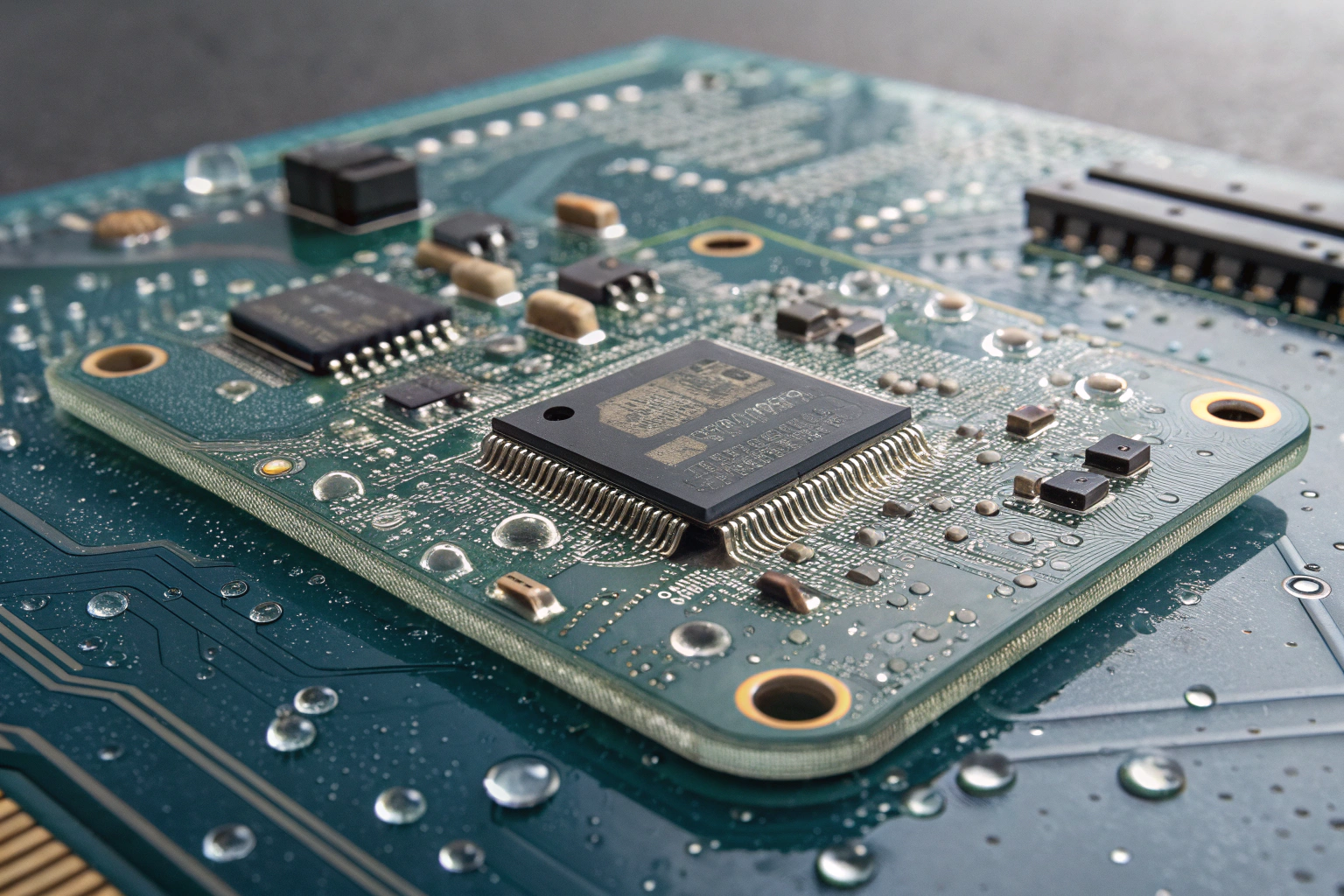
In electronics manufacturing, waterproofing is treated as a system-level solution. Poorly executed protection often fails over time, even if the circuit appears sealed at first.
A reliable waterproof circuit combines design intent with disciplined factory processes to ensure long-term stability in real operating environments.
Understand What Type of Water Exposure the Circuit Faces
Not all “waterproof” requirements are the same.
Protection level must match the environment.
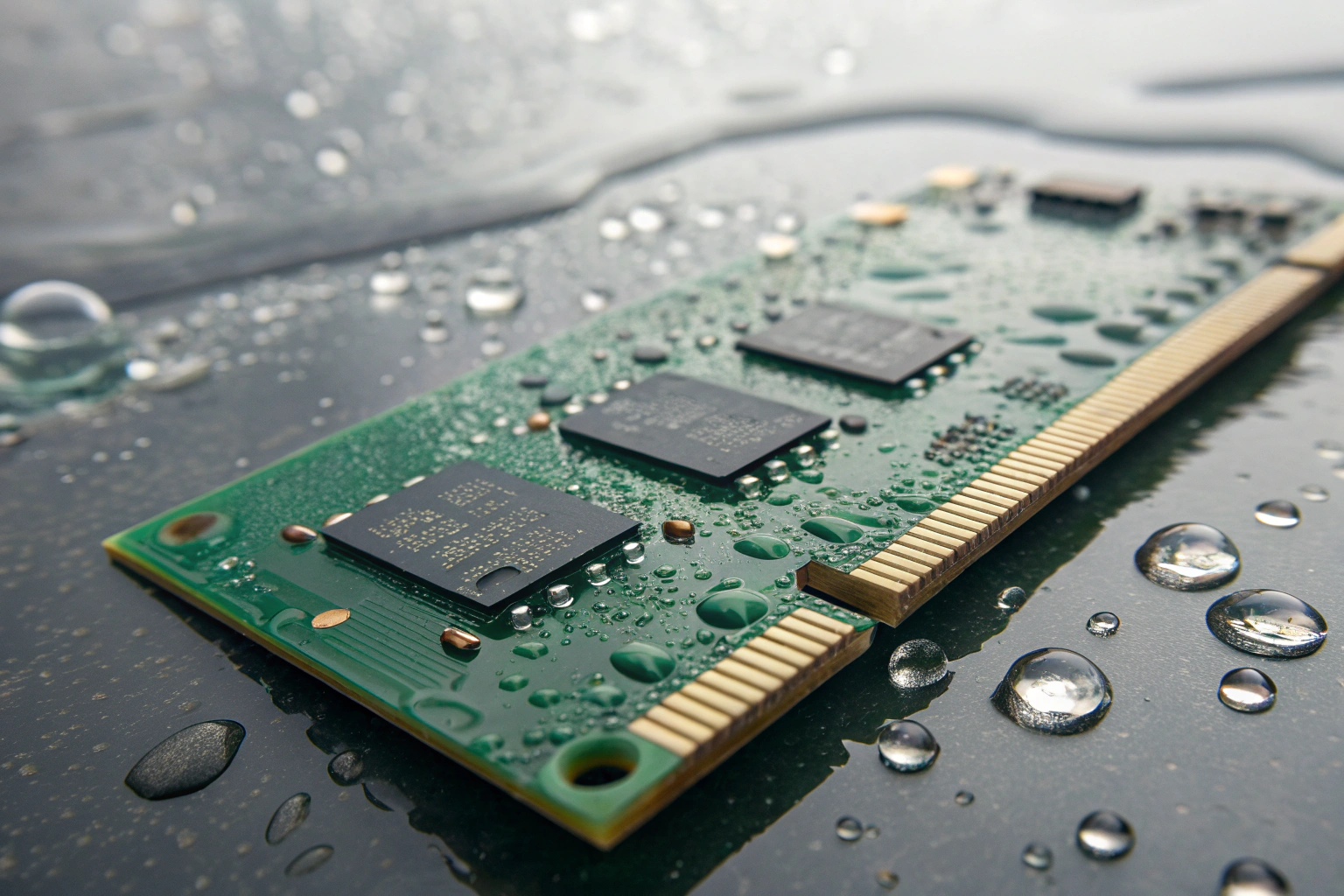
Before selecting any waterproofing method, exposure conditions must be defined clearly:
- Occasional splashes or high humidity
- Condensation from temperature changes
- Continuous outdoor exposure
- Direct immersion or wash-down
Each condition demands a different protection strategy. A circuit that survives humidity may fail quickly under immersion. Over-protection also creates issues such as heat trapping and repair difficulty.
In manufacturing, environmental classification is defined early. This ensures that materials, coatings, and enclosures are chosen correctly and verified through testing rather than assumption.
Use Conformal Coating for Surface-Level Protection
Conformal coating is the most common waterproofing method.
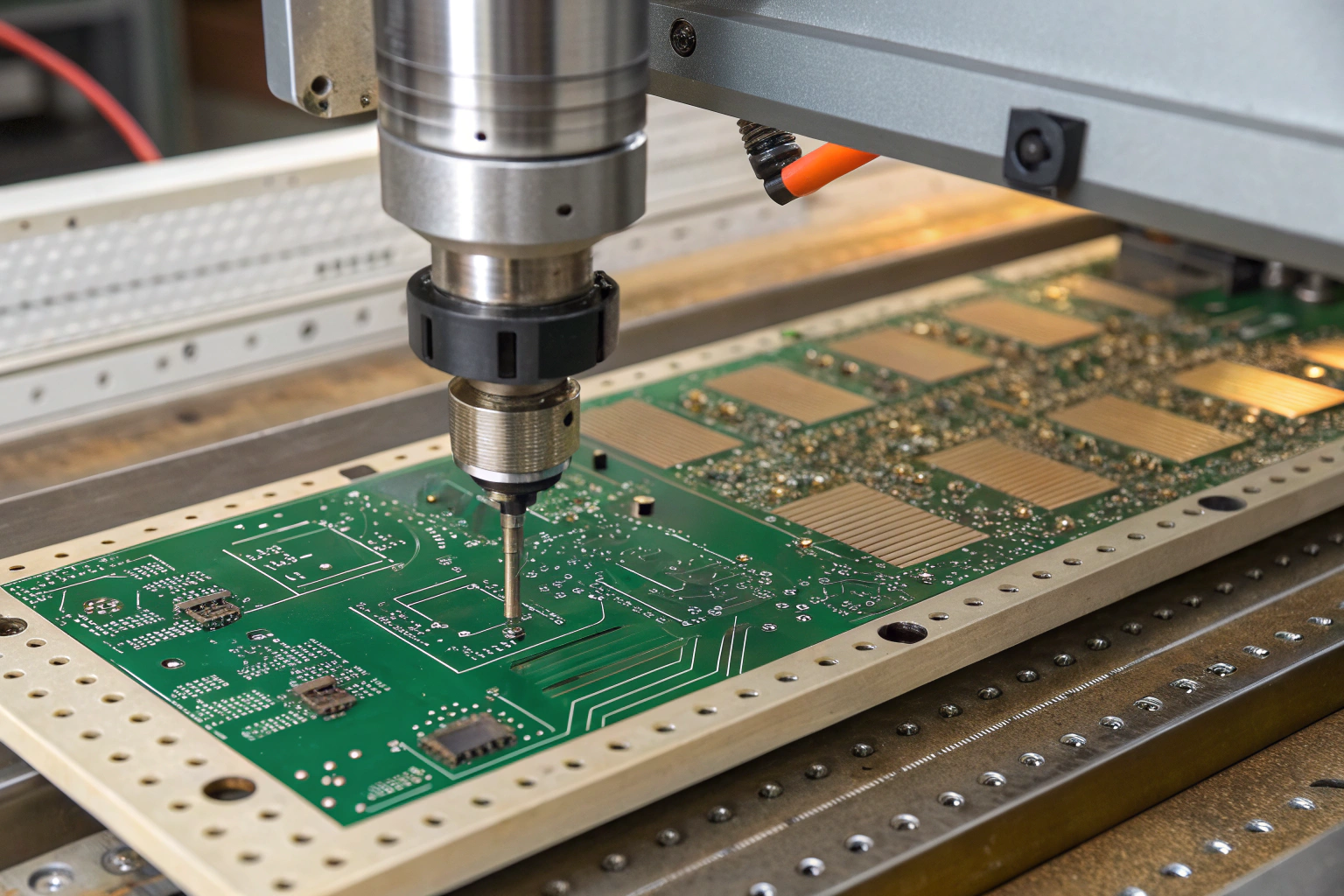
It protects without changing circuit function.
Conformal coatings are thin protective layers applied over assembled PCBs. They shield components and traces from moisture, dust, and corrosion while maintaining electrical insulation.
Common coating types include:
- Acrylic (easy to apply and rework)
- Silicone (flexible, moisture resistant)
- Polyurethane (strong chemical resistance)
- Parylene (high-end, vapor-deposited protection)
In factory workshops, coating thickness, coverage, and cure conditions are tightly controlled. Masking is applied to connectors, test points, and heat-sensitive areas.
Conformal coating is ideal for circuits exposed to humidity, condensation, or light splashing, but it is not sufficient for full submersion or high-pressure water environments.
Apply Potting or Encapsulation for Full Water Isolation
Potting provides the highest level of waterproofing.
It fully isolates the circuit from the environment.
Potting involves encapsulating the circuit in resin, such as epoxy, silicone, or polyurethane. Once cured, the circuit is sealed against water ingress.
Advantages include:
- Excellent waterproofing
- Strong vibration resistance
- Protection against corrosion and contaminants
Limitations include:
- No rework or repair access
- Increased weight
- Reduced heat dissipation if poorly designed
In manufacturing, potting is used only when required. Resin selection considers thermal expansion, operating temperature, and long-term aging. Improper potting often causes internal stress and premature failure.
Potting is commonly used in sensors, outdoor power modules, and industrial electronics exposed to harsh conditions.
Design the PCB and Layout for Moisture Resistance
Waterproofing starts at the design stage.
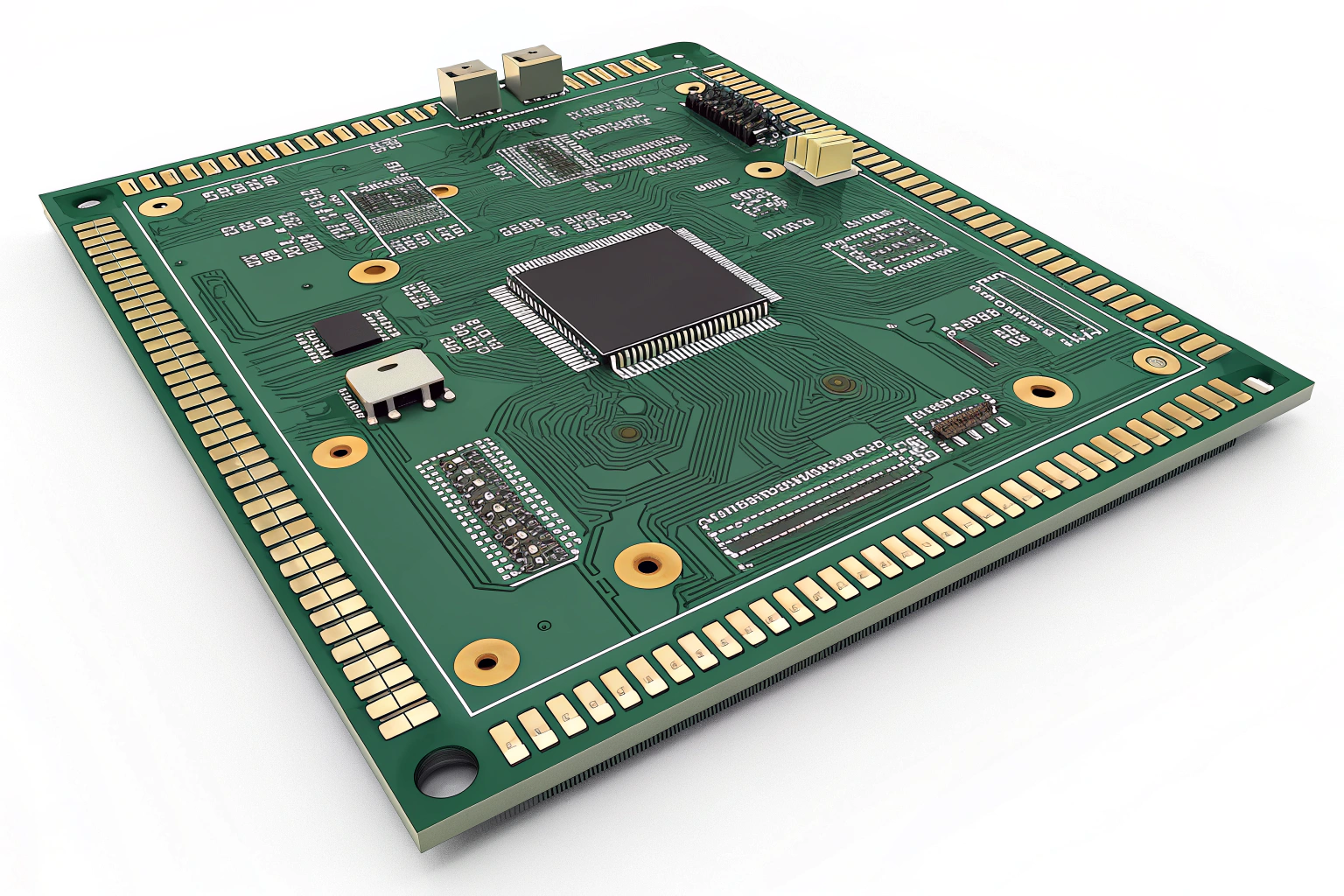
Layout decisions affect protection success.
A moisture-resistant PCB design includes:
- Adequate spacing between high-voltage nets
- Avoidance of sharp copper corners
- Proper solder mask coverage
- Reduced exposed copper areas
Drain paths and ventilation may be added to prevent water pooling. Components sensitive to moisture are positioned away from edges and openings.
In manufacturing, boards designed with moisture resistance solder more consistently and coat more evenly. Poor layout leads to coating voids, trapped moisture, and early corrosion.
Design-for-manufacturing review ensures waterproofing methods remain effective at scale.
Use Enclosures and Seals as the First Defense
PCB-level protection works best with enclosure support.
Mechanical barriers reduce risk dramatically.
Waterproof circuits almost always rely on enclosures:
- Gaskets and O-rings block water entry
- Cable glands seal wire exits
- Vent membranes equalize pressure
The enclosure reduces direct exposure, while PCB coatings handle residual moisture.
In factory production, enclosure assembly follows torque control, seal inspection, and leak testing. A perfect PCB coating cannot compensate for a poorly sealed enclosure.
Waterproofing is most reliable when mechanical and electronic protection work together.
Control Factory Processes to Ensure Waterproof Reliability
Waterproofing fails without process discipline.
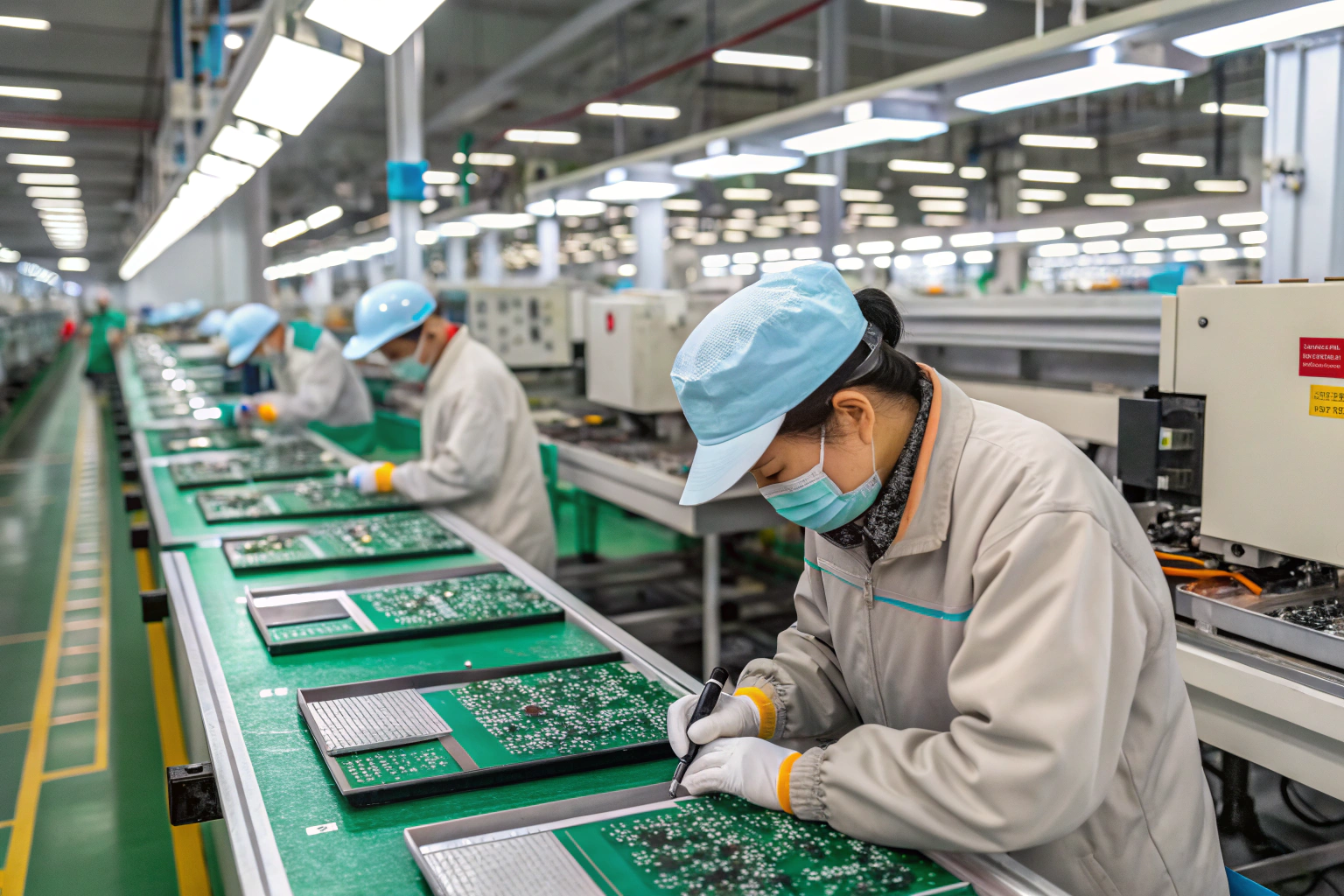
Consistency is more important than material choice.
In professional manufacturing workshops, waterproofing includes:
- Clean assembly before coating
- Controlled humidity during application
- Verified coating thickness and coverage
- Cure process monitoring
- Post-process inspection and testing
Contamination trapped under coatings leads to corrosion. Uneven coating causes weak points. Excess coating blocks connectors or traps heat.
Testing methods include:
- Insulation resistance testing
- Thermal cycling with humidity
- Water spray or immersion tests
Only boards that pass these validations are released for shipment.
Conclusion
Waterproofing circuits is not a single-step solution but a combination of correct design, suitable materials, mechanical protection, and disciplined manufacturing processes. Conformal coating protects against humidity and condensation, while potting provides full isolation for harsh environments. Enclosures, seals, and PCB layout decisions form the first line of defense, reducing the burden on coatings alone. In professional manufacturing, waterproof reliability is achieved through controlled application, inspection, and environmental testing. Circuits that survive real-world moisture exposure are not simply coated—they are engineered, manufactured, and validated with waterproofing as a core requirement from the beginning.
