
A corroded circuit board can sometimes be repaired, but only when corrosion is limited, superficial, and has not damaged internal layers or critical conductors. Once corrosion penetrates copper traces, vias, or the PCB substrate, reliable repair becomes difficult or impossible.
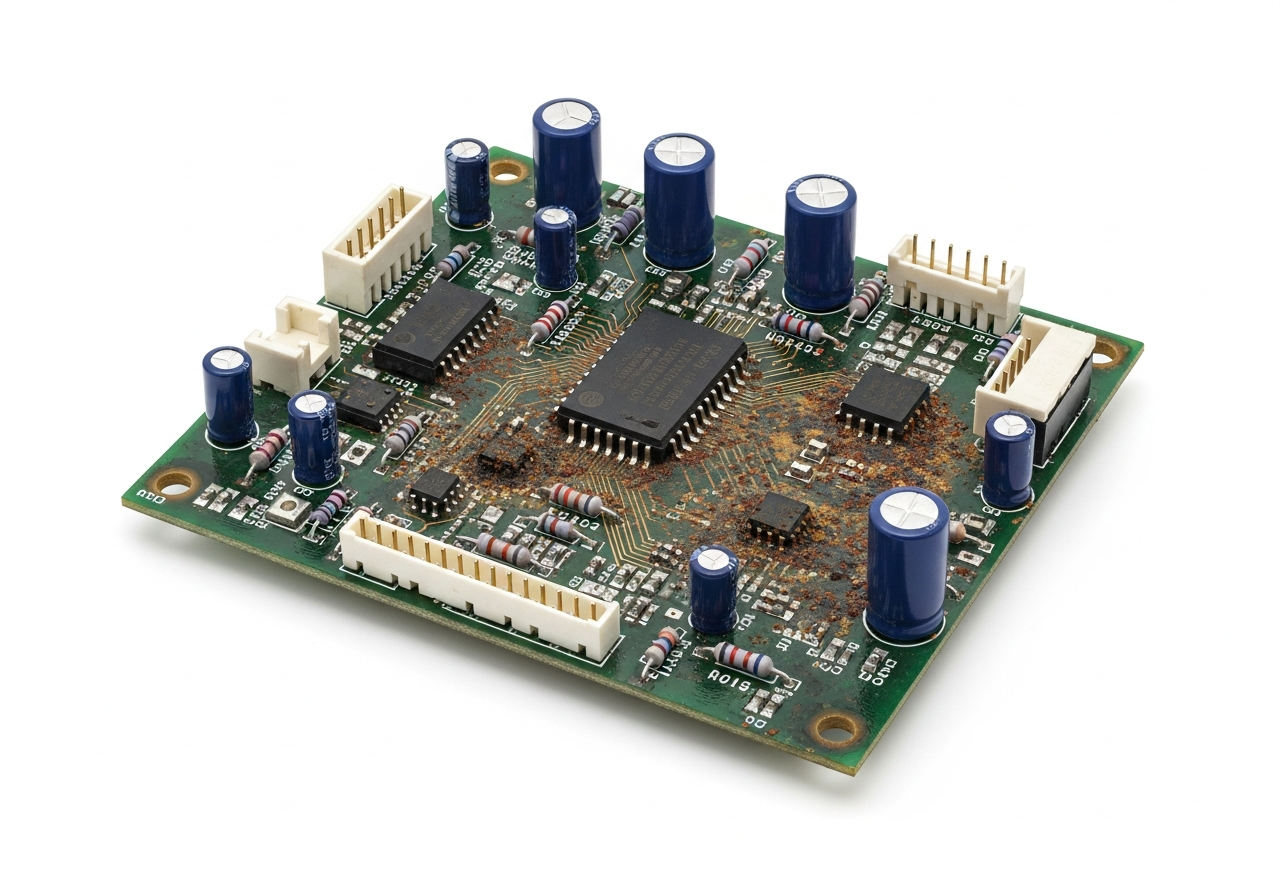
In electronics manufacturing, corrosion is treated as a progressive failure, not a cosmetic issue. The decision to repair or scrap a corroded PCB is based on risk, reliability, and long-term performance, not whether the board can be powered on again.
Understanding how corrosion behaves on a PCB is essential before attempting any repair.
What Causes Corrosion on a Circuit Board?
Corrosion is a chemical reaction.
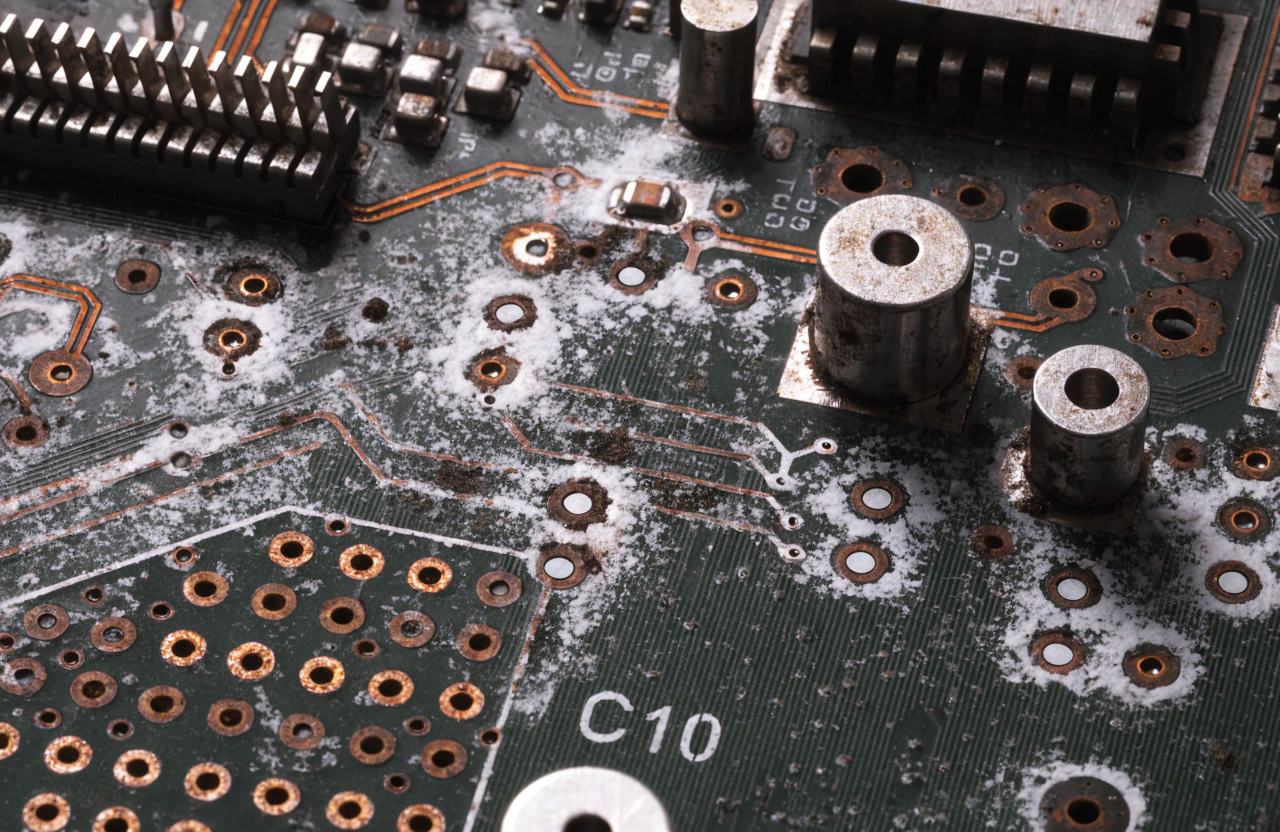
It starts small and spreads silently.
PCB corrosion is typically caused by:
- Moisture or condensation
- Salt air or industrial pollutants
- Flux residue left after soldering
- Battery leakage
- Improper storage or packaging
These factors create an electrolyte that reacts with copper, tin, and component leads. The reaction slowly eats away metal, increasing resistance and eventually breaking connections.
In factory environments, corrosion is prevented through humidity control, proper cleaning, material storage, and protective coatings. Once corrosion appears, it indicates that one or more protective barriers have failed.
How to Identify Whether Corrosion Is Repairable?
Not all corrosion looks the same.
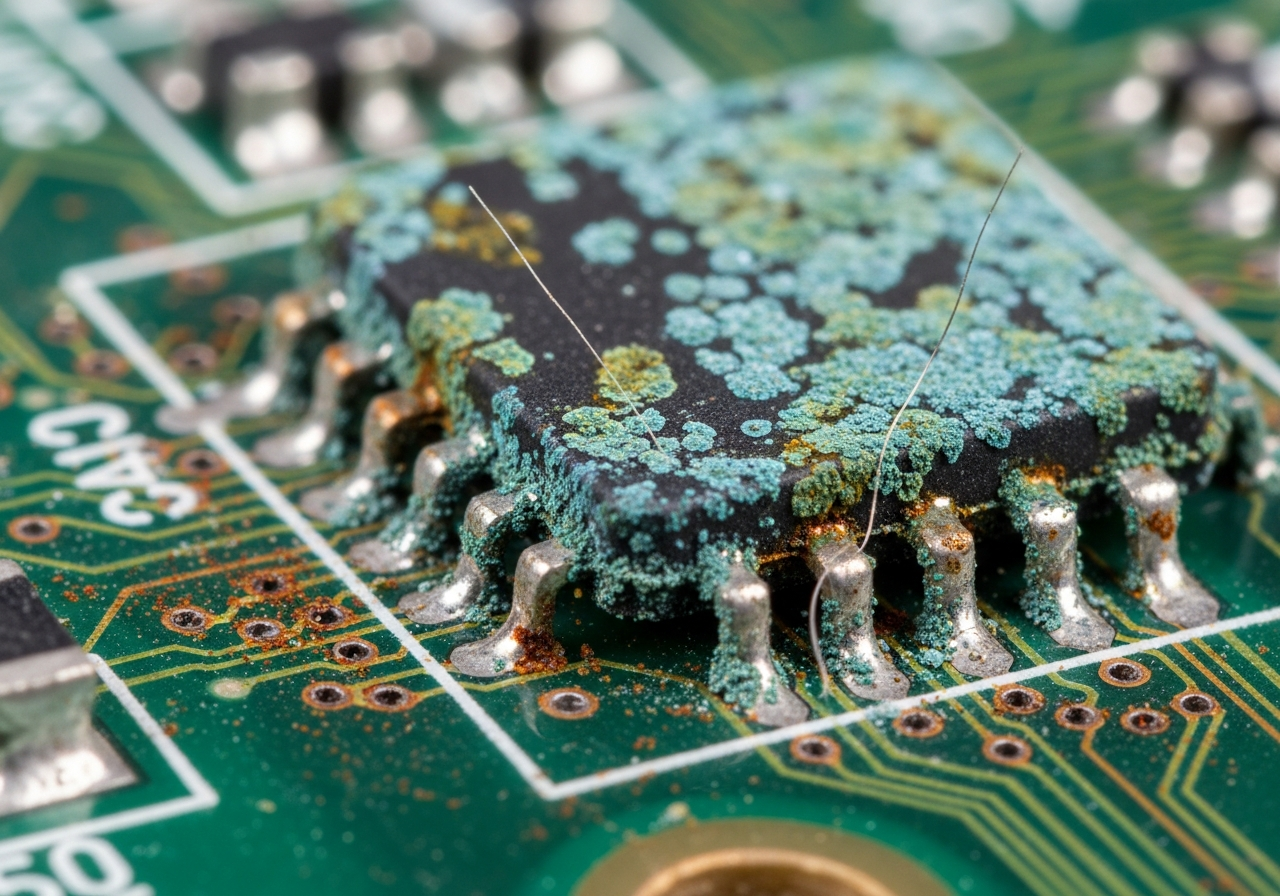
Depth matters more than appearance.
Repairable corrosion usually has these characteristics:
- Surface discoloration on pads or leads
- White, green, or blue residue limited to exposed areas
- No visible damage to PCB laminate
- Traces still mechanically intact
Non-repairable corrosion often shows:
- Blackened or missing copper
- Corrosion spreading under components
- Lifted pads or broken vias
- Softened or carbonized PCB material
In professional manufacturing, magnification and continuity testing are used to confirm whether copper cross-section remains intact. If copper thickness is significantly reduced, repair is rejected even if continuity still exists.
How Is Corrosion Repaired on a PCB?
Repair focuses on stopping corrosion first.
Electrical restoration comes second.
When repair is approved, the process typically includes:
- Neutralizing and cleaning the affected area using electronics-grade solvents
- Removing corrosion residue mechanically under magnification
- Restoring conductivity with solder, micro-jumpers, or conductive repair materials
- Rebuilding protection using conformal coating or localized sealing
Trace repair may involve adding jumper wires to bypass weakened copper. Pads may be reinforced if adhesion remains acceptable.
In factory workshops, every corrosion repair is documented and followed by electrical testing. Cosmetic appearance is secondary to electrical stability.
Why Internal Corrosion Cannot Be Reliably Repaired?
Multilayer PCBs hide damage.
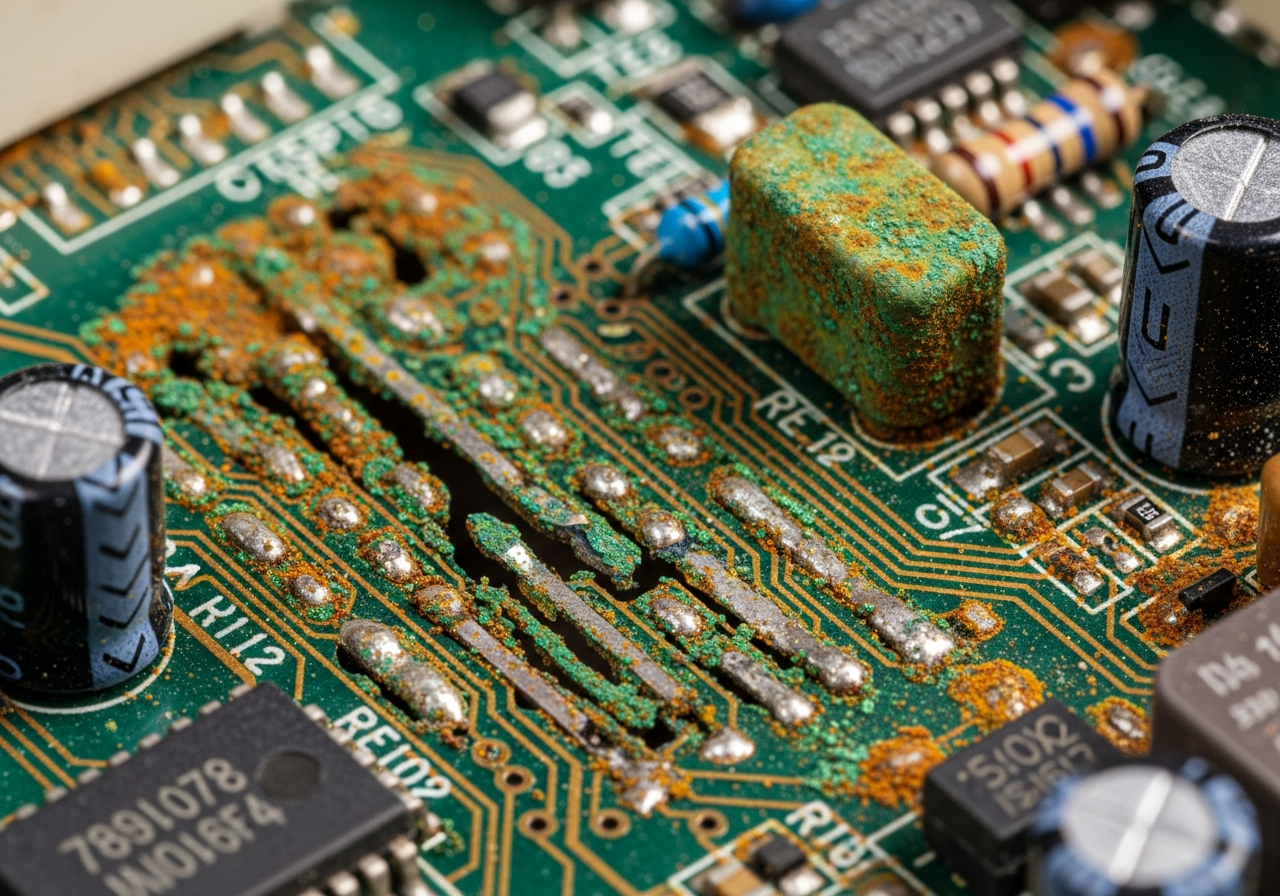
Internal layers cannot be accessed safely.
If corrosion reaches internal layers or vias:
- Copper loss cannot be visually assessed
- Moisture may remain trapped
- Electrical behavior becomes unpredictable
Even if external symptoms are repaired, internal corrosion continues progressing. Thermal cycling accelerates failure.
For this reason, professional manufacturers classify internal-layer corrosion as scrap condition. Replacement is safer and often cheaper than repeated failure analysis and rework.
How Factory Workshops Prevent Corrosion from the Start?
Corrosion prevention is built into the process.
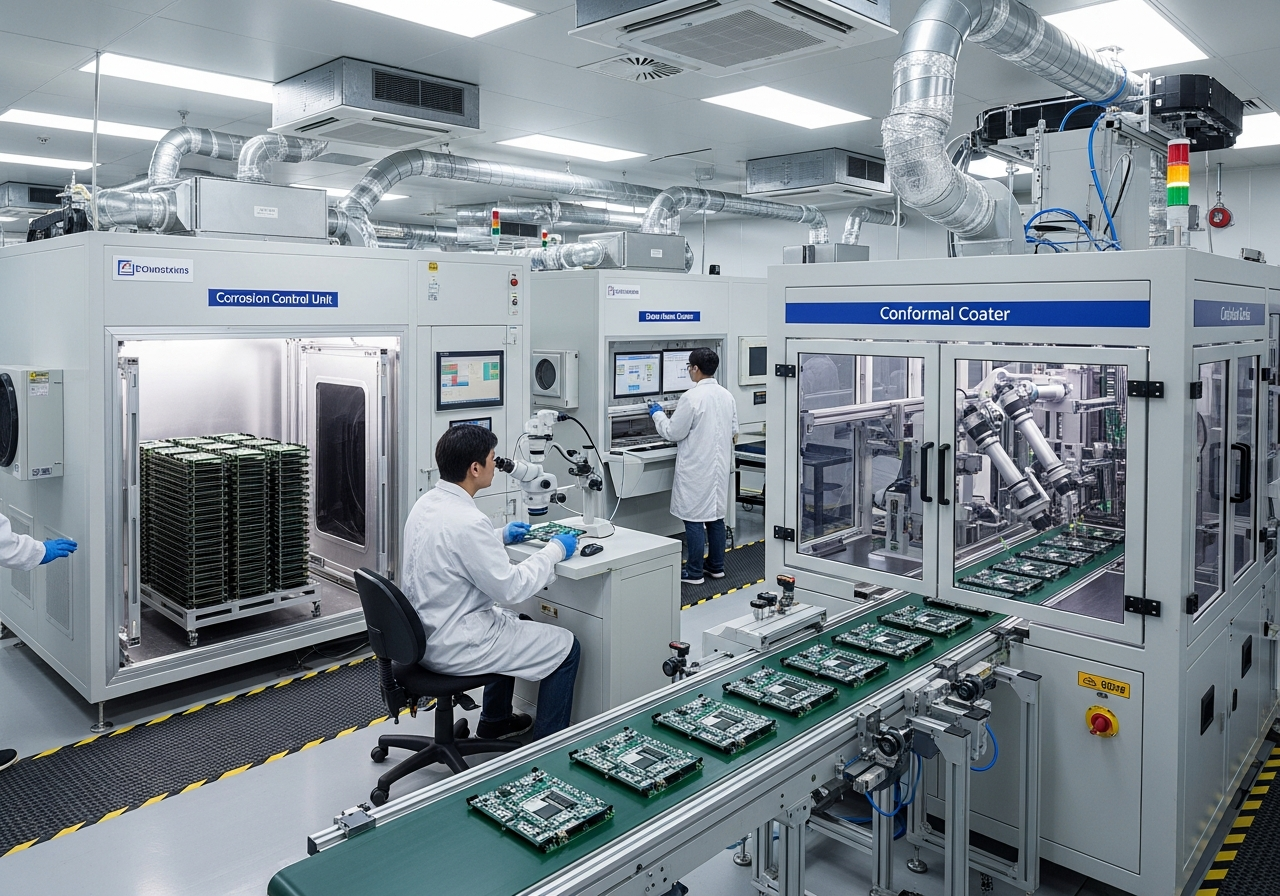
Repair is always the last option.
In controlled factory workshops, corrosion prevention includes:
- Humidity-controlled storage for PCBs and components
- Proper flux selection and post-solder cleaning
- Ionic contamination testing
- Conformal coating for moisture-prone products
- Moisture barrier packaging for shipment
Boards are never stored or shipped with exposed contamination. Environmental controls ensure that corrosion does not start during manufacturing or logistics.
These controls are far more effective than any repair performed later.
When Should a Corroded Circuit Board Be Replaced?
Replacement is required when reliability cannot be guaranteed.
Function alone is not enough.
A corroded PCB should be replaced when:
- Copper traces are thinned or missing
- Vias show signs of internal damage
- Corrosion appears under ICs or connectors
- Electrical insulation is compromised
- The board serves a critical or long-life function
In manufacturing, these boards are scrapped to prevent field failures, warranty claims, and safety risks.
Repairing such boards often leads to repeat corrosion and unpredictable behavior.
Conclusion
A corroded circuit board can be repaired only when corrosion is shallow, localized, and has not damaged copper structure or internal layers. Effective repair requires thorough cleaning, electrical restoration, and renewed protection, followed by full testing. However, once corrosion penetrates traces, vias, or the PCB substrate, reliable repair is no longer possible. In professional manufacturing, corrosion is treated as a reliability threat rather than a cosmetic defect. Preventive controls in factory workshops—humidity management, cleaning, and protective coatings—are far more effective than any repair. The correct decision is not whether a corroded board can be powered on again, but whether it can be trusted to operate safely and consistently over time.
