
A fried motherboard can cause sudden device failure, unstable operation, or complete power loss. By observing visual damage, testing power behavior, and checking key components, it is possible to determine whether a motherboard is permanently damaged or still repairable.
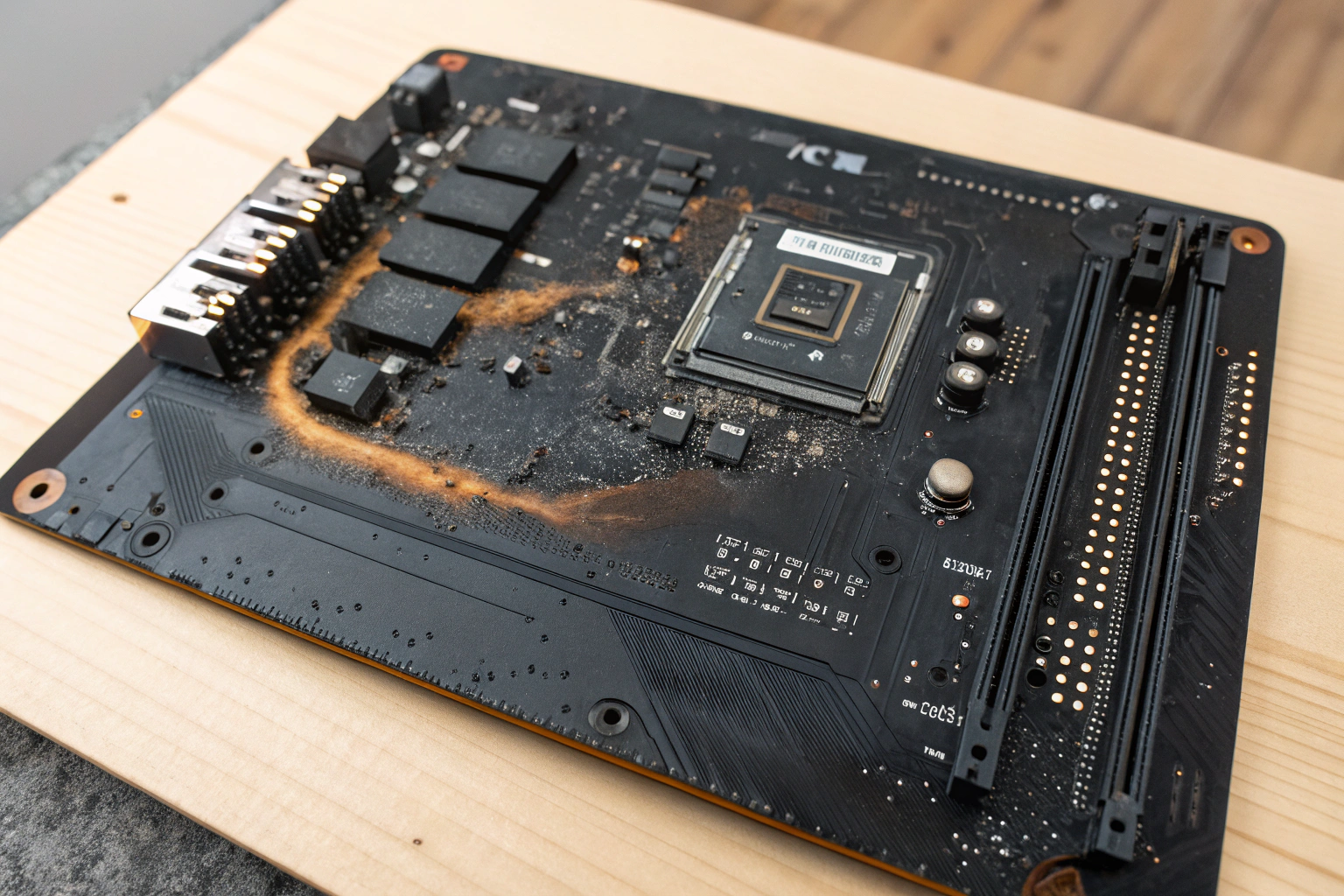
Electronic products rely on the motherboard as the core carrier of all components. Once the motherboard fails, the entire system may stop functioning. In manufacturing and testing practice, identifying whether a motherboard is fried is a critical step before deciding on repair, rework, or replacement. The following sections explain this process in a structured and professional way.
Does the motherboard show visible burn marks or physical damage?
A common and direct sign of a fried motherboard is visible physical damage. Burn marks, darkened areas, or melted solder joints often indicate electrical overload or short circuits.
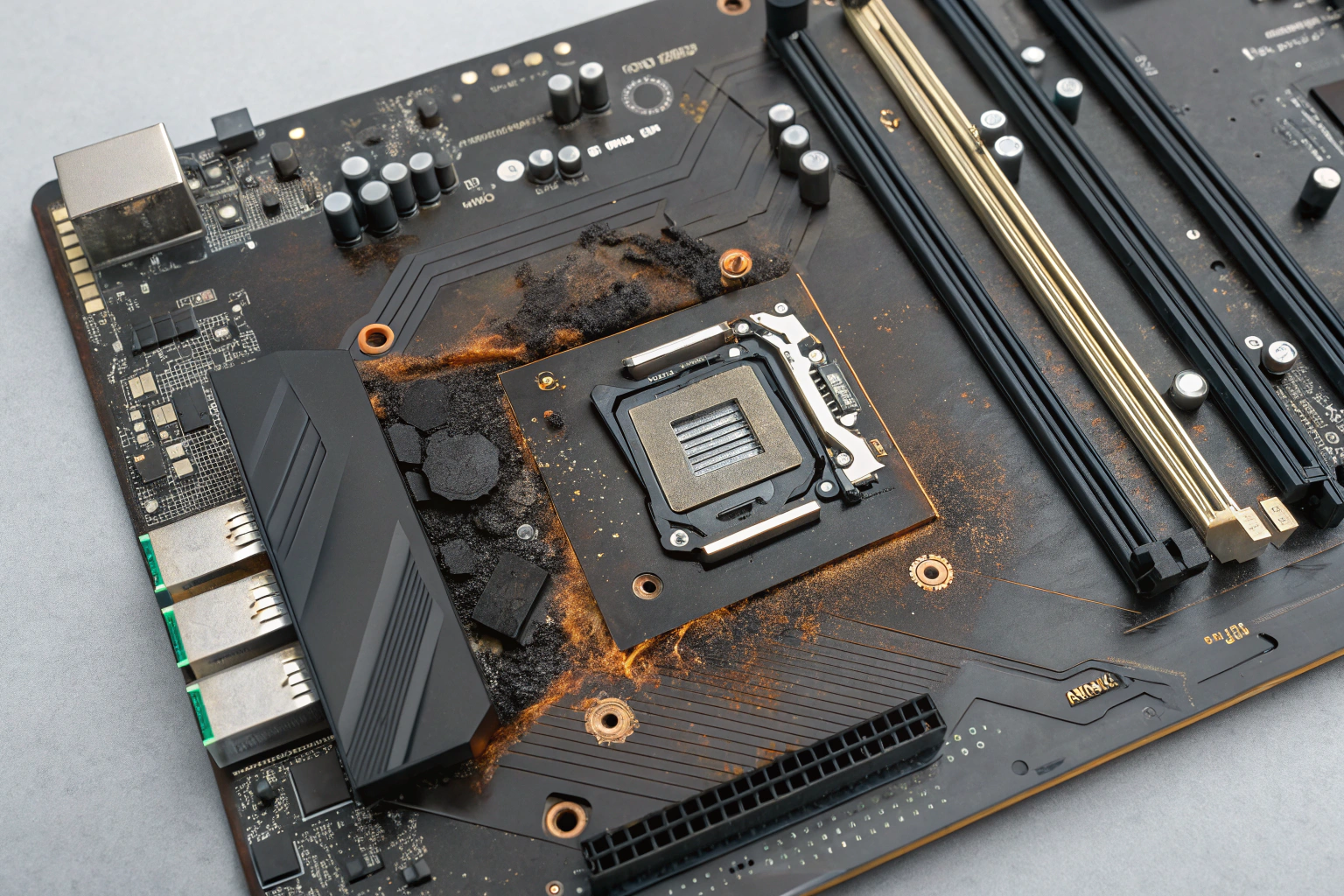
The most frequent locations for visual damage include power input areas, voltage regulator modules, MOSFETs, and DC-DC converter zones. Swollen or leaking capacitors are also strong indicators of failure. In some cases, PCB layers may discolor due to prolonged overheating.
From a manufacturing perspective, visual inspection is the first mandatory step in quality control. In a professional SMT factory, AOI and manual inspection are used together to identify solder bridging, cold joints, or component polarity errors that could later cause board burnout. When damage is found during incoming failure analysis, engineers usually trace it back to power design, component selection, or assembly process deviations.
Does the motherboard fail to power on at all?
A motherboard that does not power on, even with a confirmed good power supply, is often suspected to be fried. No LED indicators, no fan movement, and no voltage response usually point to power rail failure.
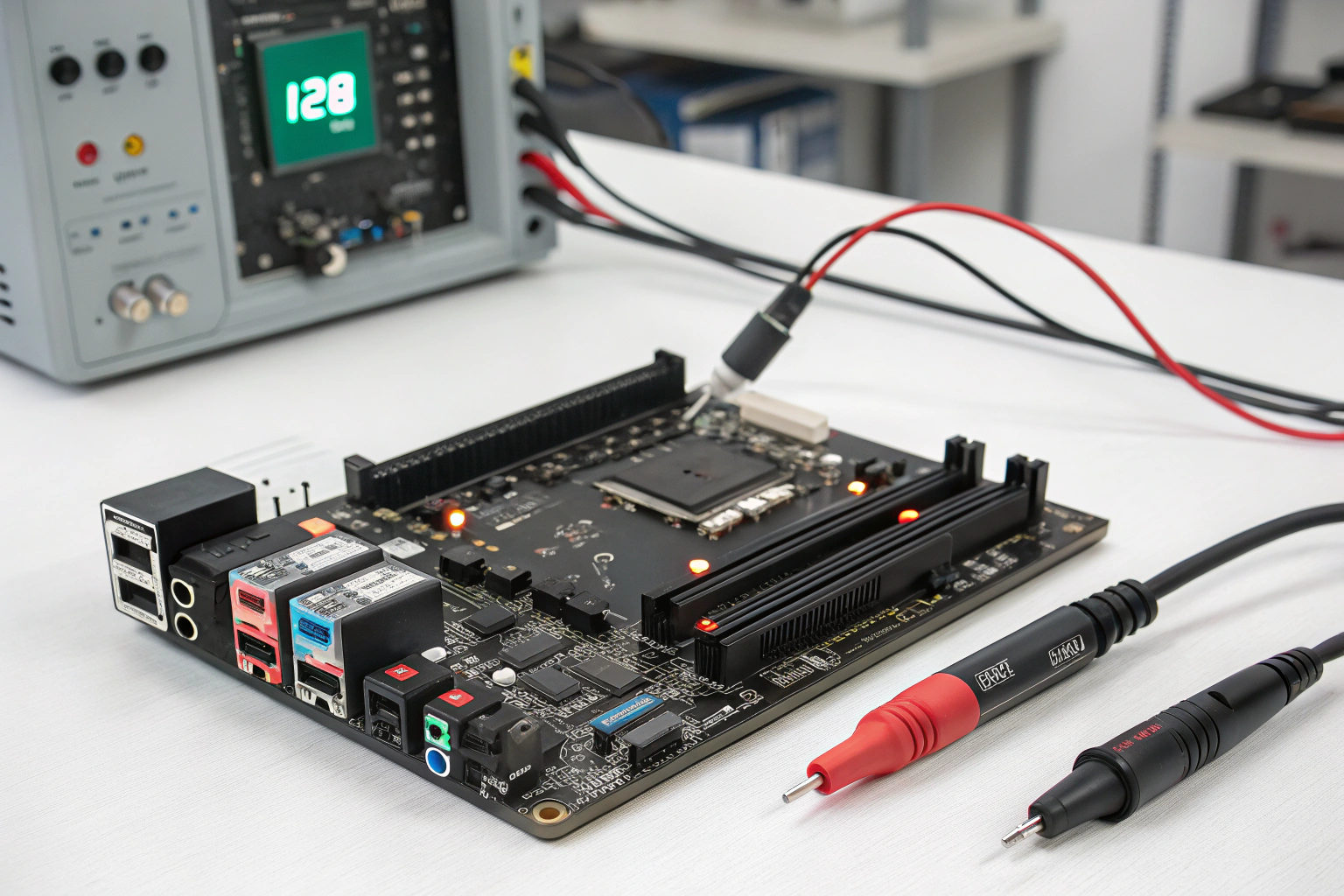
This type of failure is commonly related to shorted power lines, damaged PMICs, or failed protection circuits. Measuring resistance between power and ground can quickly reveal abnormal shorts. In production testing, this is part of pre-power-on electrical verification.
In factory environments, ICT and power-on testing are applied after SMT and assembly. These tests ensure that each voltage rail meets design specifications before functional testing. A board that fails at this stage is isolated immediately to prevent further damage to testing equipment. This systematic testing process significantly reduces the risk of shipping boards with hidden power defects.
Are there abnormal smells, heat, or smoke during power-up?
A burnt smell or sudden heat rise is a strong warning sign. Even if the motherboard still powers on, these symptoms indicate internal component damage or insulation breakdown.
Common causes include incorrect component placement, wrong BOM substitution, or poor soldering quality. Excessive heat may also result from poor PCB stack-up design or insufficient copper thickness in power layers.
In controlled manufacturing workshops, thermal profiling and power stress tests are used to identify such risks early. Reflow temperature curves are carefully managed to avoid latent damage. Engineers also review thermal simulation and real test data to ensure that boards operate within safe limits under load.
Does the system behave randomly or crash frequently?
Intermittent failures, random resets, or peripheral detection issues may suggest partial motherboard damage rather than total burnout. Signal integrity issues, damaged chipsets, or unstable clock circuits often cause these symptoms.
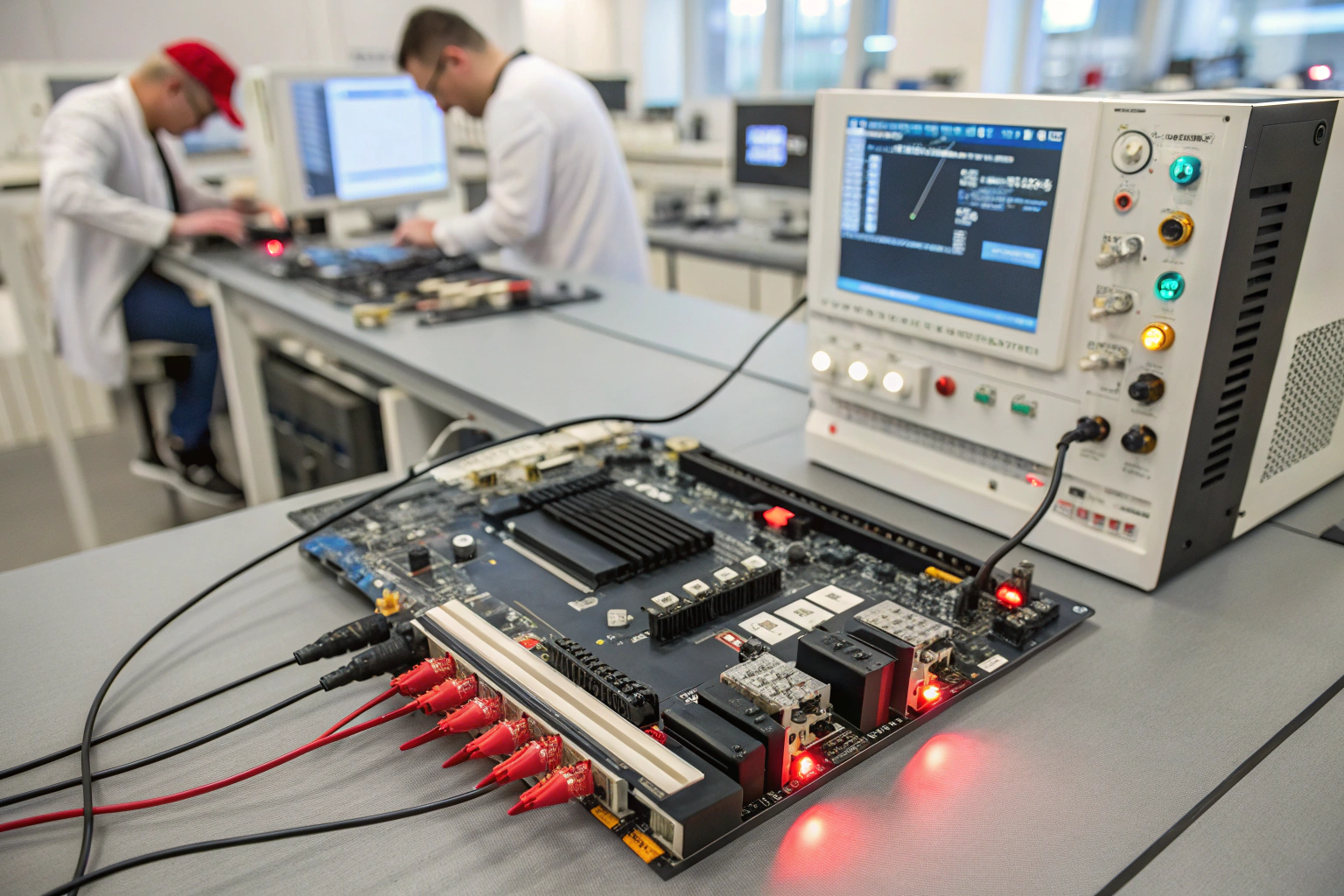
Such failures are harder to detect because the board may appear functional during short tests. Long-duration aging tests and functional cycling are essential in identifying these problems.
In manufacturing practice, aging tests simulate real working conditions. Boards are powered on for extended periods while monitoring temperature, voltage stability, and communication signals. This step helps ensure consistency between prototype and mass production, reducing field failure risks.
Do diagnostic tools or POST codes indicate motherboard failure?
Modern motherboards often provide POST codes, debug LEDs, or diagnostic ports. Failure to pass POST or repeated error codes related to chipset or memory initialization often indicate motherboard-level issues.
Professional test fixtures and firmware tools are used in factories to read these signals accurately. Engineers combine firmware logs with electrical measurements to pinpoint failure points.
In a manufacturing setting, firmware loading and verification are part of the standard process. Boards that fail at this stage are analyzed for solder defects, component mismatch, or ESD damage. Strict ESD control in workshops is critical to prevent invisible damage that may only appear after deployment.
Can manufacturing defects cause a motherboard to appear fried?
Not all fried motherboard symptoms are caused by end-use electrical accidents. Manufacturing-related issues can also lead to early failure.

Typical examples include insufficient solder paste, tombstoned components, micro-cracks under BGA packages, or incorrect reflow profiles. These defects may pass initial testing but fail under real load.
Professional PCB assembly factories reduce these risks through controlled SMT lines, SPI inspection, AOI, X-ray for BGA, and strict process documentation. IPC-A-610 standards guide workmanship, while ISO-based quality systems ensure traceability from raw materials to finished products.
Conclusion
Determining whether a motherboard is fried requires a combination of visual inspection, electrical testing, functional verification, and process knowledge. Visible damage, power failure, abnormal heat, unstable behavior, and diagnostic errors are all key indicators. From a manufacturing standpoint, many motherboard failures can be traced back to power design, component quality, or assembly process control. A well-managed factory environment with standardized testing, controlled workshops, and experienced engineering support greatly reduces the chance of motherboard burnout and ensures stable, reliable electronic products throughout their lifecycle.
