
A motherboard can be ruined by electrical stress, thermal damage, mechanical force, environmental factors, or manufacturing defects. Understanding these risks helps explain why some boards fail early while others remain stable for years under the same operating conditions.
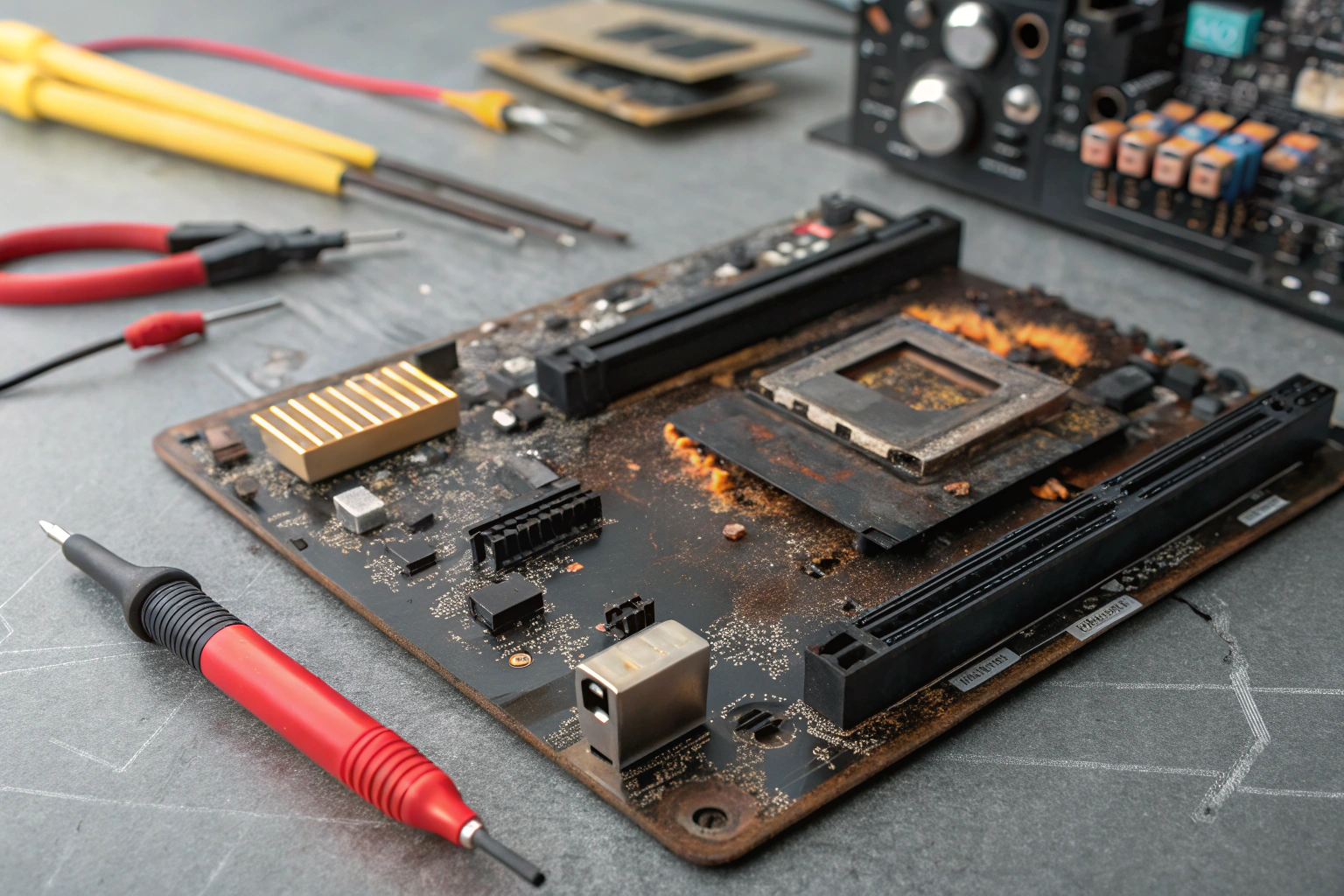
As the central platform that connects power, processing, memory, and communication circuits, the motherboard determines the reliability of the entire electronic system. Once it is damaged, repair is often costly or impossible. In manufacturing and failure analysis practice, motherboard damage usually follows clear technical patterns rather than random accidents. The sections below explain the most common causes in detail.
Can power surges and unstable voltage ruin a motherboard?
Electrical stress is one of the most frequent causes of motherboard failure. Sudden power surges, voltage spikes, or unstable input power can exceed the tolerance of onboard components, especially voltage regulators, MOSFETs, and power management ICs.
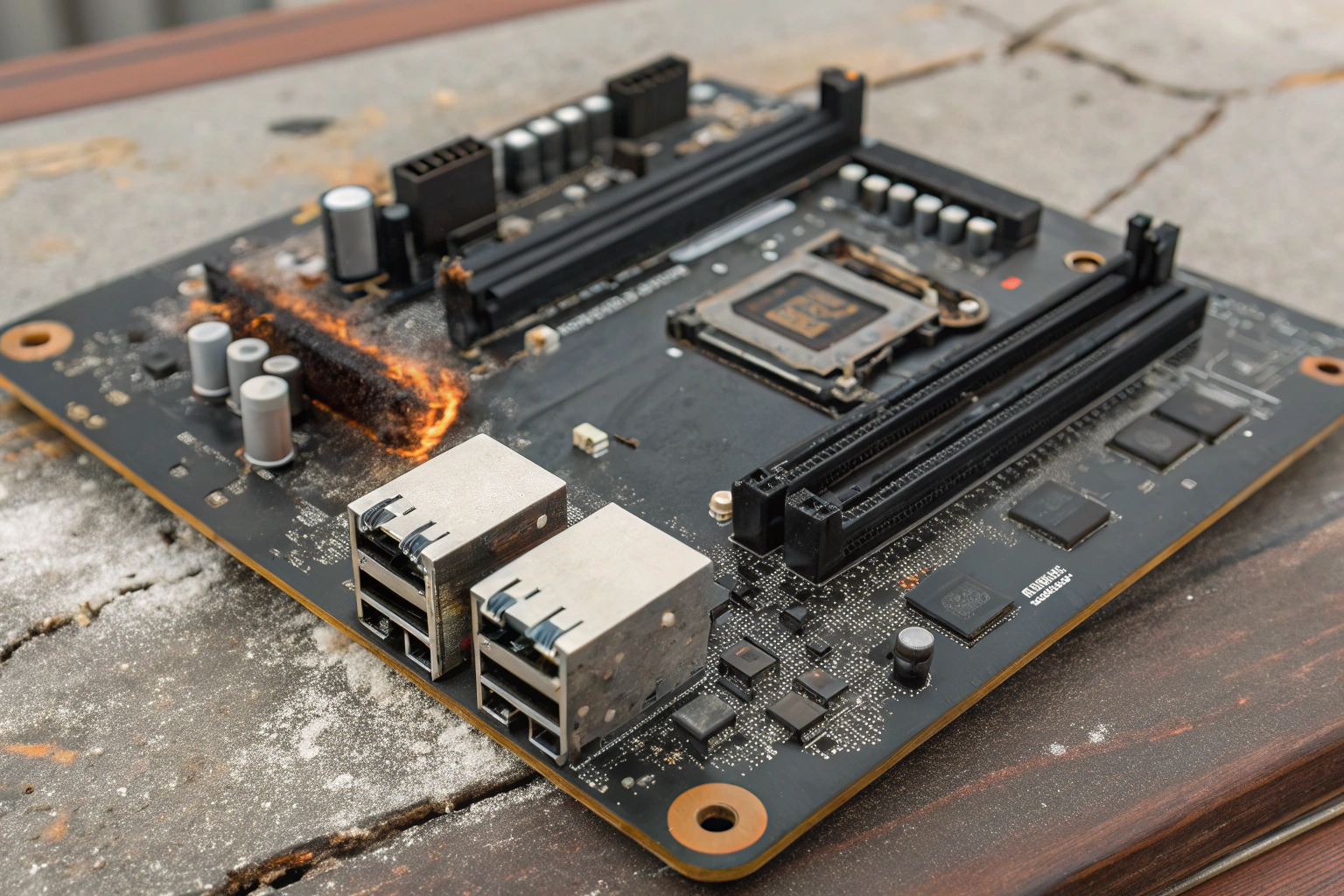
Poor-quality power adapters, incorrect wiring, or lightning-induced surges often result in immediate burnout. In some cases, repeated minor overvoltage gradually degrades components until failure occurs. This type of damage often appears near the power input area, where copper traces and components show discoloration or cracking.
In professional manufacturing workshops, incoming power protection is verified at both design and assembly stages. Surge protection devices, TVS diodes, and proper grounding are reviewed during engineering checks. During testing, power-on procedures follow strict current limits to prevent accidental damage. Stable power design and controlled testing environments significantly reduce electrical stress-related failures.
Does overheating permanently damage a motherboard?
Excessive heat is another major factor that can ruin a motherboard. High temperatures accelerate material aging, weaken solder joints, and reduce the lifespan of ICs. Prolonged overheating may cause PCB delamination or internal layer damage that cannot be repaired.
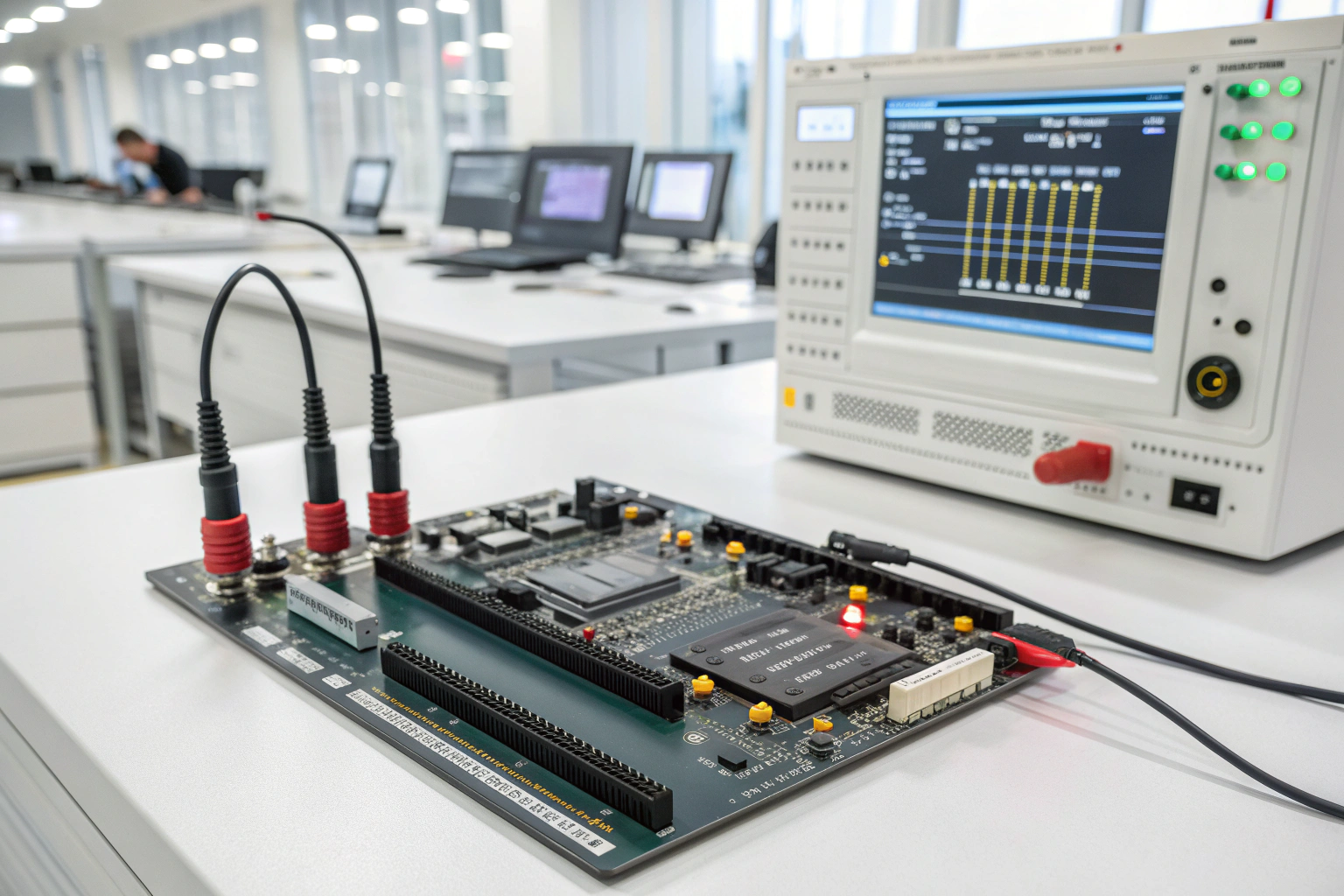
Overheating often results from poor thermal design, blocked airflow, or overloaded circuits. In compact designs, insufficient copper thickness or inadequate heat dissipation paths increase thermal risk.
In manufacturing environments, thermal control begins at the PCB design review stage. Copper balance, thermal vias, and component placement are evaluated carefully. During SMT production, reflow profiles are strictly controlled to avoid thermal shock. Finished boards undergo functional and thermal stress tests to confirm stable operation under rated load conditions. These processes help ensure long-term reliability in real-world applications.
Can liquid exposure or humidity destroy a motherboard?
Liquid damage is a well-known cause of motherboard failure. Water, condensation, or chemical exposure can create short circuits, corrosion, and insulation breakdown. Even small amounts of moisture can cause long-term damage if not addressed immediately.
High humidity environments accelerate oxidation of solder joints and connector pins. Corrosion may not cause instant failure but can slowly degrade signal quality and power stability.
In controlled factory workshops, humidity levels are monitored continuously. Sensitive components are stored in dry cabinets, and moisture-sensitive devices follow strict baking and handling rules. Conformal coating processes may be applied for products intended for harsh environments. These preventive measures greatly reduce the risk of moisture-related motherboard damage.
Can physical stress or improper handling ruin a motherboard?
Mechanical stress is often underestimated but can be highly destructive. Dropping, bending, or applying uneven force can crack PCB layers or damage solder joints, especially under BGA and fine-pitch components.
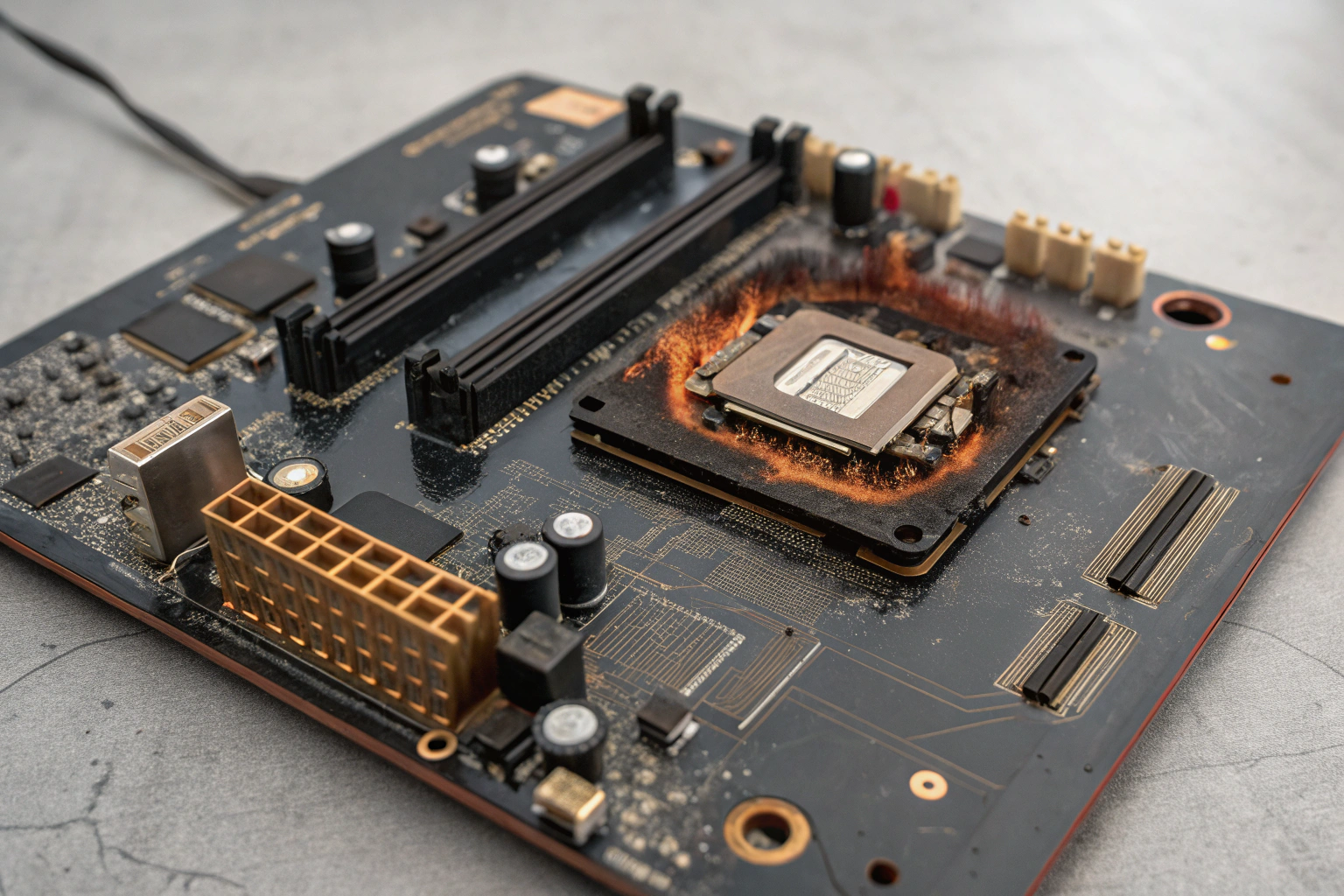
Improper installation, excessive torque on mounting screws, or cable strain can also cause micro-fractures. These defects may not be visible but often lead to intermittent failures later.
In manufacturing and assembly workshops, ESD-safe workstations and standardized handling procedures are mandatory. Boards are transported using dedicated fixtures to avoid bending. X-ray inspection is used to detect hidden cracks or voids under critical components. Mechanical reliability testing further ensures that boards can withstand normal installation and operation stresses.
Do poor components or incorrect materials lead to motherboard failure?
Component quality plays a critical role in motherboard reliability. Low-grade capacitors, counterfeit ICs, or unsuitable PCB materials can cause early failure even if assembly quality is acceptable.
Incorrect material selection, such as low-Tg laminates for high-temperature applications, increases the risk of warping and delamination. Mismatched component specifications may also result in electrical overstress during operation.
In professional manufacturing operations, material sourcing follows strict qualification procedures. Approved vendors, incoming inspection, and traceability systems ensure component authenticity and consistency. BOM verification and substitution evaluation are handled by engineering teams to avoid compatibility issues. These controls are essential for maintaining stable motherboard performance across production batches.
Can manufacturing process defects ruin a motherboard?
Manufacturing defects are a hidden but significant cause of motherboard failure. Issues such as insufficient solder paste, solder bridging, cold joints, or misaligned components can weaken electrical and mechanical connections.
Some defects pass initial testing but fail under vibration, temperature cycling, or long-term operation. Micro-cracks under BGA packages are especially difficult to detect without X-ray inspection.
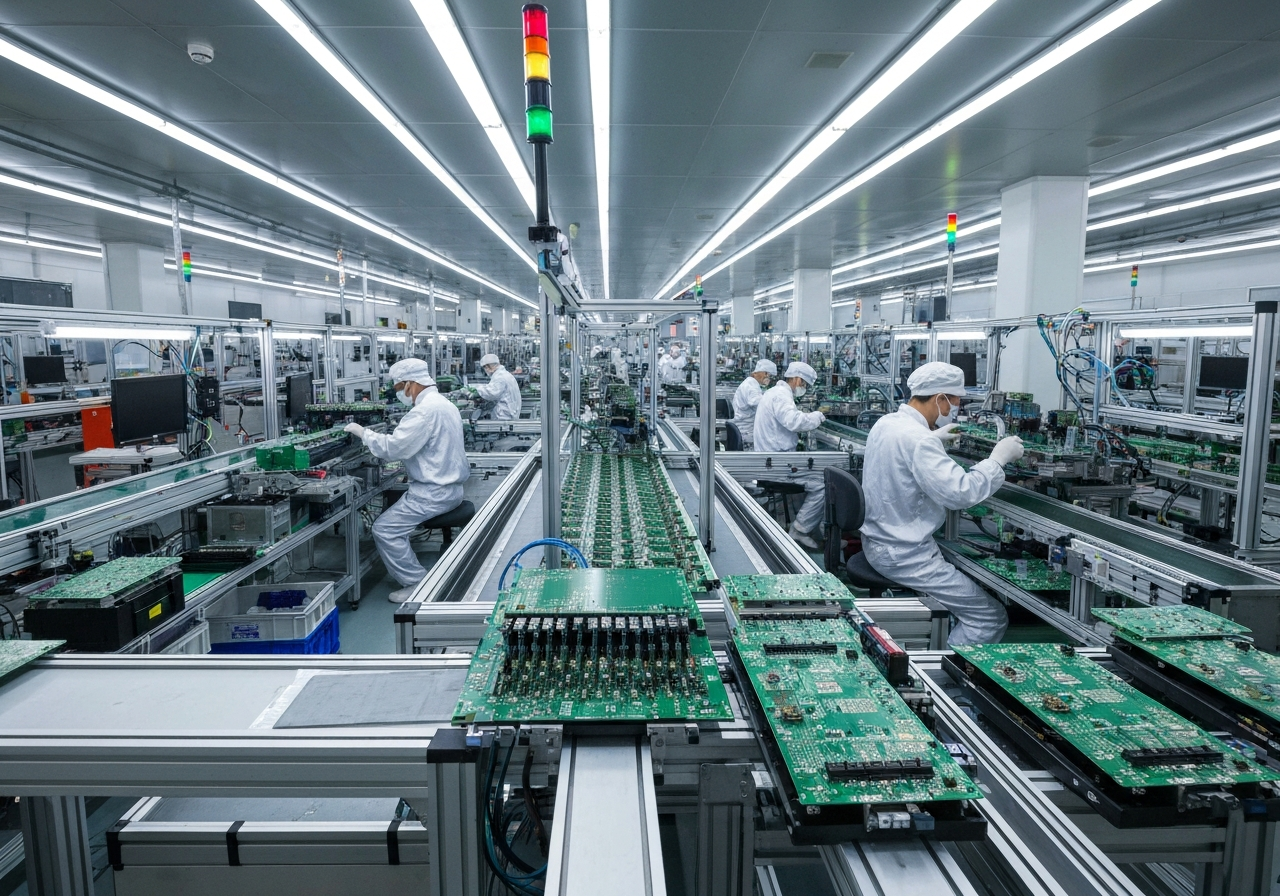
In modern SMT factories, process control is built into every step. Solder paste inspection, automated optical inspection, and X-ray analysis work together to catch defects early. Functional testing, in-circuit testing, and aging tests further verify board stability. Standardized process documents and experienced technicians ensure consistent quality from prototype builds to volume production.
Conclusion
A motherboard can be ruined by electrical stress, heat, moisture, mechanical force, poor materials, or manufacturing defects. These factors often interact rather than occur alone, accelerating failure when combined. From a manufacturing perspective, most motherboard damage can be traced back to controllable risks, including design decisions, material selection, and process discipline. Controlled factory workshops, standardized SMT processes, strict inspection systems, and comprehensive testing form the foundation of reliable motherboard production. By addressing potential failure points early and maintaining stable production conditions, motherboard reliability can be greatly improved, reducing field failures and extending product lifespan in demanding electronic applications.
