
A control board is the core unit responsible for logic processing, signal control, and system coordination in electronic equipment. When a control board fails, the entire product may stop working or behave unpredictably. In manufacturing environments, repairing a control board is a technical decision based on failure type, process capability, and long-term reliability rather than a simple yes-or-no answer.
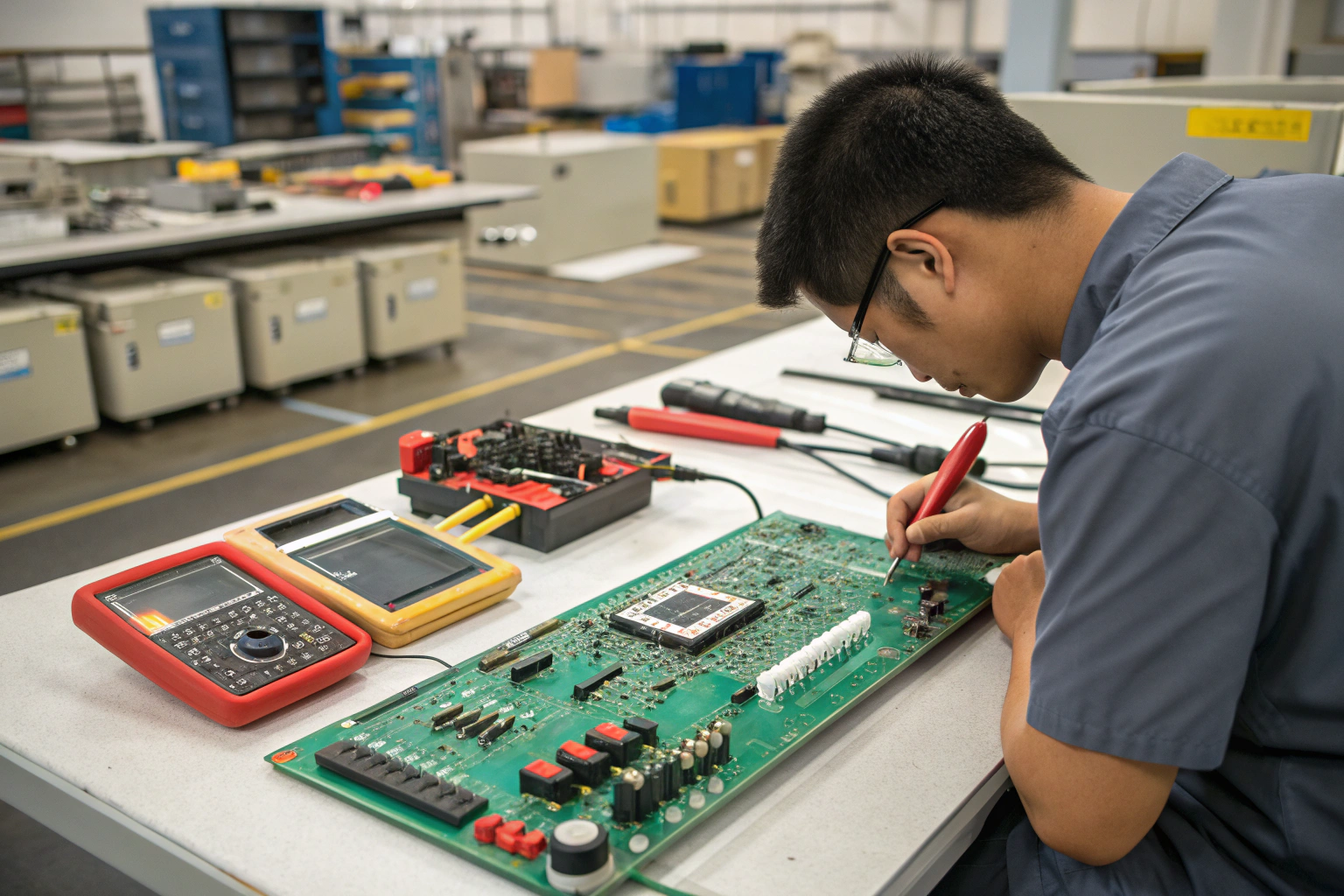
Control board repair is common in controlled factory settings, especially during prototyping, pilot runs, and early production stages. However, not all failures are repairable, and not all repairs are acceptable for long-term use. The following sections explain when a control board can be repaired, how repairs are performed in workshops, and when replacement becomes the preferred option.
What Types of Control Board Failures Are Repairable?
Not all control board failures are equal. Repair feasibility depends heavily on the nature and location of the fault.
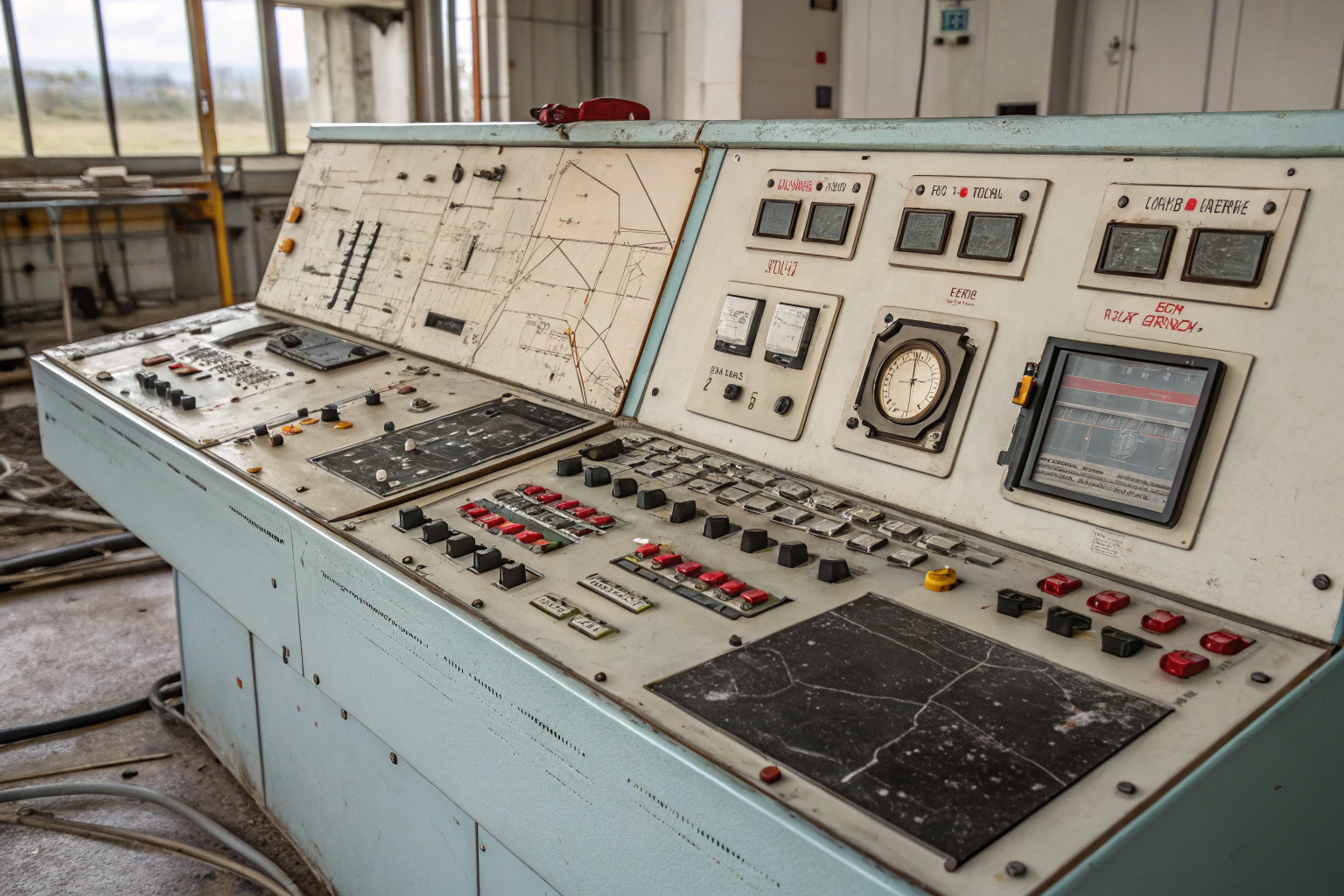
Repairable failures often include:
- Soldering defects such as cold joints or bridges
- Incorrect or damaged discrete components
- Connector or interface issues
- Localized trace damage on outer layers
- Assembly-related defects
In manufacturing workshops, these issues are typically detected through AOI, electrical testing, or functional testing. Because the core PCB structure remains intact, controlled rework can restore normal operation without compromising reliability.
Failures involving firmware corruption, minor component mismatch, or reworkable power-stage components are also candidates for repair, provided root causes are clearly identified.
Which Control Board Failures Are Not Suitable for Repair?
Some control board failures are considered non-repairable due to safety, reliability, or structural risks.
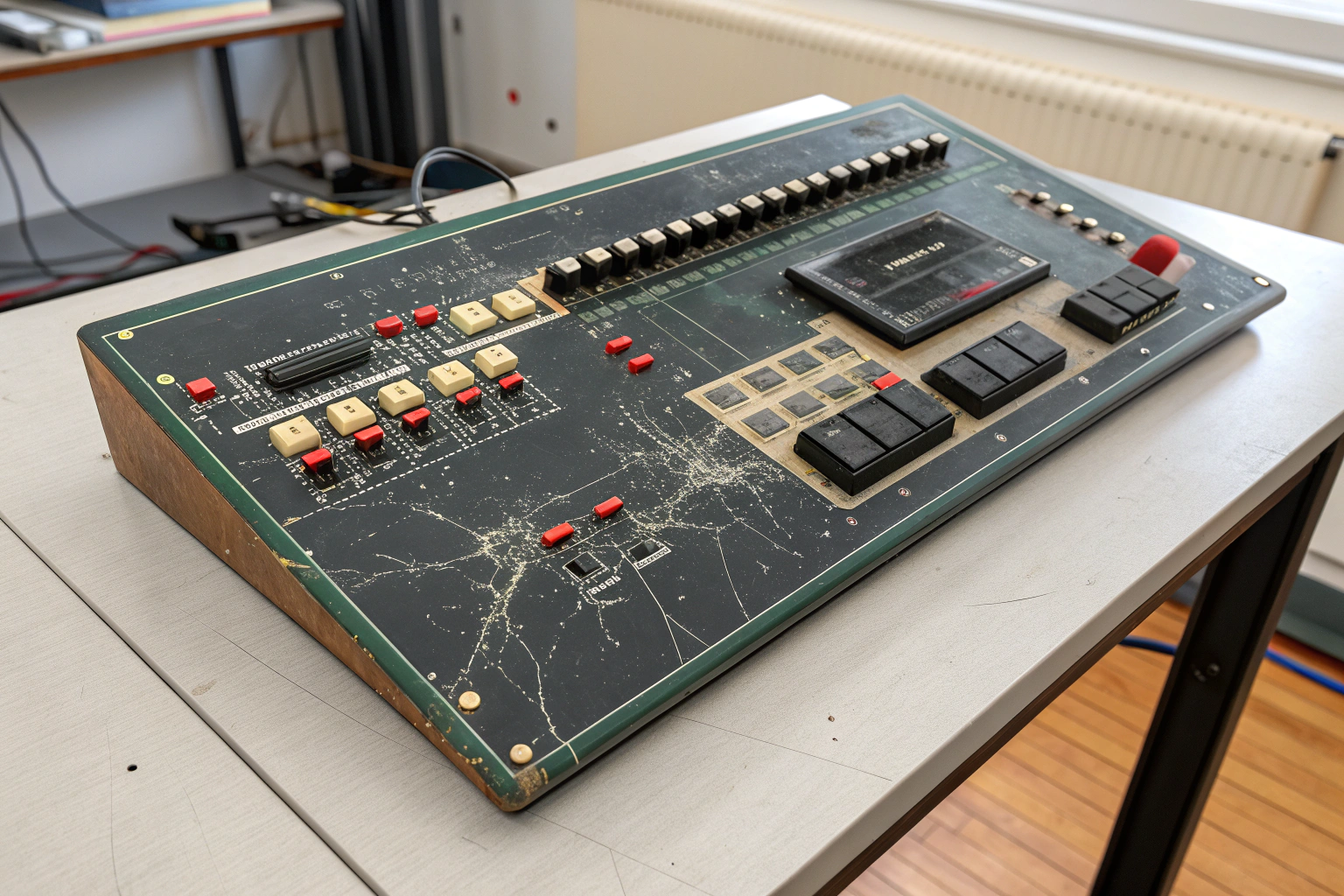
Non-repairable cases usually include:
- Burnt or carbonized PCB material
- Inner-layer short circuits or opens
- Severe delamination or cracking
- Repeated overheating damage
- High-voltage or safety-critical circuit damage
In these cases, repair may temporarily restore functionality but cannot guarantee long-term stability. Manufacturing quality systems typically classify such boards as scrap to prevent latent failures.
For products requiring long service life or operating under harsh conditions, even borderline repairable damage may be rejected to ensure consistent performance and safety compliance.
How Is Control Board Repair Performed in Factory Workshops?
When repair is approved, it is carried out under strict process control in dedicated rework areas.
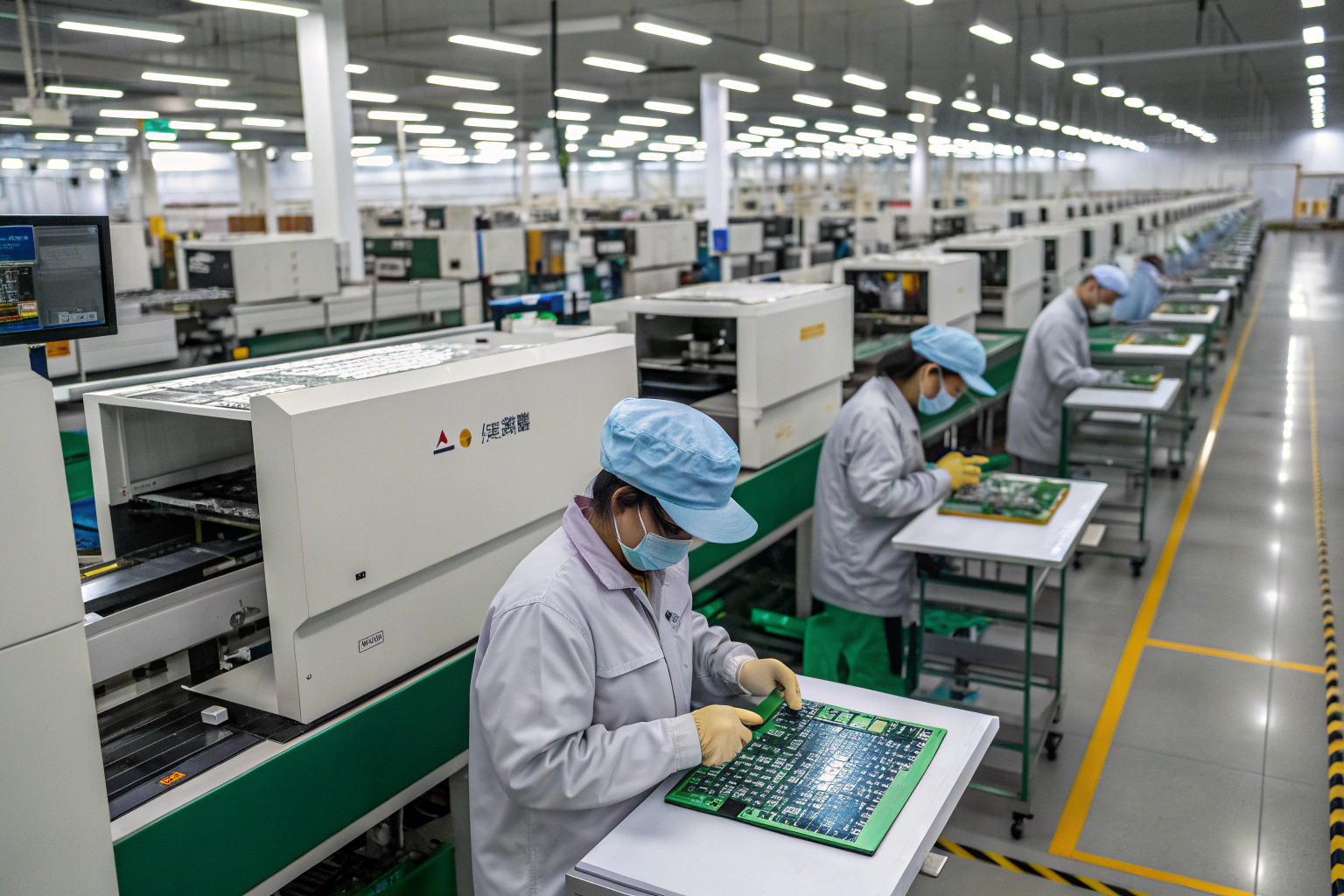
Standard repair steps include:
- Failure confirmation and documentation
- Root cause analysis by engineering teams
- Controlled component removal and replacement
- Trace repair or reinforcement if required
- Cleaning, inspection, and full retesting
Rework stations use ESD-safe environments, temperature-controlled soldering systems, microscopes, and approved materials. Carbonized or weakened PCB material is fully removed before repair to prevent future electrical leakage.
After rework, the control board must pass the same electrical and functional tests as a new unit. Repair records are maintained for traceability and quality audits.
How Do Manufacturing Processes Influence Repair Success?
Repair success is closely linked to overall manufacturing process quality.
Key influencing factors include:
- SMT placement accuracy
- Solder paste consistency
- Reflow temperature profile control
- Component storage and handling conditions
- Operator training and process discipline
In professional workshops, process data is reviewed whenever repairs are required. Repeated failures often indicate upstream process weaknesses rather than isolated defects.
Facilities with integrated SMT, testing, and engineering teams can quickly adjust process parameters, reducing defect recurrence and improving overall yield. Strong process control increases both repair effectiveness and long-term board reliability.
When Is Control Board Repair Economically and Technically Justified?
Repair decisions are not based on technical feasibility alone. Cost, time, and risk are also considered.
Repair is typically justified when:
- Failure rate is low and isolated
- Replacement cost is high
- Repair does not compromise reliability
- Root cause is clearly understood
During early production stages, repair helps recover value and accelerate feedback for process improvement. In stable mass production, repeated repair may signal deeper design or process issues that require corrective action rather than continued rework.
Manufacturing teams balance repair effort against long-term quality objectives to ensure consistent output.
How Can Control Board Repair Be Reduced Through Process Design?
The most effective repair strategy is prevention. Manufacturing process design plays a decisive role in reducing control board failures.
Preventive measures include:
- Thorough design-for-manufacturing and testing reviews
- Clear assembly documentation
- Pilot runs and first-article validation
- Layered inspection and testing strategy
- Continuous process monitoring
When manufacturing processes are stable and well-controlled, repair rates drop significantly. Fault data from repaired boards is used to refine layouts, component choices, and assembly parameters, creating a closed-loop improvement system.
Conclusion
A control board can be repaired in many cases, but repair is a controlled engineering decision rather than a default action. In manufacturing environments, repair feasibility depends on failure type, structural integrity, process capability, and long-term reliability requirements. Minor assembly or component-related failures are often repairable under strict workshop controls, while structural or burnt damage usually leads to replacement. A mature manufacturing system treats control board repair as part of a broader quality strategy, using failure analysis and process improvement to reduce defects, protect reliability, and ensure stable production over the full product lifecycle.
