
Printed Circuit Board (PCB) failure is one of the most critical issues in electronic products. A failed PCB may stop working completely, behave intermittently, or show performance degradation over time. In manufacturing environments, PCB failure is treated as a system-level problem that involves design quality, material selection, workshop processes, and long-term operating conditions.
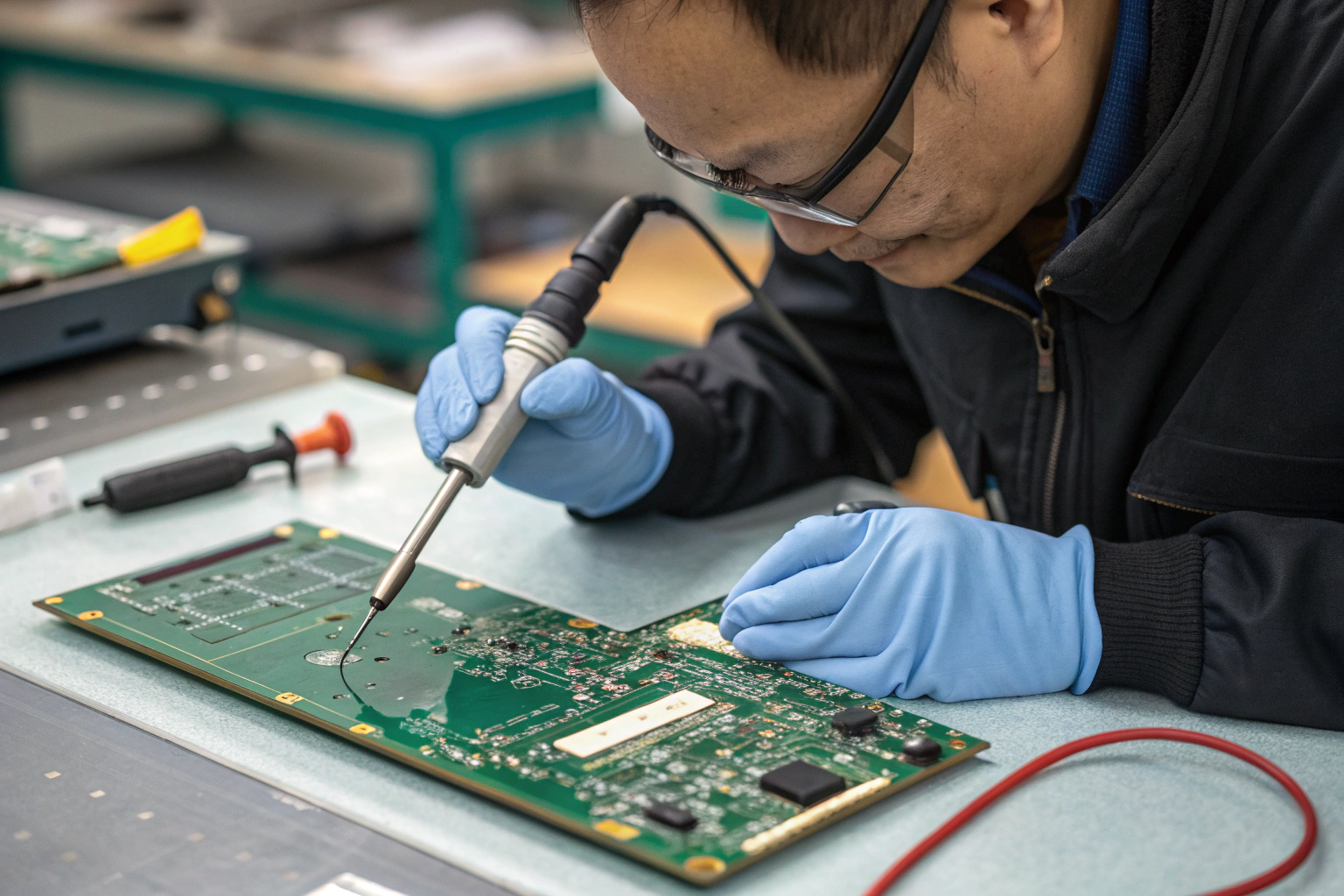
PCB failure rarely has a single cause. In most cases, it is the result of multiple factors accumulating across design, assembly, testing, and usage stages. Understanding these causes helps reduce failure rates, improve product stability, and strengthen overall manufacturing quality.
How Do Design Issues Lead to PCB Failure?
Design weaknesses are one of the earliest sources of PCB failure. If risks are introduced at the design stage, manufacturing processes can only partially compensate.
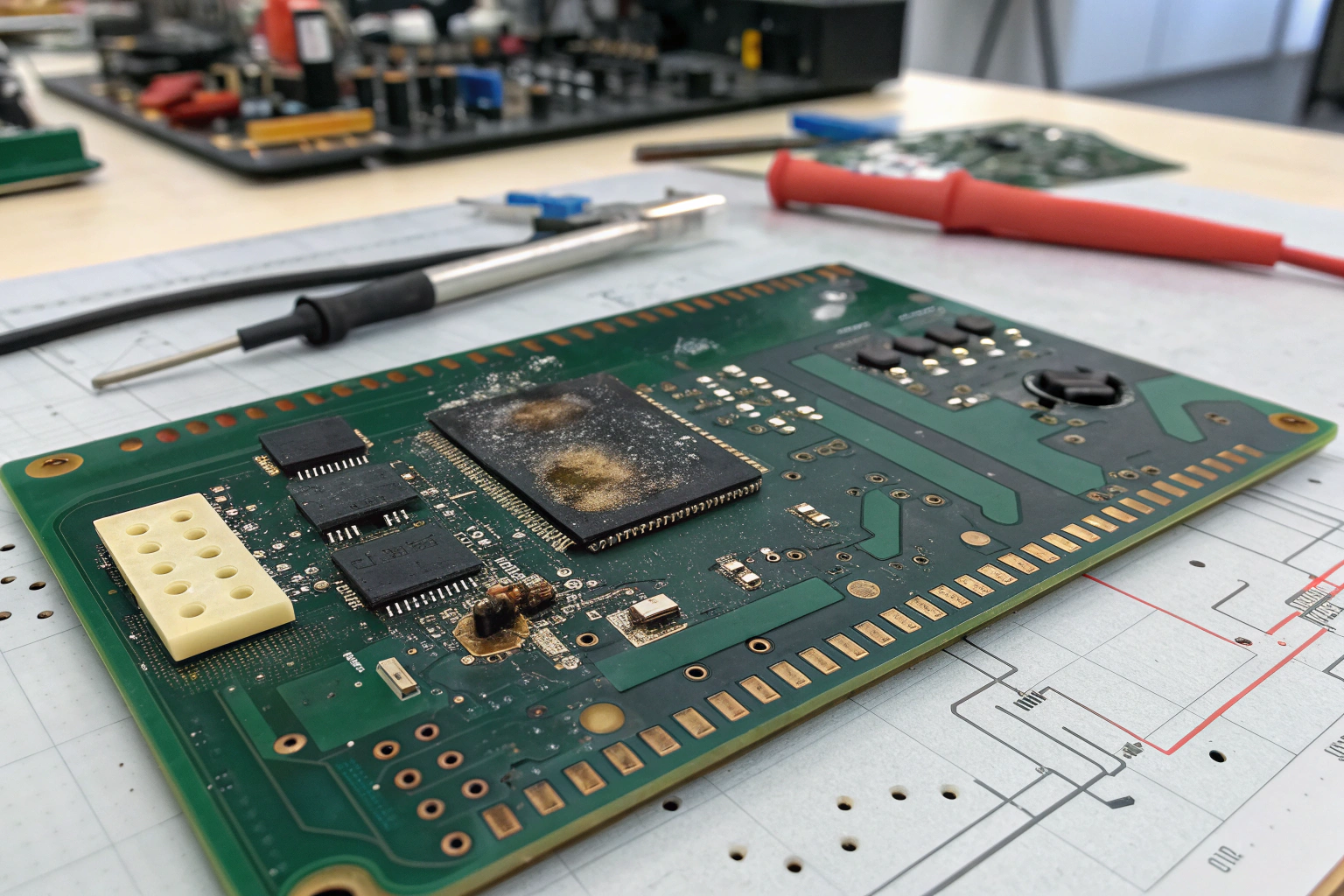
Common design-related causes include:
- Insufficient trace width for current load
- Poor power and ground plane design
- Inadequate thermal management
- Weak signal integrity or impedance control
- Lack of design-for-manufacturing and testing considerations
When current capacity is underestimated, traces may overheat and degrade over time. Poor grounding can introduce noise, unstable logic behavior, or communication errors. In manufacturing environments, these issues often surface during functional testing or burn-in rather than initial assembly.
Design reviews and early engineering validation are critical. A PCB that passes layout checks but ignores real operating stress is highly vulnerable to early failure.
How Do Component and Material Problems Cause PCB Failure?
Component quality and material stability directly affect PCB lifespan and reliability.
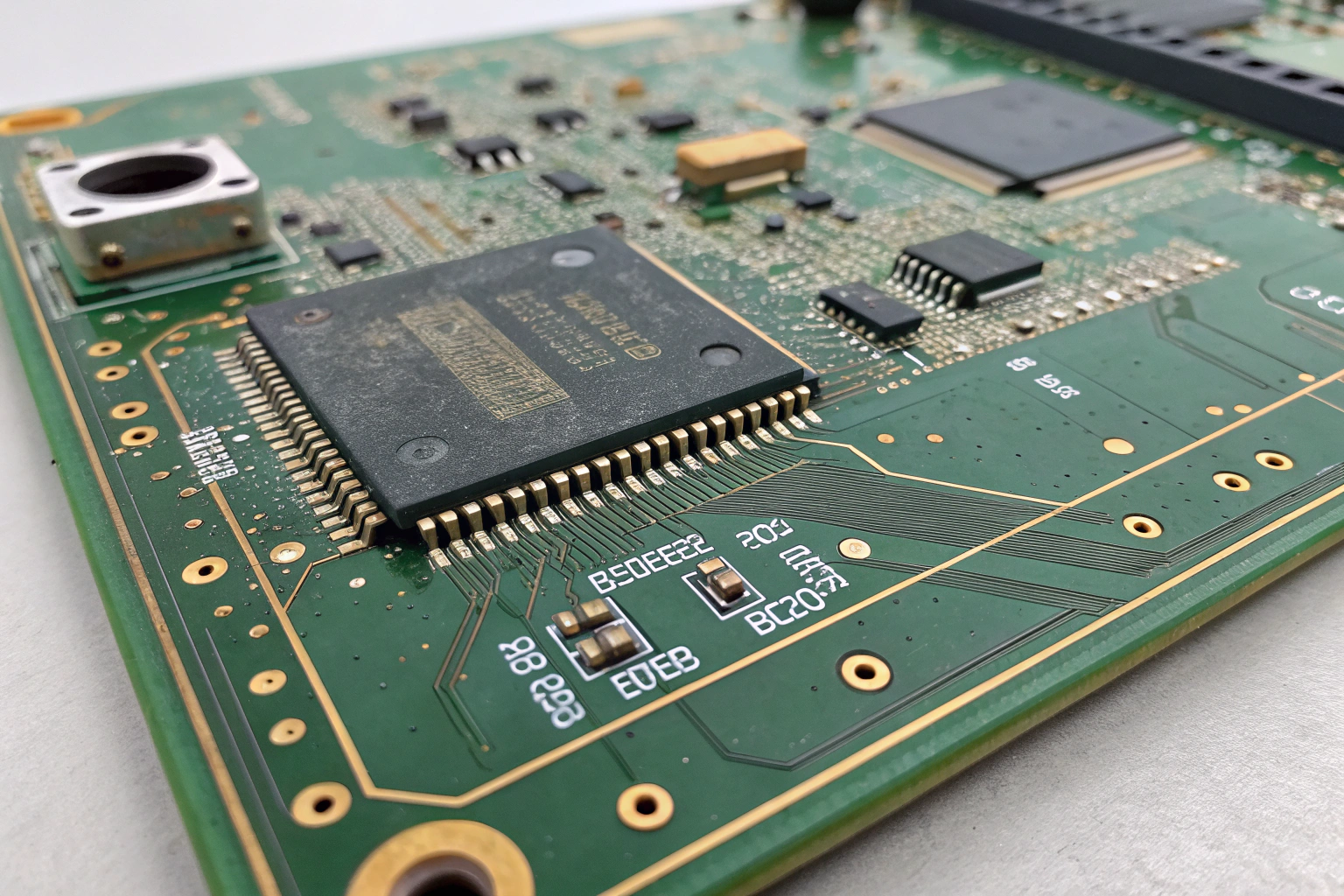
Typical material-related failure causes include:
- Defective or counterfeit components
- Incorrect component ratings
- Moisture-sensitive device damage
- PCB laminate quality issues
- Oxidation or contamination
In factory workshops, components are stored and handled under controlled conditions to reduce these risks. Improper storage of moisture-sensitive components can lead to internal cracking during reflow soldering, resulting in latent failures.
PCB base materials also matter. Low-quality laminates may delaminate, crack, or degrade under thermal cycling. Manufacturing quality systems track material batches and supplier performance to prevent repeated failures from the same source.
How Do Assembly and Soldering Processes Contribute to PCB Failure?
Assembly quality is one of the most visible contributors to PCB failure.
Common assembly-related causes include:
- Cold solder joints
- Solder bridges and shorts
- Insufficient solder volume
- Component misalignment
- Excessive rework damage
In SMT workshops, solder paste printing accuracy, placement precision, and reflow temperature profiles must remain stable. Even small deviations can result in weak solder joints that pass initial tests but fail under vibration or thermal stress.
Repeated rework further increases failure risk. Excessive heating weakens pads and traces, reducing mechanical strength. Manufacturing teams monitor rework rates closely, as high rework is often a warning sign of deeper process instability.
How Do Electrical Stress and Power Issues Cause PCB Failure?
Electrical stress is a major cause of both immediate and long-term PCB failure.
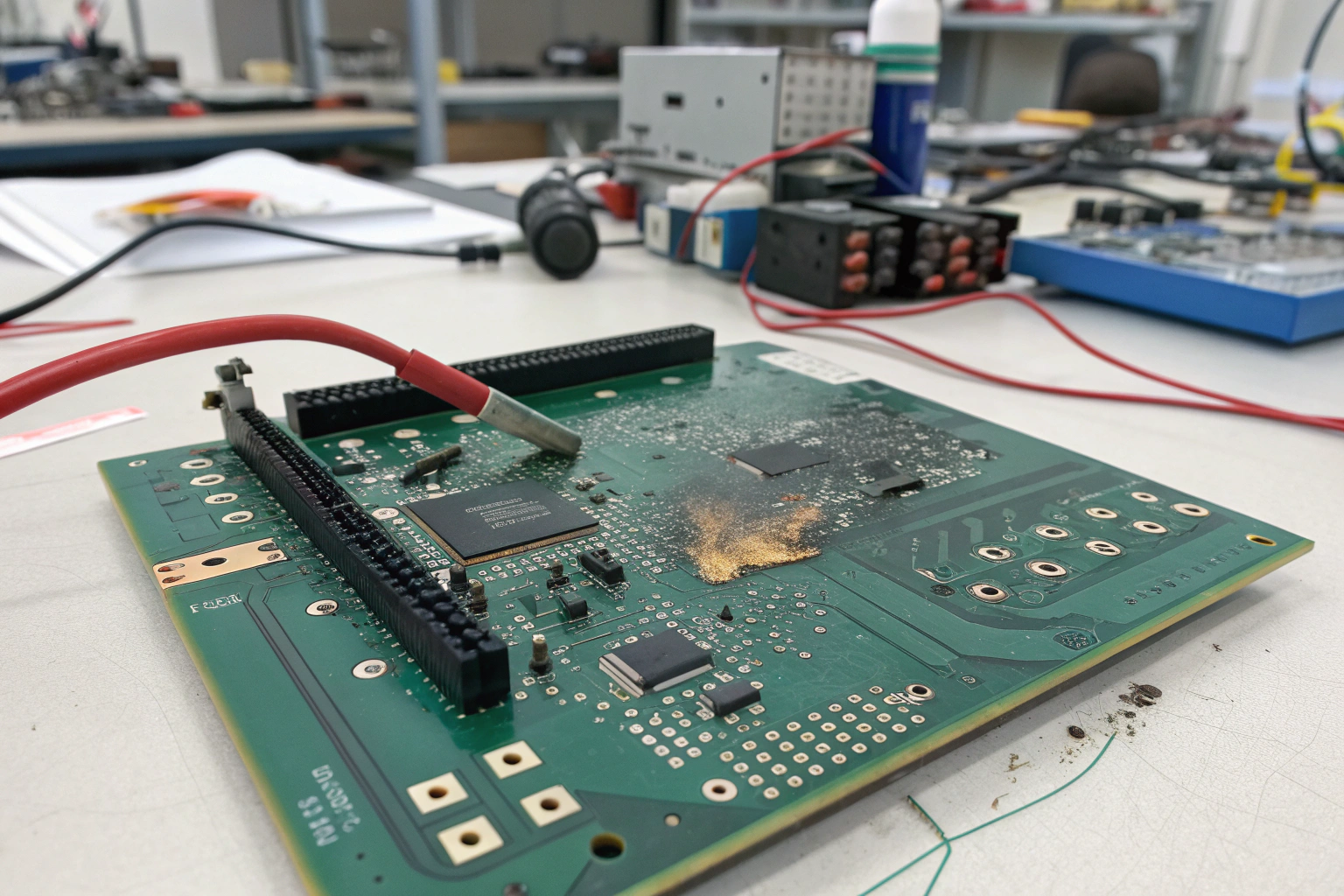
Electrical failure mechanisms include:
- Overvoltage and overcurrent damage
- Short circuits and arcing
- Inadequate protection circuitry
- Power surge or transient exposure
In manufacturing testing stages, current-limited power supplies are used to reduce catastrophic damage. However, if power design margins are too small, repeated electrical stress during real operation can still lead to failure.
Burnt traces, damaged regulators, and carbonized PCB material are common results of uncontrolled electrical stress. Once PCB substrate carbonizes, the board becomes unreliable and often non-repairable.
How Do Environmental Conditions Lead to PCB Failure?
Environmental exposure plays a major role in PCB reliability, especially for products used over long periods.
Environmental failure factors include:
- High humidity and moisture ingress
- Temperature cycling and thermal shock
- Corrosive atmospheres
- Dust and contamination
In manufacturing facilities, humidity control and clean handling reduce early contamination risks. However, if PCB coatings, sealing, or material choices are insufficient, environmental stress can slowly degrade performance.
Corrosion may increase resistance, cause leakage currents, or lead to intermittent faults that are difficult to diagnose. Environmental testing and material selection are essential to prevent these hidden failures.
How Do Manufacturing Process Weaknesses Increase Failure Risk?
Manufacturing process control determines whether design and material quality can be translated into reliable products.
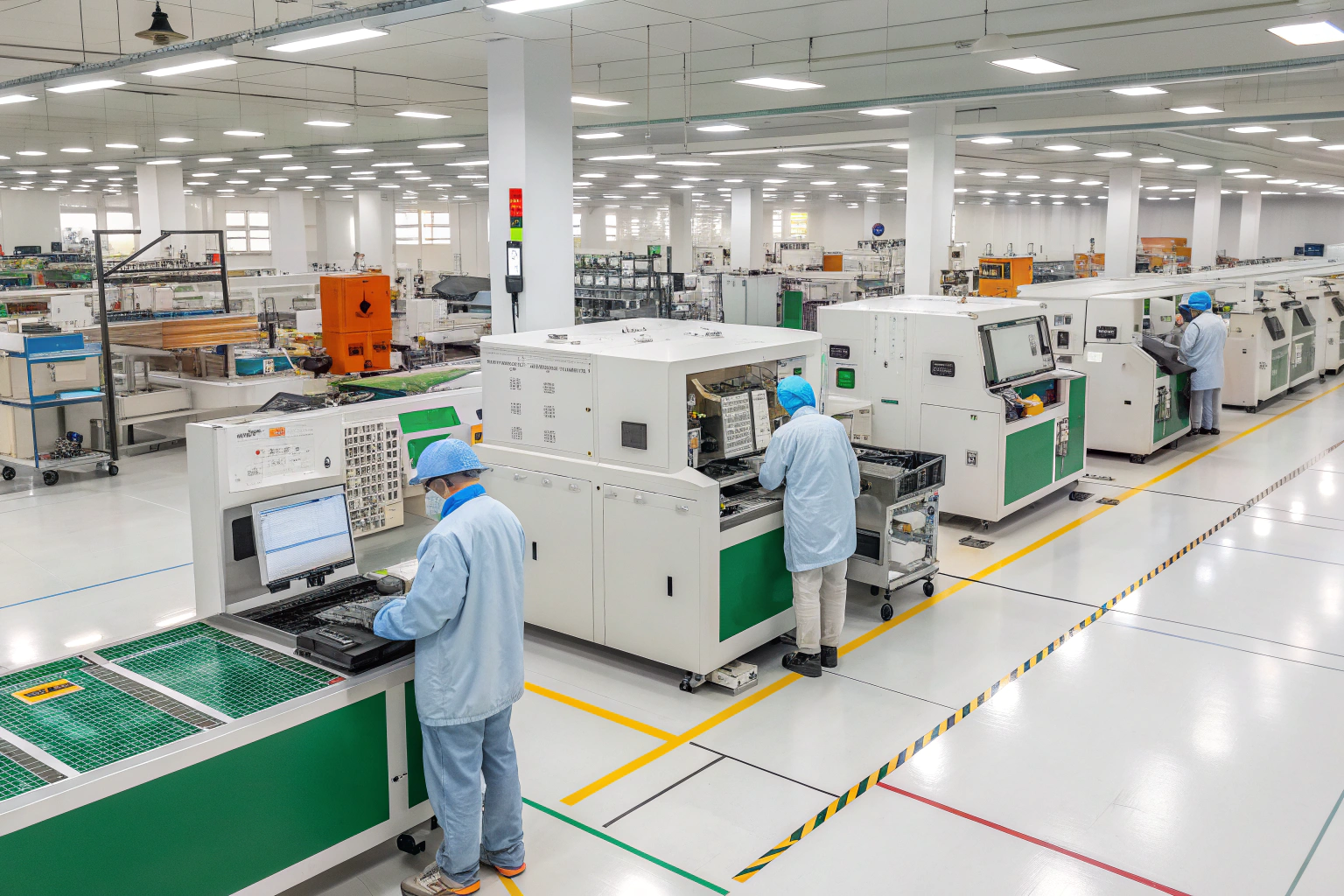
Process-related failure causes include:
- Inconsistent machine calibration
- Poor ESD protection
- Inadequate inspection coverage
- Weak traceability and documentation
In professional workshops, process parameters are monitored continuously. AOI, electrical testing, and functional testing form multiple defense layers against defects.
When failures occur repeatedly at the same points, manufacturing engineers analyze process data to identify root causes. Strong process discipline reduces variation, improves yield, and prevents small issues from becoming large-scale failures.
Conclusion
PCB failure is rarely caused by a single mistake. It is usually the result of combined weaknesses in design, components, assembly processes, electrical stress handling, environmental protection, and manufacturing control. In manufacturing environments, every PCB failure is treated as valuable feedback rather than an isolated defect. By strengthening design validation, controlling workshop processes, improving material management, and applying layered testing strategies, PCB failure rates can be significantly reduced. A mature manufacturing system focuses not only on fixing failed boards but also on building processes that prevent failure from the very beginning and ensure stable, reliable performance throughout the product’s entire lifecycle.
