
PCB repair refers to a controlled engineering process used to restore the electrical and functional performance of a Printed Circuit Board that has developed defects during manufacturing, testing, or early use. In professional manufacturing environments, PCB repair is not an improvised action. It is a standardized activity governed by process rules, quality criteria, and reliability requirements.
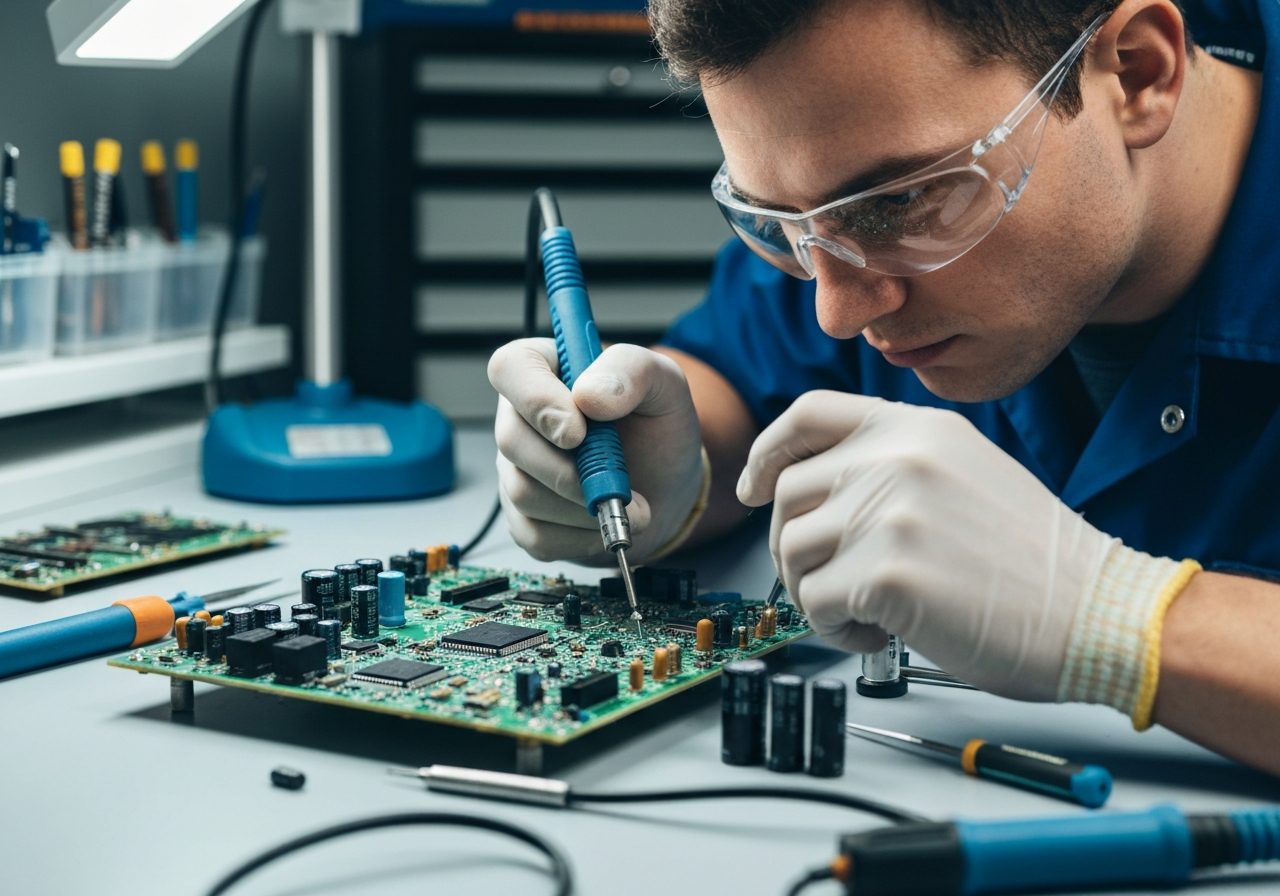
A PCB repair aims to correct specific defects while preserving the original design intent and long-term stability of the board. Repair decisions are made after technical evaluation and are closely linked to workshop capability, process maturity, and product quality standards.
How Is PCB Repair Defined in Manufacturing?
In manufacturing terms, PCB repair is the process of correcting localized defects on an assembled circuit board without redesigning or fully remanufacturing the board.

PCB repair typically involves:
- Restoring electrical continuity
- Correcting assembly or soldering defects
- Replacing defective components
- Revalidating board functionality
A board is considered repaired only after it meets the same electrical and functional acceptance criteria as a new board. Cosmetic improvement alone does not qualify as a valid repair. Manufacturing quality systems define clear boundaries between acceptable repair, rework, and scrap to ensure reliability is not compromised.
What Types of Defects Are Addressed by PCB Repair?
PCB repair focuses on defects that are localized and technically recoverable. These defects usually occur during assembly or early testing stages.
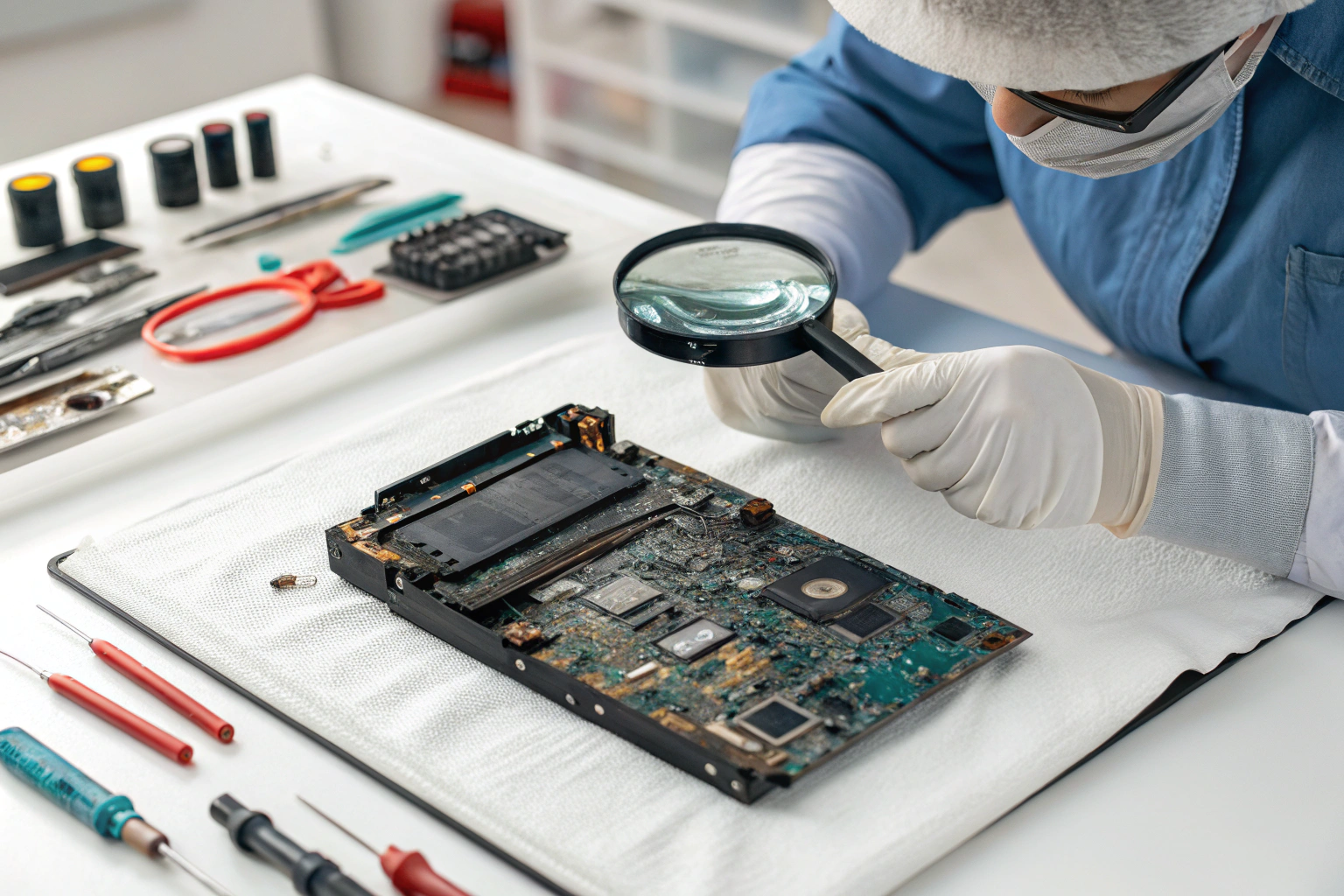
Common repairable defects include:
- Cold solder joints and solder bridges
- Misaligned or reversed components
- Damaged discrete components
- Broken outer-layer traces or pads
- Connector or interface solder issues
Defects involving inner-layer damage, severe burning, or structural delamination are typically excluded from repair. In manufacturing workshops, defect classification is performed before any repair action to prevent unreliable boards from returning to production flow.
How Is PCB Repair Performed in Factory Workshops?
PCB repair is carried out in dedicated rework areas under strict process control.
Standard repair steps include:
- Failure confirmation and documentation
- Root cause analysis by engineering teams
- Controlled removal of defective materials
- Component replacement or trace restoration
- Cleaning, inspection, and retesting
Rework stations are equipped with ESD protection, microscopes, temperature-controlled soldering tools, and approved repair materials. Carbonized PCB material is fully removed before any electrical restoration to avoid leakage or future short circuits.
Each repaired PCB must undergo electrical testing and functional testing. Repair records are maintained for traceability and quality audits.
How Do Manufacturing Processes Influence PCB Repair Quality?
The effectiveness of PCB repair depends heavily on overall manufacturing process quality.
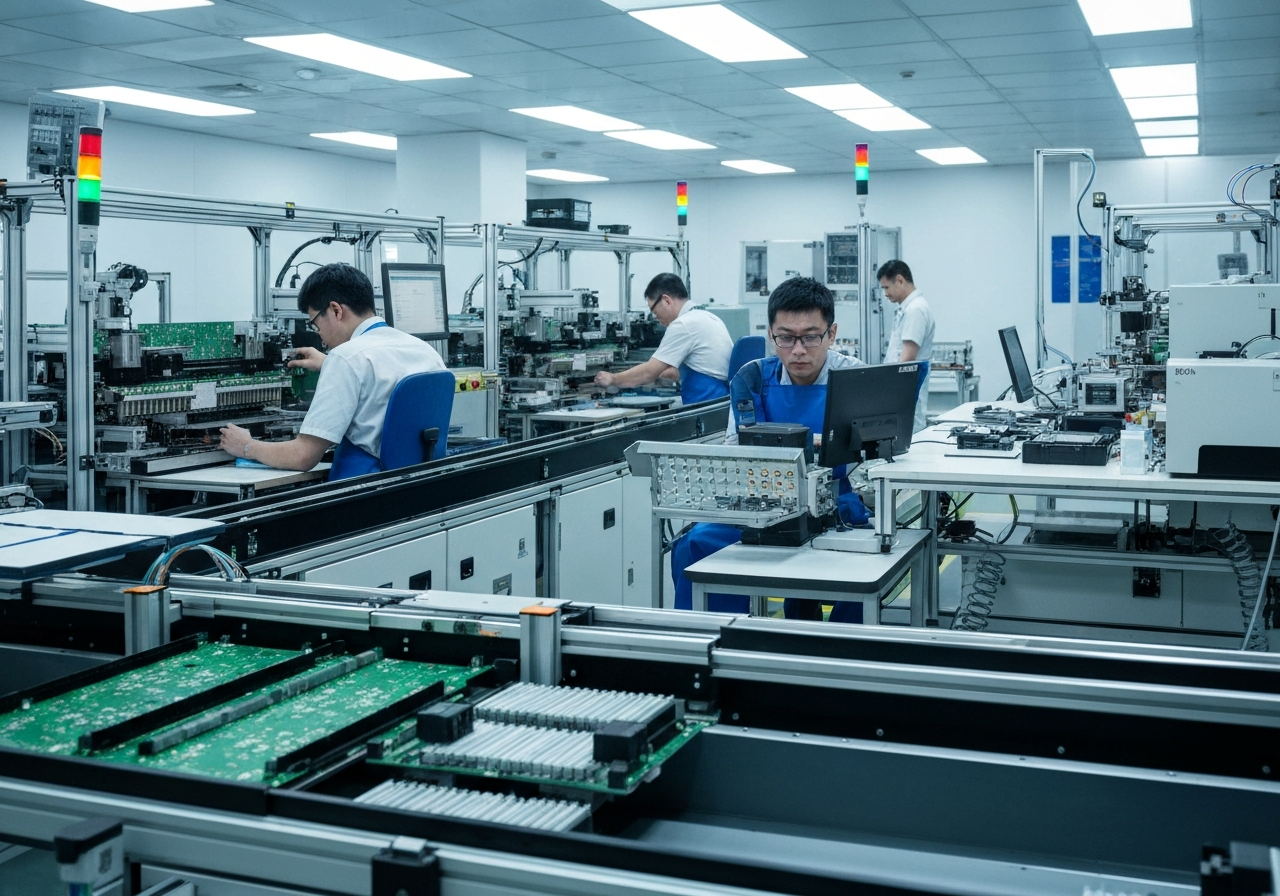
Key process influences include:
- SMT placement accuracy
- Solder paste printing stability
- Reflow temperature profile control
- Operator training and handling discipline
When manufacturing processes are stable, repair rates remain low and repairs are predictable. High repair frequency often indicates upstream process issues such as stencil design problems or placement drift.
Manufacturing engineers use repair data to improve process parameters and reduce defect recurrence. In this way, PCB repair becomes part of a continuous improvement system rather than a standalone activity.
What Are the Limits and Risks of PCB Repair?
PCB repair has clear technical and reliability limits. Not every board should be repaired, even if repair is possible.
Repair risks include:
- Reduced mechanical strength
- Altered signal integrity
- Increased susceptibility to environmental stress
- Hidden damage from repeated heating
Manufacturing quality standards define maximum repair counts and restricted areas where repair is not allowed. Boards that exceed these limits are classified as scrap to protect long-term product reliability.
Repair decisions balance cost recovery against performance risk. For high-reliability applications, replacement may be preferred even when repair is technically feasible.
How Is PCB Repair Controlled by Quality Systems?
PCB repair is managed through documented quality procedures and acceptance criteria.
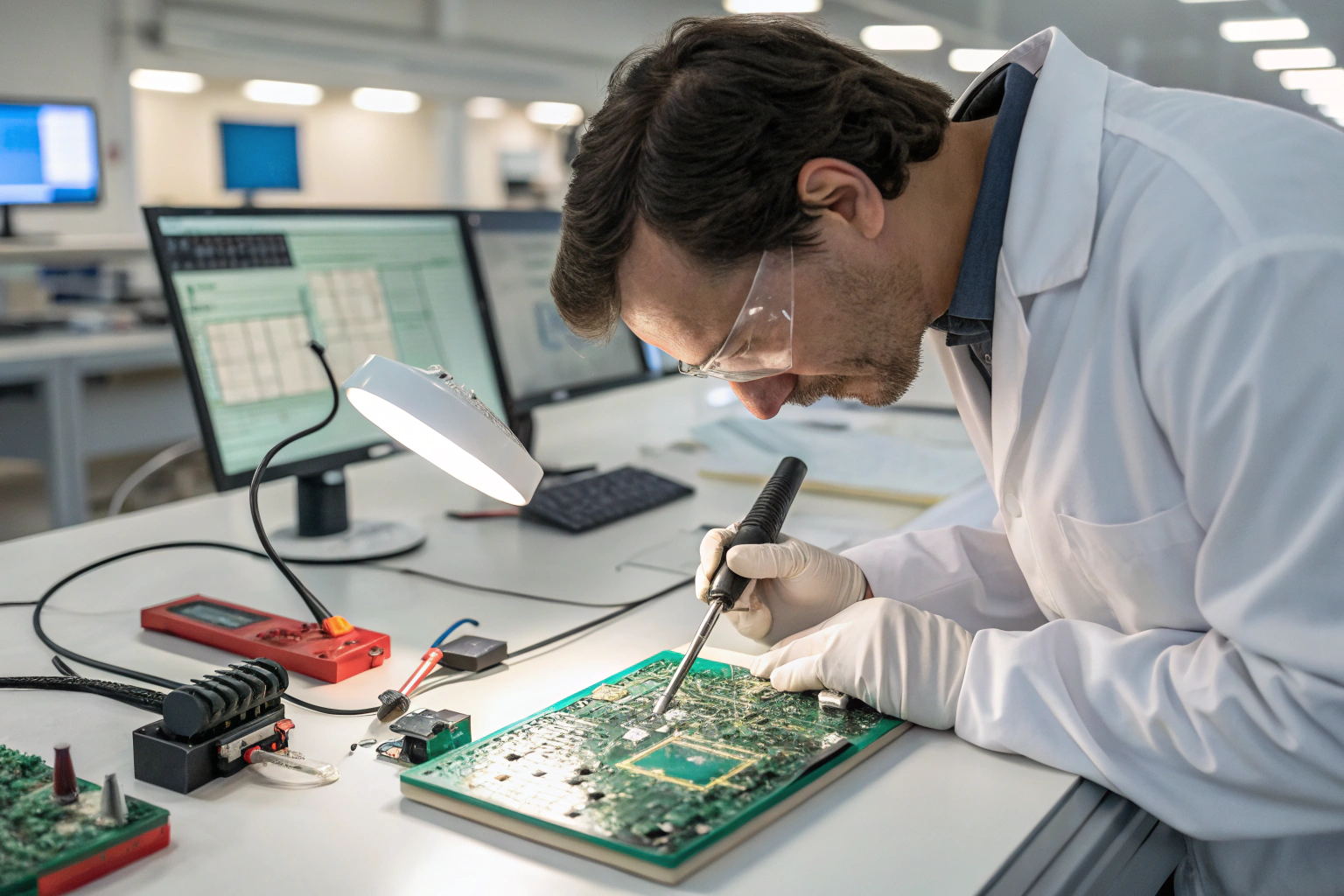
Quality control measures include:
- Defined repair instructions and tools
- Approval workflows for repair decisions
- Mandatory retesting after repair
- Repair traceability and reporting
Repair outcomes are reviewed by engineering and quality teams. Repeated repair patterns often trigger design reviews, process audits, or supplier evaluations. This structured approach ensures that repair improves overall quality rather than masking deeper issues.
Conclusion
PCB repair is a controlled manufacturing process used to restore the function of a circuit board with localized, recoverable defects. It is not a shortcut or a cosmetic fix, but an engineering activity governed by strict process rules, workshop controls, and quality standards. When applied correctly, PCB repair helps recover value, reduce waste, and support production stability. At the same time, mature manufacturing systems recognize the limits of repair and prioritize long-term reliability by combining disciplined repair practices with continuous process improvement and defect prevention.
