
Water exposure is one of the most underestimated threats to Printed Circuit Boards (PCBs). Even a small amount of moisture can lead to electrical failure, corrosion, or long-term reliability issues. In manufacturing environments, water damage is treated as a serious quality risk because its effects may not appear immediately and often lead to latent failures after assembly or deployment.
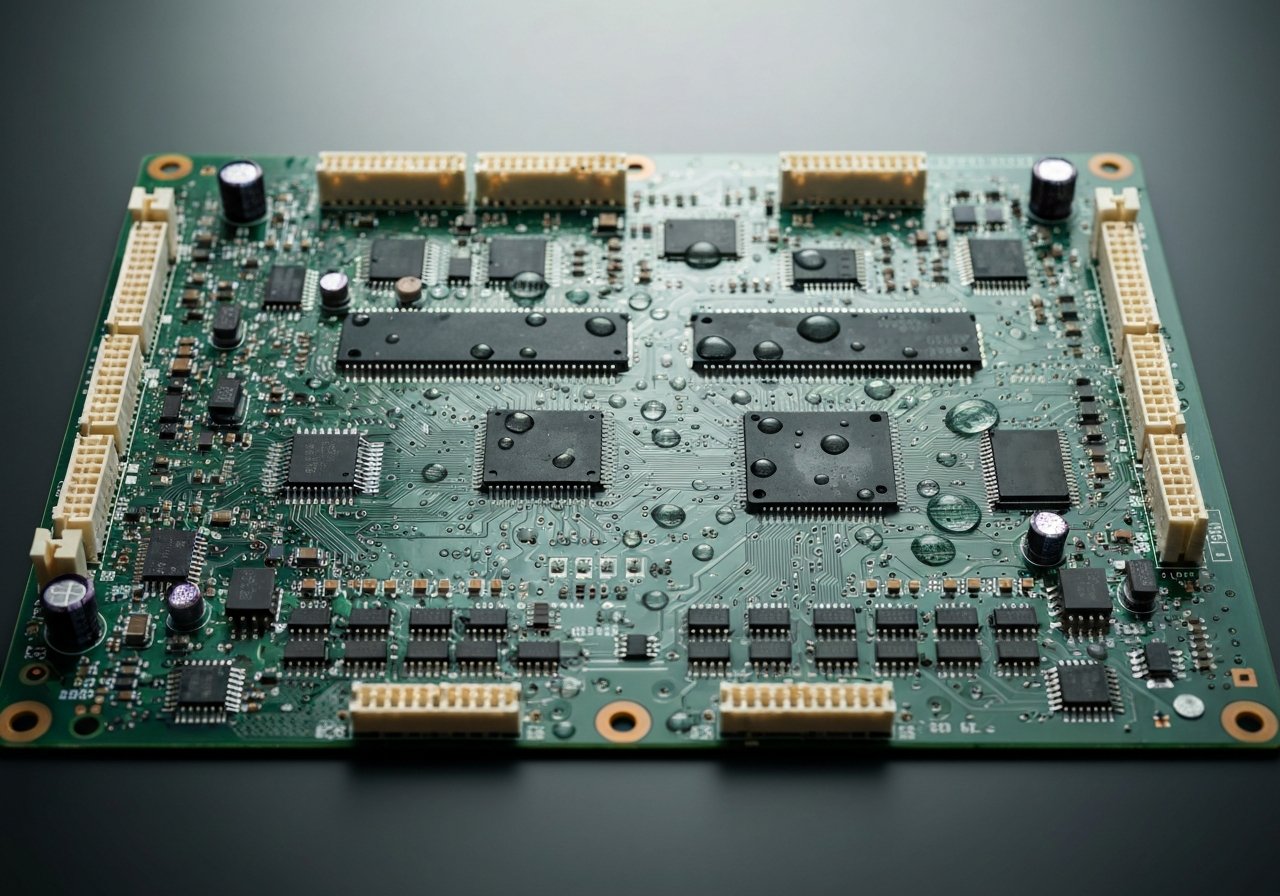
Water damage to a PCB is not limited to direct immersion. Condensation, humidity, cleaning residue, or improper storage can all introduce moisture-related risks. Understanding how water affects PCBs requires looking at electrical behavior, material science, and factory process control together.
How Does Water Affect a PCB Electrically?
Water itself is not a perfect conductor, but in real environments it almost always contains impurities such as salts, dust, or chemicals. These contaminants significantly increase conductivity.
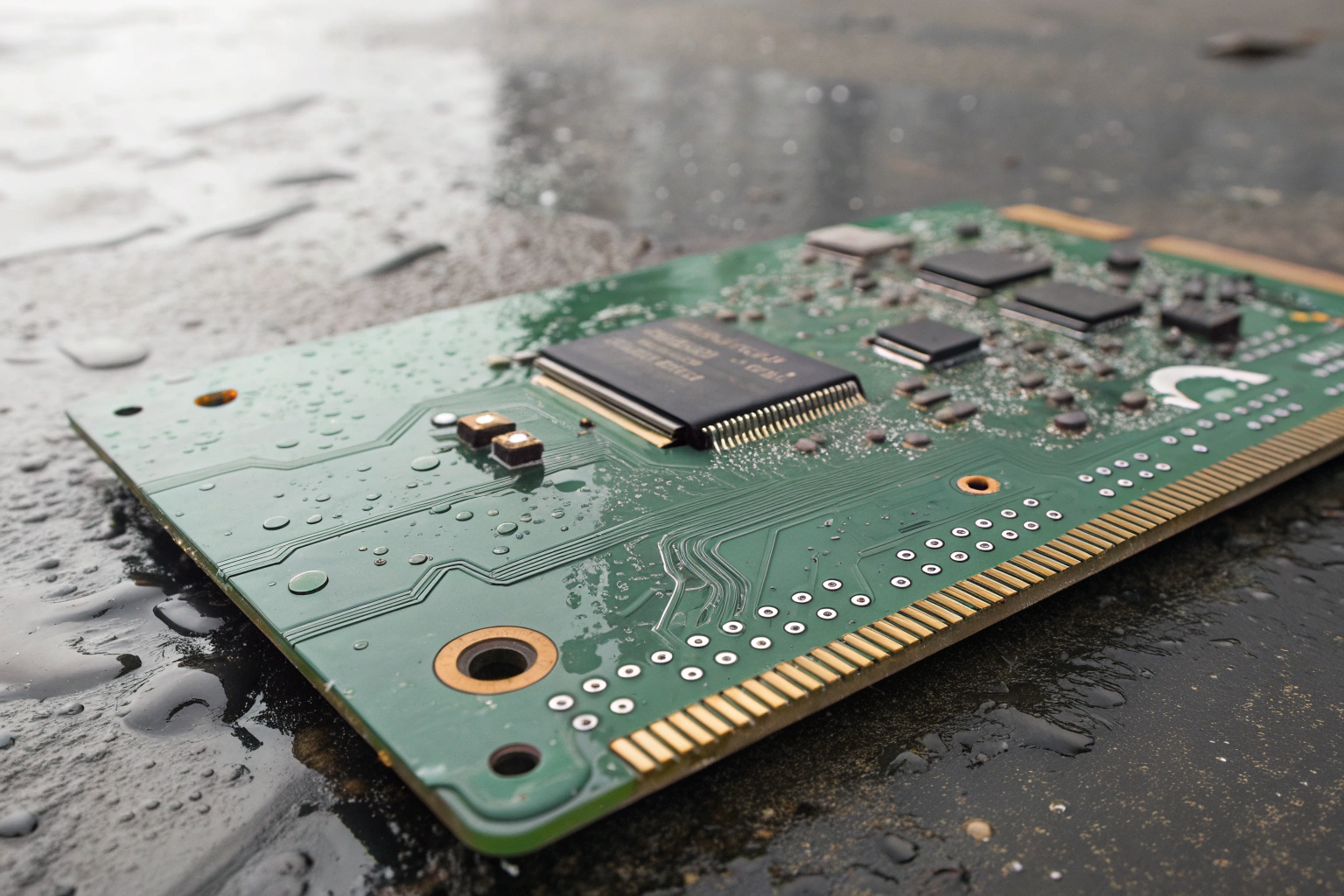
Electrical effects caused by water include:
- Short circuits between adjacent traces
- Leakage currents altering signal levels
- Unstable reference voltages
- Unexpected power loss or resets
In manufacturing testing stages, moisture-related electrical issues often appear as intermittent faults. A PCB may pass initial testing but fail later when environmental conditions change. This makes water damage especially dangerous because it can bypass standard inspection if not properly controlled.
How Does Water Cause Corrosion on a PCB?
Corrosion is one of the most destructive long-term effects of water exposure on PCBs.
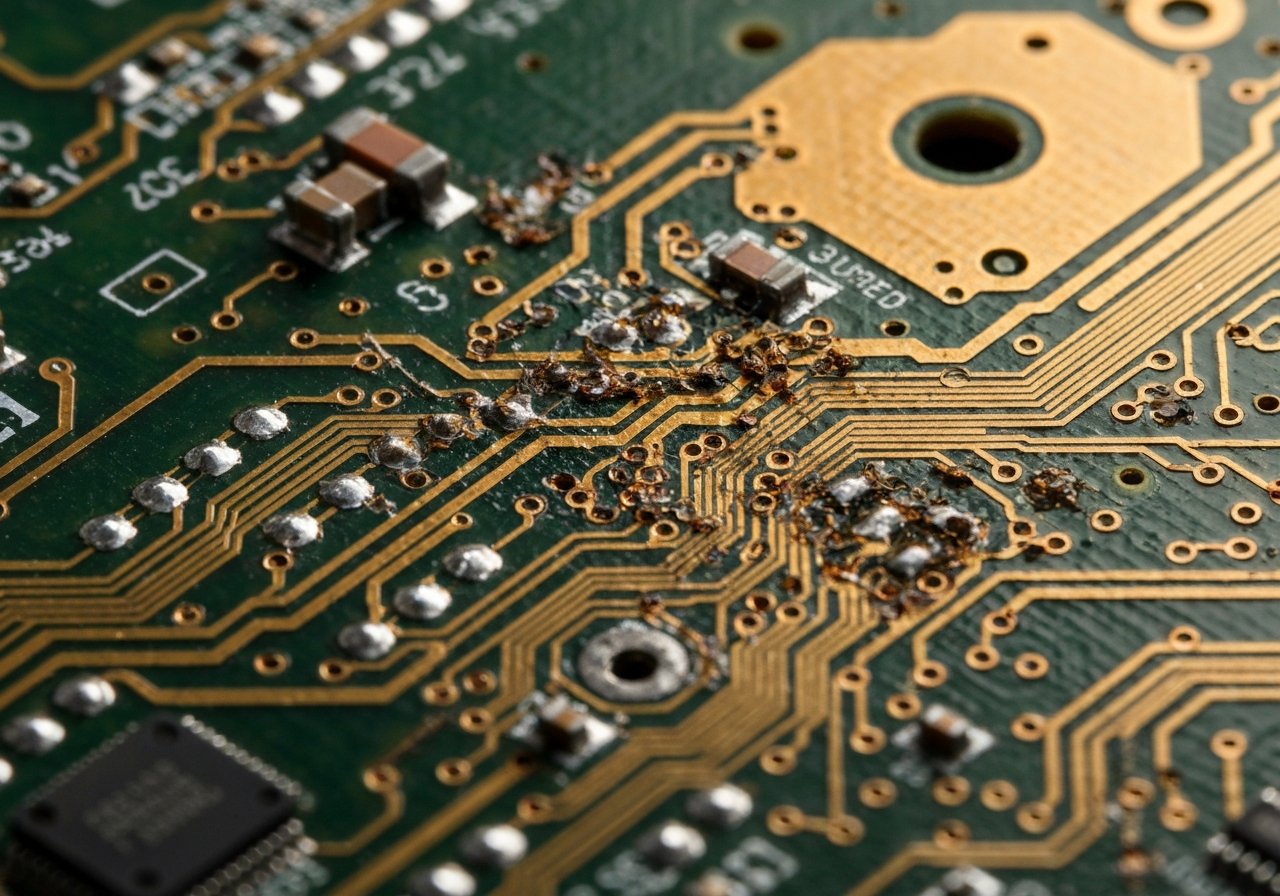
Common corrosion mechanisms include:
- Oxidation of copper traces and pads
- Electrochemical migration between conductors
- Degradation of solder joints
- Increased contact resistance at connectors
In factory workshops, corrosion may start at exposed copper edges, poorly protected vias, or contaminated solder joints. Once corrosion begins, it continues even after the PCB appears dry. This gradual material degradation often leads to delayed failures that are difficult to trace back to the original moisture exposure.
Can Water Damage Occur During Manufacturing Processes?
Yes, water damage can occur during several manufacturing and post-assembly processes if controls are weak.
Manufacturing-related moisture risks include:
- Inadequate drying after PCB cleaning
- High-humidity workshop environments
- Improper storage of bare PCBs or components
- Condensation during temperature changes
In SMT workshops, cleaning processes must be carefully controlled. Residual moisture trapped under components such as QFN or BGA packages can cause failures during power-on testing or later in use. Manufacturing facilities use controlled drying, humidity monitoring, and material handling rules to reduce these risks.
How Does Water Impact PCB Reliability Over Time?
Water damage does not always cause immediate failure. In many cases, the PCB continues to function while internal degradation progresses.
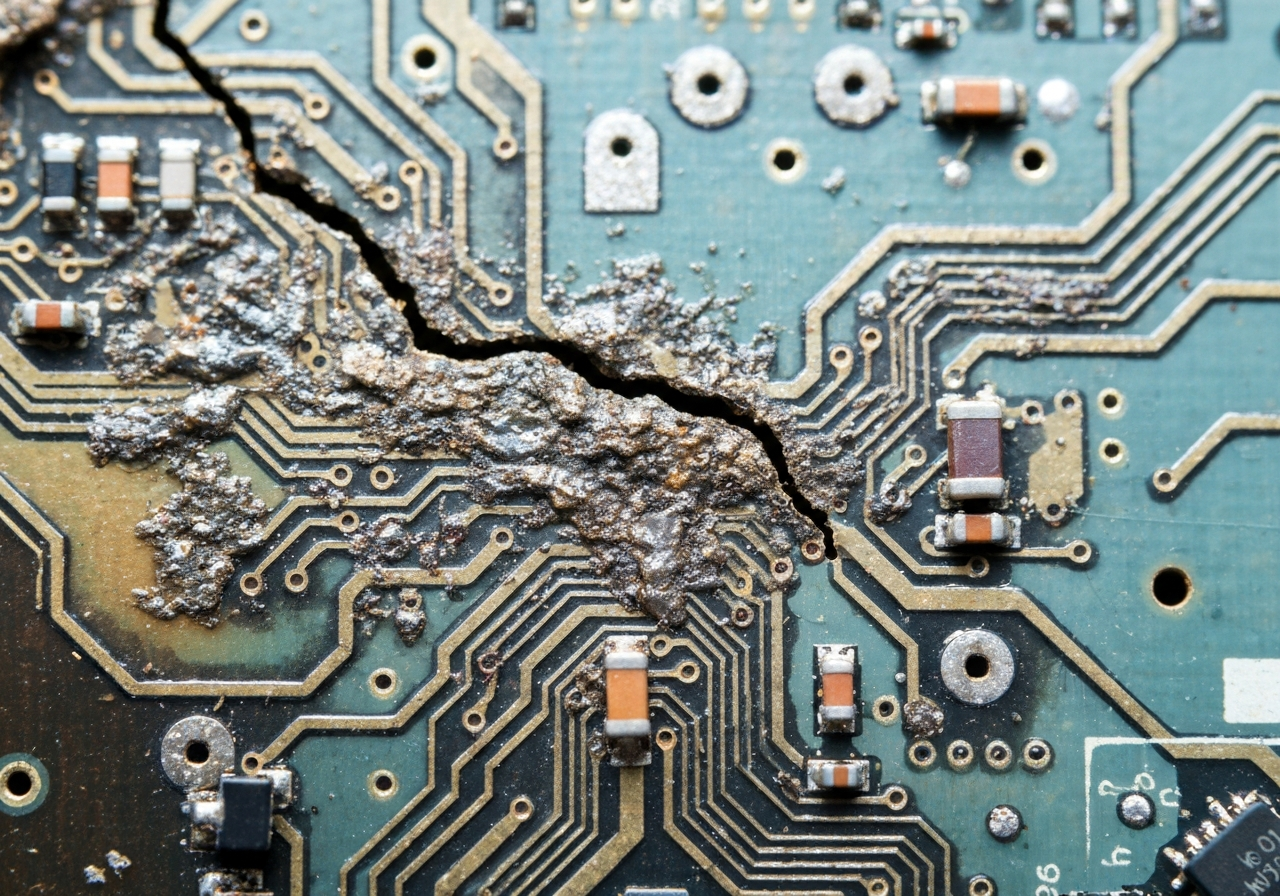
Long-term reliability risks include:
- Progressive corrosion under solder mask
- Insulation resistance reduction
- Increased susceptibility to electrical noise
- Early-life or mid-life product failure
In manufacturing quality systems, moisture-related defects are particularly challenging because they may not be detected by standard electrical tests. Environmental stress testing and insulation resistance checks are often used to identify boards with hidden moisture damage.
How Do Factory Workshops Prevent Water Damage?
Professional manufacturing environments apply multiple layers of protection against water and moisture.
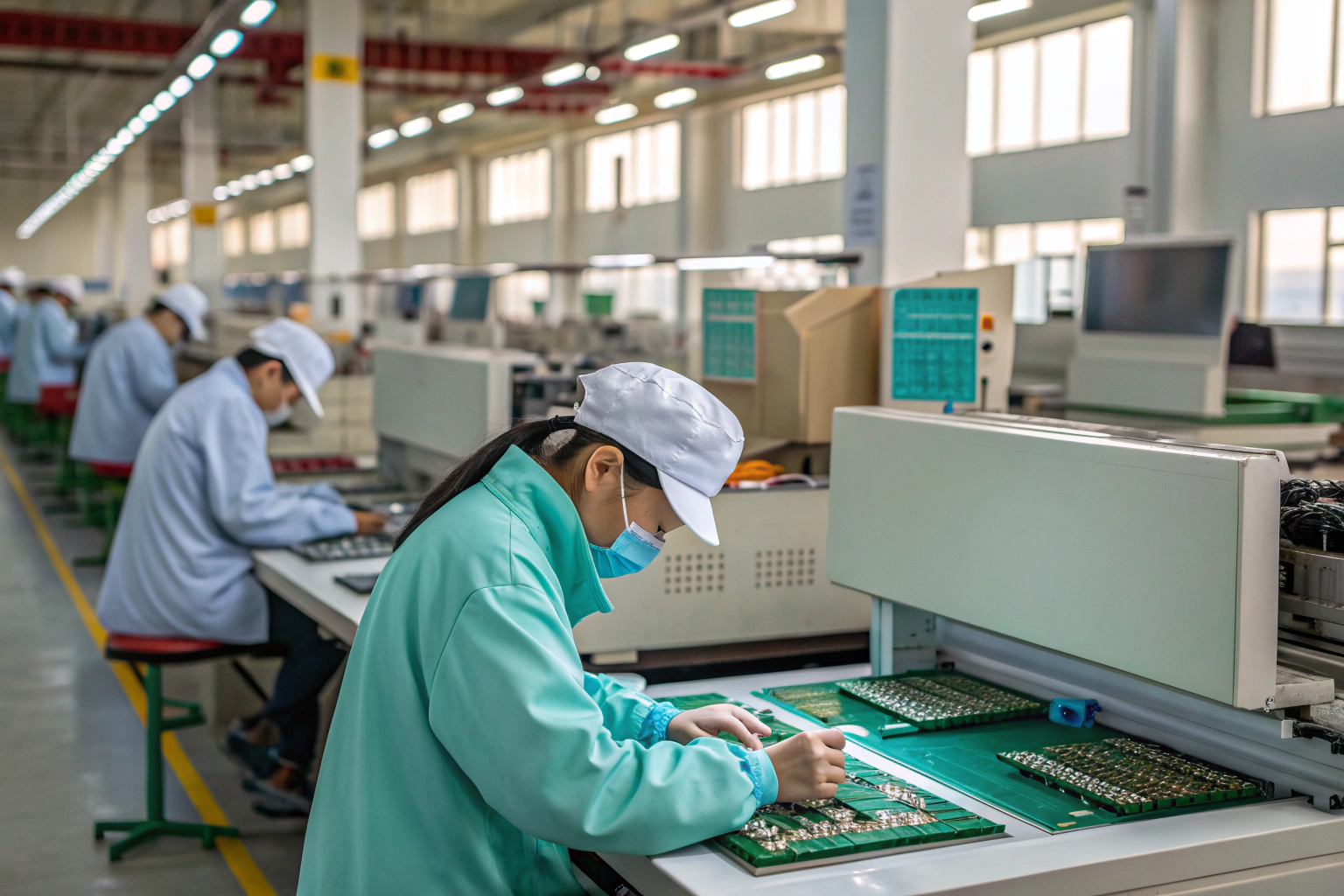
Common preventive measures include:
- Humidity-controlled production areas
- Dry cabinets for component storage
- Controlled PCB cleaning and drying processes
- Use of protective coatings when required
Workshop procedures clearly define acceptable humidity ranges and handling rules. PCBs are stored in moisture barrier packaging when necessary, and exposure time is tracked for sensitive materials. These controls ensure that moisture does not silently compromise product quality.
Can a Water-Damaged PCB Be Recovered?
Recovery depends on the severity and duration of water exposure.
Limited recovery may be possible when:
- Exposure time was short
- No visible corrosion is present
- Inner layers remain intact
- Proper cleaning and drying are performed quickly
However, once corrosion or electrochemical migration begins, full reliability cannot be guaranteed. In manufacturing environments, water-damaged PCBs are carefully evaluated. Boards with structural or corrosion damage are often classified as scrap to prevent future failures.
Conclusion
Water can absolutely damage a PCB, both immediately and over time. Its effects range from short circuits and corrosion to hidden reliability degradation that appears long after assembly. In manufacturing environments, water damage is treated as a critical quality risk because it often creates latent failures that standard testing may not catch. Through humidity control, disciplined workshop processes, proper storage, and controlled cleaning methods, water-related risks can be significantly reduced. A mature manufacturing system does not rely on recovery after water exposure but focuses on prevention, early detection, and process discipline to ensure long-term PCB reliability and stable product performance.
