
circuit boards do have scrap value, mainly because they contain recoverable metals such as copper, gold, silver, and palladium. However, their actual worth depends heavily on board grade, component density, and recycling method. Most value comes from metal recovery, not resale as usable electronics.
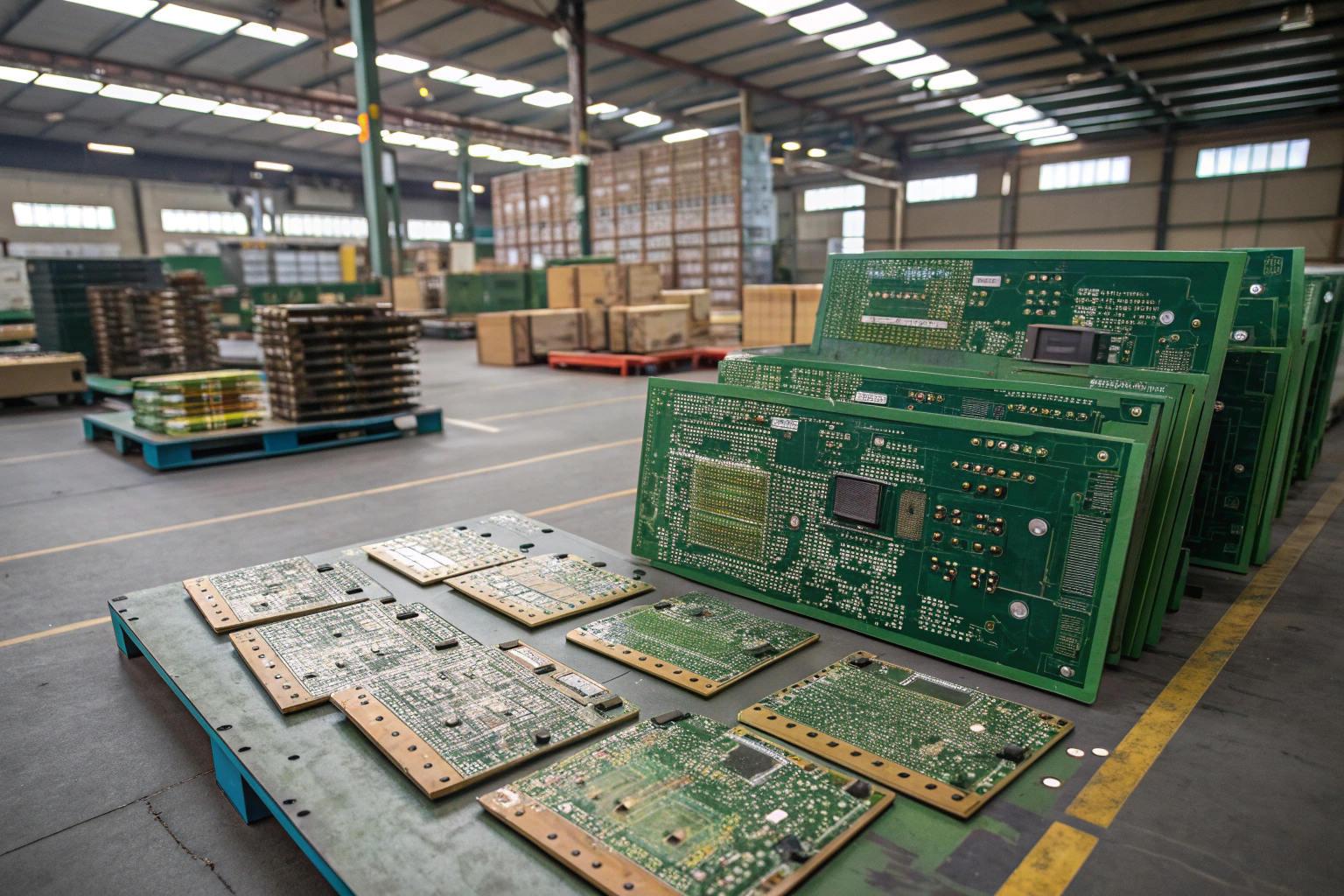
In manufacturing and electronics processing, scrap PCBs are treated as secondary resources. Their value is real, but often misunderstood or overestimated.
What Makes Circuit Boards Valuable as Scrap?
The value of scrap PCBs comes from materials.
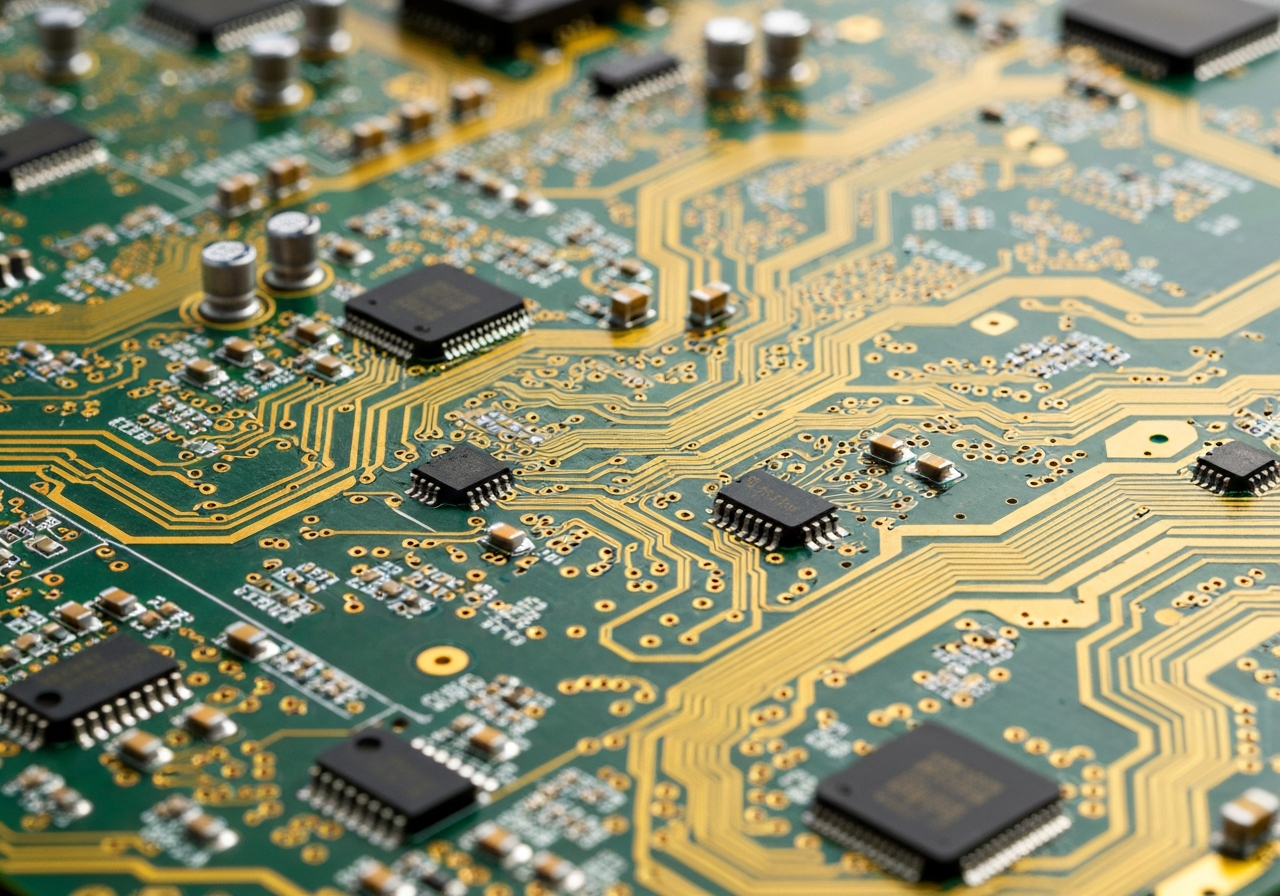
Not all boards are equal.
Circuit boards contain a mix of metals embedded in fiberglass and resin. The most valuable materials include:
- Copper in traces and planes
- Gold in edge fingers, connectors, and IC packages
- Silver and palladium in some components and solder
High-layer-count boards and boards with dense components generally contain more recoverable metal. Simple single-layer boards with few components have much lower value.
Scrap buyers classify boards by grade rather than weight alone. Visual inspection, board type, and component mix determine pricing far more than size.
How PCB Scrap Is Classified by Grade?
Scrap value depends on board category.
Classification determines payout.
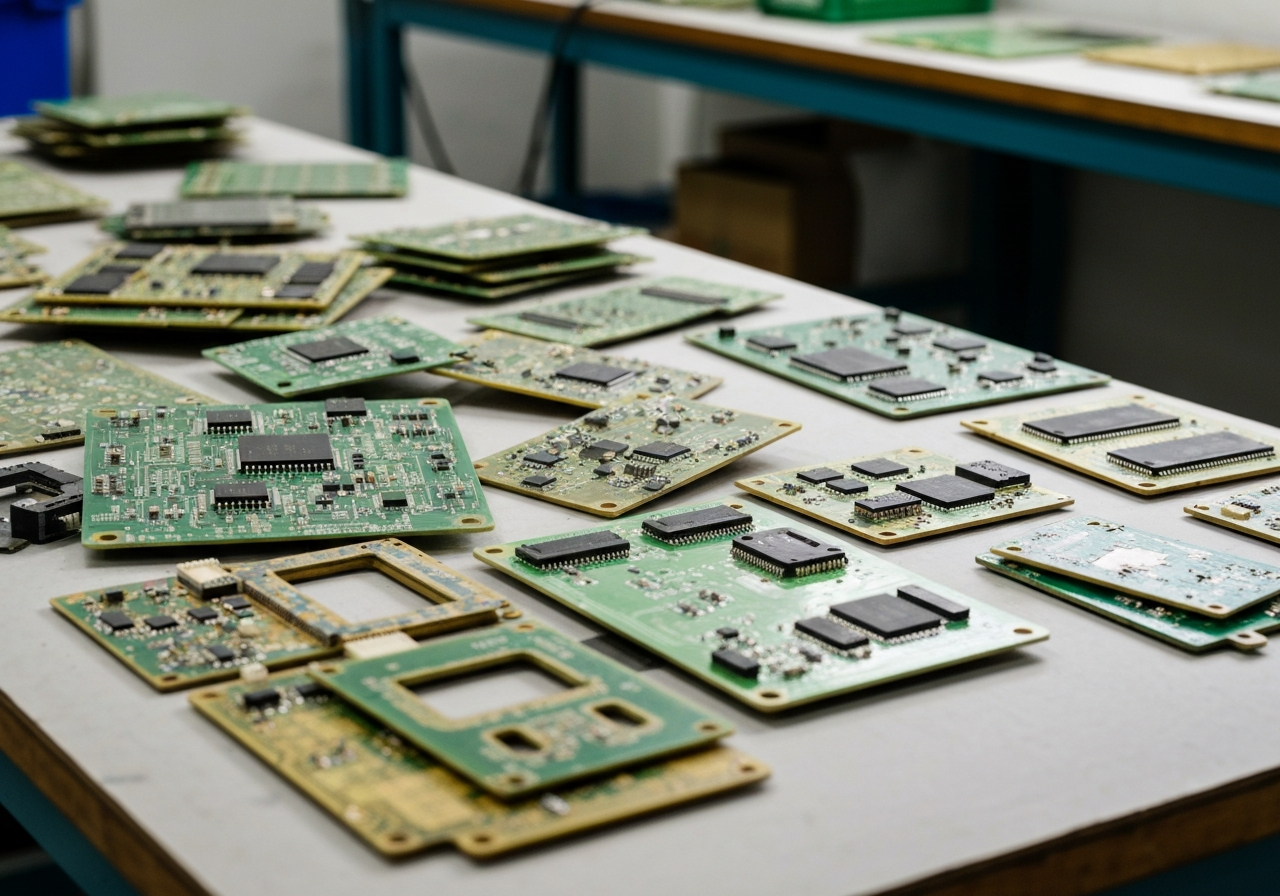
In the recycling industry, PCBs are commonly grouped into:
- High-grade boards: server boards, telecom boards, industrial control boards
- Mid-grade boards: consumer electronics mainboards
- Low-grade boards: power supply boards, appliance control boards
High-grade boards contain more precious metal and complex multilayer structures. Low-grade boards are copper-heavy but contain little gold or silver.
Manufacturers separate scrap by grade at the workshop level to avoid value loss. Mixing grades reduces recovery efficiency and lowers overall return.
What Metals Are Actually Recovered from Scrap PCBs?
Recovery focuses on metals, not components.
Most materials are destroyed in processing.
During recycling, boards are shredded, processed mechanically, and treated chemically or thermally. The main recovered materials are:
- Copper (largest percentage by weight)
- Gold (small quantity, high value)
- Silver and palladium (trace but valuable)
Fiberglass and resin are typically burned or discarded. Components are not reused; they are treated as metal sources only.
Because precious metals exist in very small quantities per board, value adds up only at scale. Individual boards are rarely worth much on their own.
Why Scrap Value Is Lower Than Most People Expect?
Precious metals are present in tiny amounts.
Processing cost absorbs much of the value.
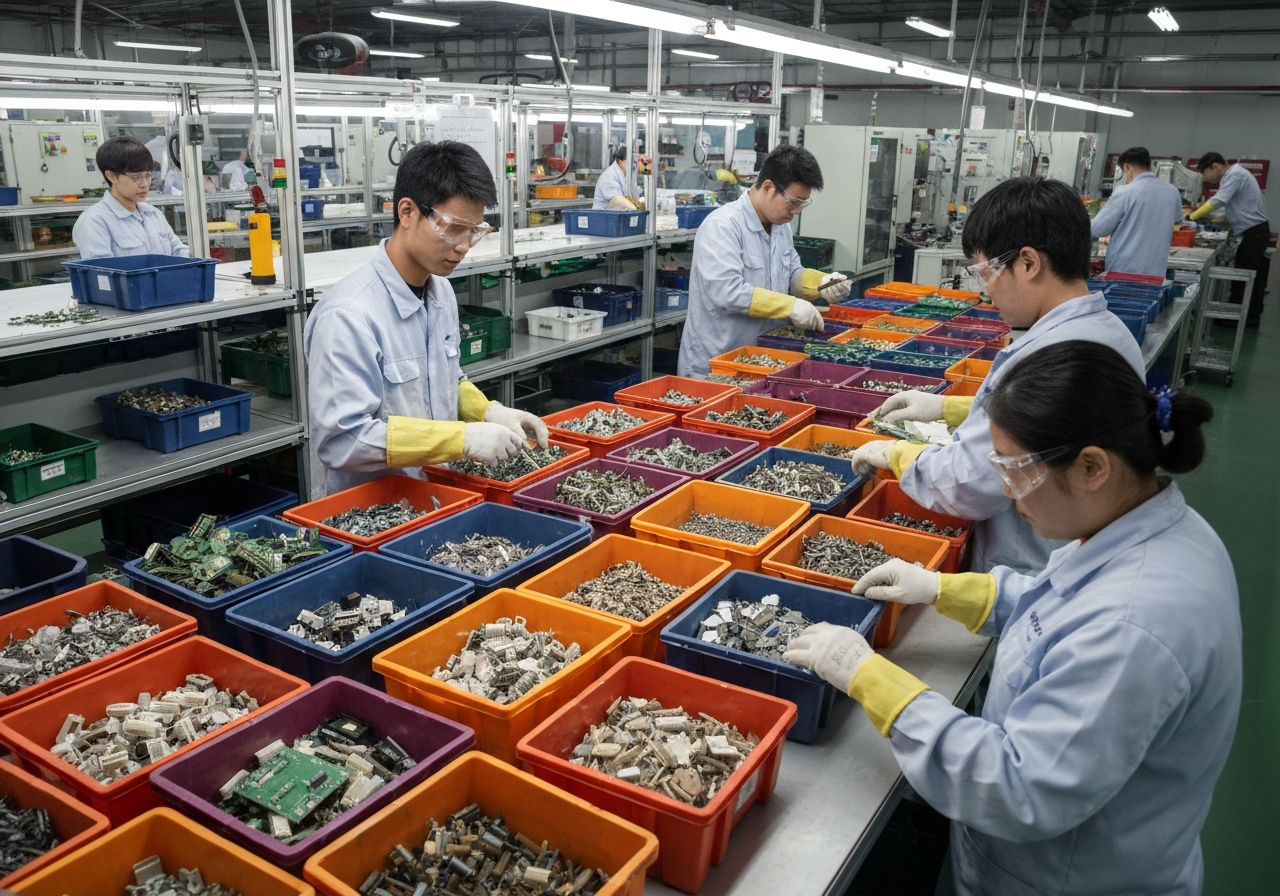
While gold exists on PCBs, it is measured in milligrams per board, not grams. Recovery requires specialized equipment, chemicals, and environmental controls.
Key cost factors include:
- Manual sorting and grading
- Hazardous material handling
- Chemical treatment and waste disposal
- Energy-intensive processing
As a result, scrap buyers price boards conservatively. The visible gold plating often leads to unrealistic expectations compared to actual recoverable yield.
In manufacturing, scrap PCB value is treated as cost offset, not profit center.
How Manufacturers Handle PCB Scrap Internally?
Scrap management is part of factory process control.
It is handled systematically.
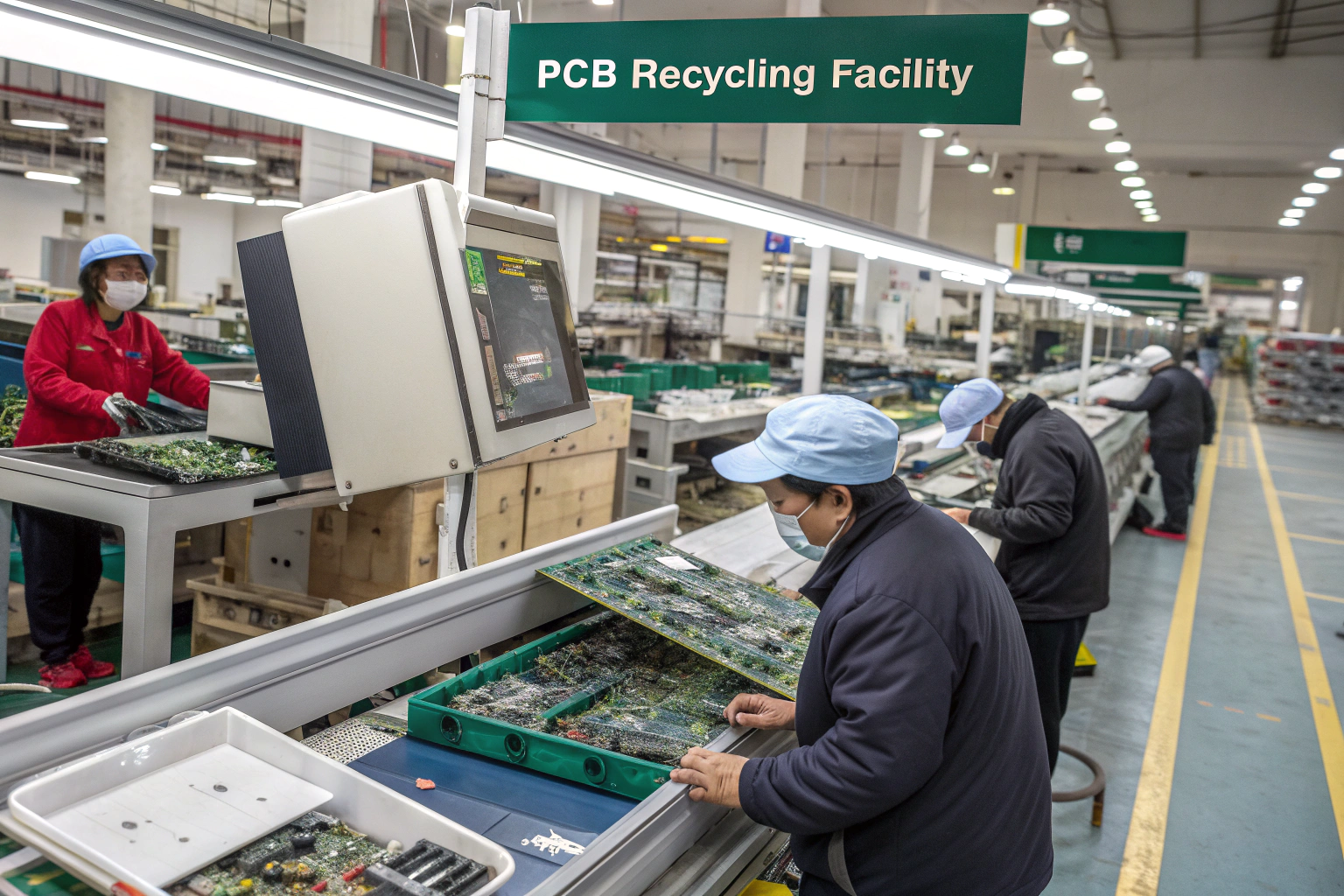
In professional electronics factories, PCB scrap is generated from:
- Process defects
- Engineering trials
- Rejected assemblies
- Obsolete inventory
These boards are:
- Sorted by grade
- Logged for traceability
- Stored securely
- Sent to certified recyclers
Scrap handling also protects intellectual property. Boards may be physically destroyed before recycling to prevent data leakage or design copying.
Manufacturers view PCB scrap as controlled waste with recoverable value, not as casual trash.
Is It Better to Scrap or Reuse Old Circuit Boards?
Reuse preserves more value than recycling.
Scrap is the last option.
From an engineering and sustainability perspective:
- Reuse or refurbishment retains full product value
- Component harvesting offers limited benefit
- Scrap recycling recovers only raw material value
Once a board enters the scrap stream, its functional value is gone. Only base metals remain.
Manufacturing decisions prioritize yield improvement and defect reduction because preventing scrap is always more valuable than recycling it later.
Conclusion
Circuit boards are worth something in scrap, mainly due to recoverable metals like copper, gold, and silver. However, their value depends on board grade, metal content, and processing scale. High-grade industrial boards offer the best return, while low-grade boards provide minimal value. In manufacturing, PCB scrap is treated as a controlled byproduct, sorted carefully and sent to certified recyclers to recover material value and protect intellectual property. While scrap recovery offsets some cost, the real value lies in producing reliable boards that never become scrap in the first place.
