
No, motherboards are not just PCBs. A motherboard starts as a PCB, but once components are mounted and soldered, it becomes a PCBA—a fully functional electronic assembly. The PCB is only the physical foundation. The motherboard’s real value comes from its assembly, components, and manufacturing quality.
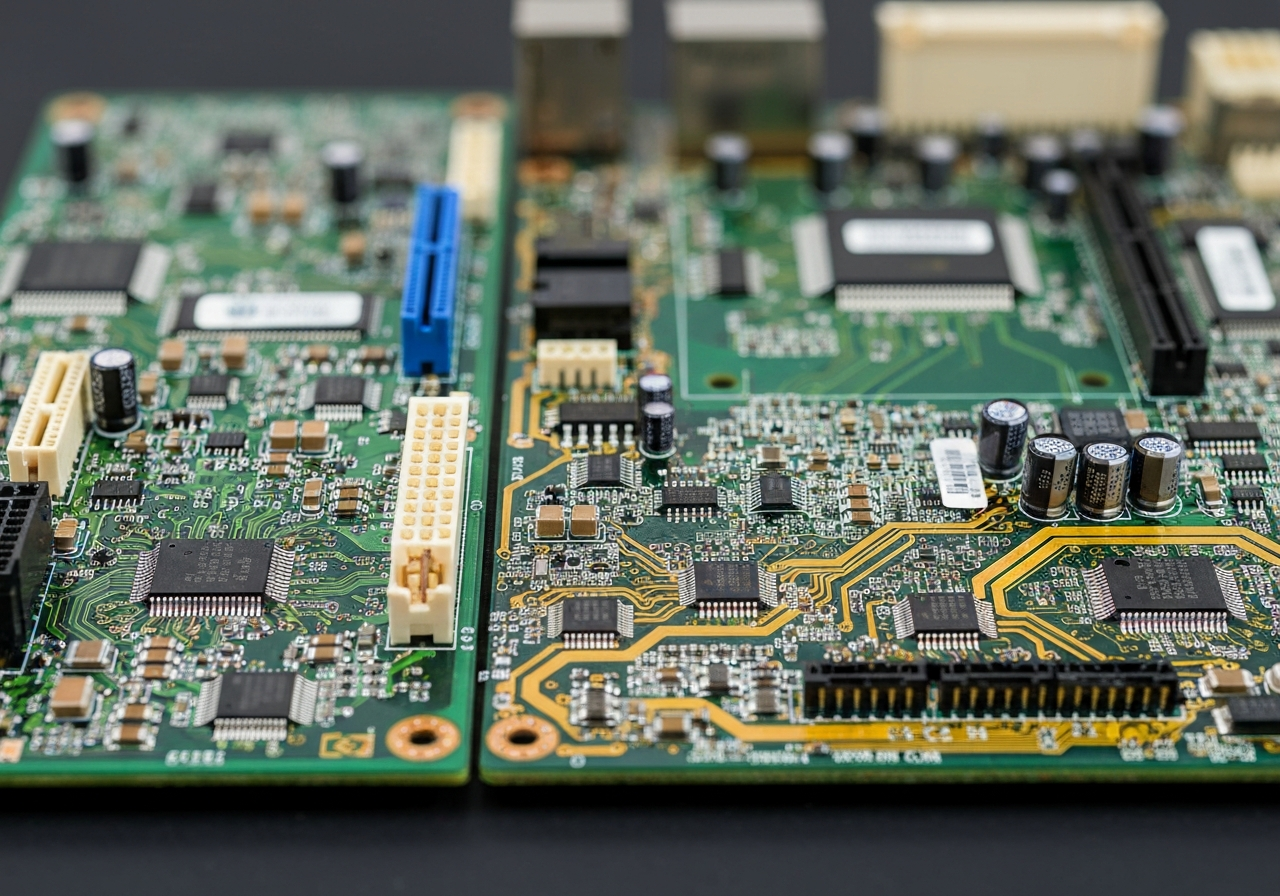
In electronics manufacturing, a motherboard is one of the most complex forms of PCBA, far beyond a bare circuit board.
What Part of a Motherboard Is the PCB?
The PCB is the structural base.
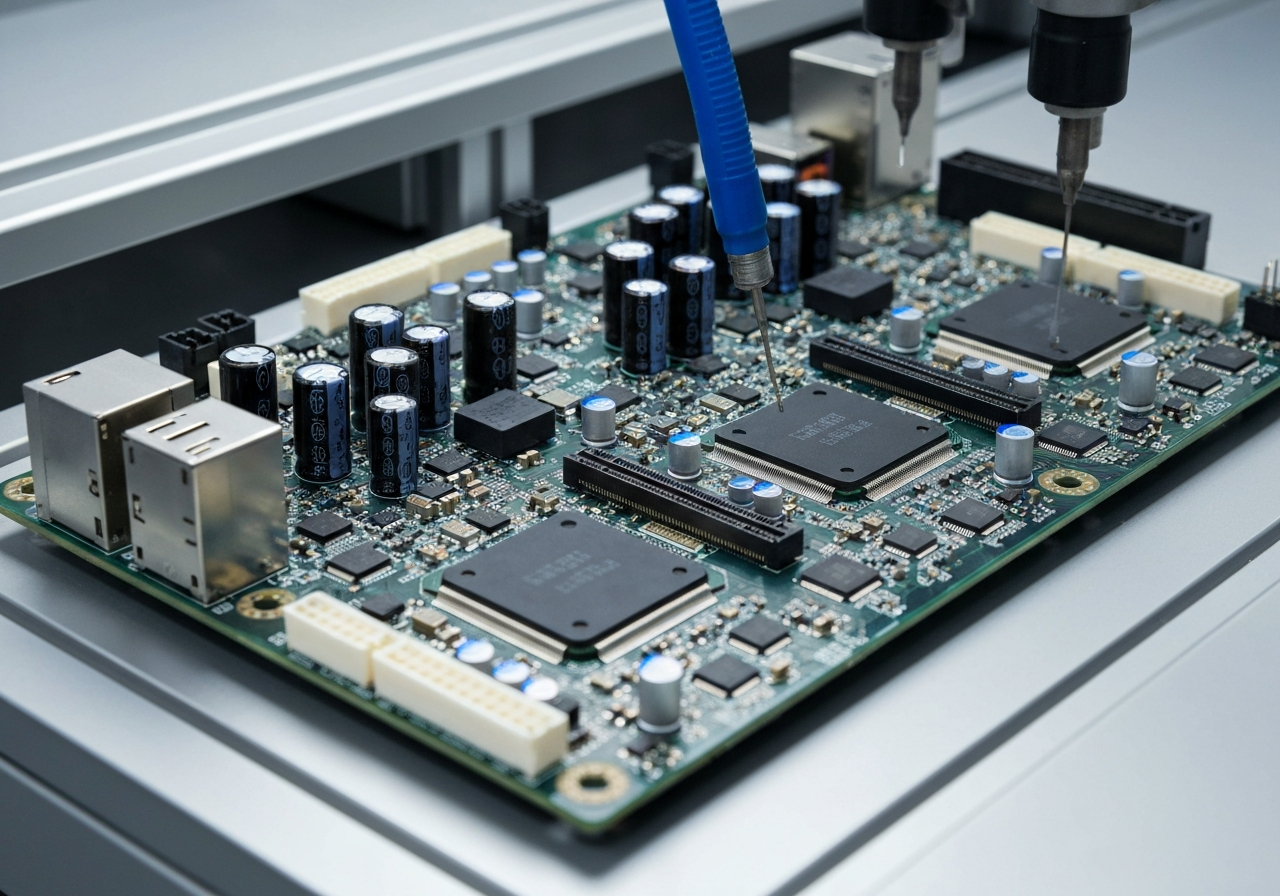
It defines electrical pathways.
The PCB in a motherboard provides:
- Mechanical support for all components
- Copper traces and planes for power and signals
- Layer-to-layer connections through vias
- Controlled impedance for high-speed signals
Modern motherboards use high-layer-count PCBs, often 6 to 16 layers or more. These layers manage power distribution, grounding, and ultra-fast data signals.
On its own, this PCB cannot function. It has no processing ability, no memory, and no power control. It is only the infrastructure.
Why a Motherboard Is Actually a PCBA
Function comes from assembly.
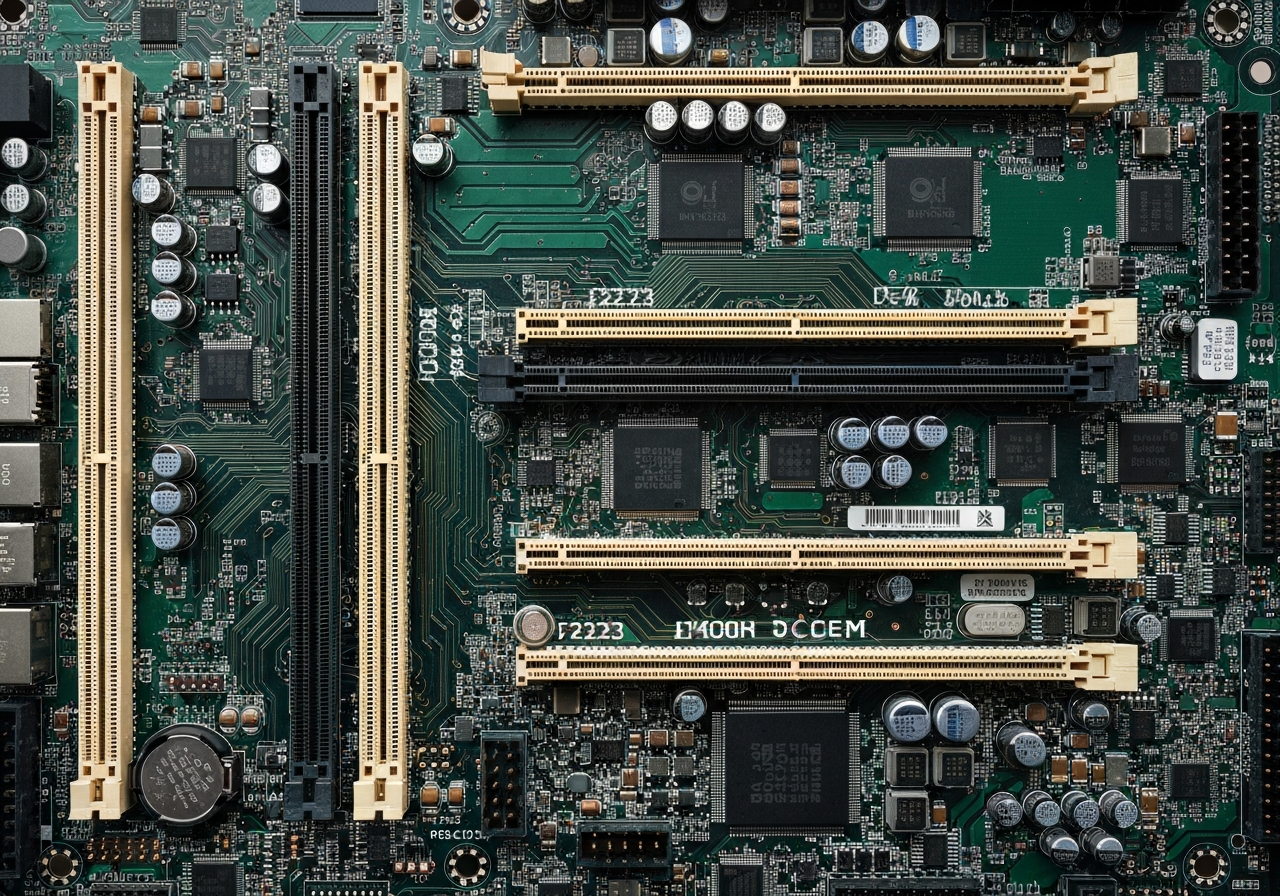
Components turn a board into a system.
Once components are installed, the PCB becomes a PCBA. A motherboard PCBA includes:
- CPU sockets or processors
- Memory slots and controllers
- Power management circuits
- Chipsets and clock circuits
- High-speed connectors and interfaces
At this stage, the board can distribute power, process data, manage communication, and control the entire system.
From a manufacturing perspective, this transformation—from PCB to PCBA—is where most cost, risk, and quality control exist.
How Motherboards Differ From Simple PCBs
Complexity defines the difference.
Motherboards sit at the top end.
Compared to simple control boards, motherboards feature:
- Extremely dense component placement
- Fine-pitch and BGA packages
- Tight impedance and length matching
- High current and low noise requirements
A small defect in soldering, placement, or material choice can cause instability, boot failure, or long-term reliability issues.
That is why motherboard manufacturing demands tighter tolerances and stricter process control than most other PCBAs.
Manufacturing Process Behind a Motherboard
The PCB alone is not enough.
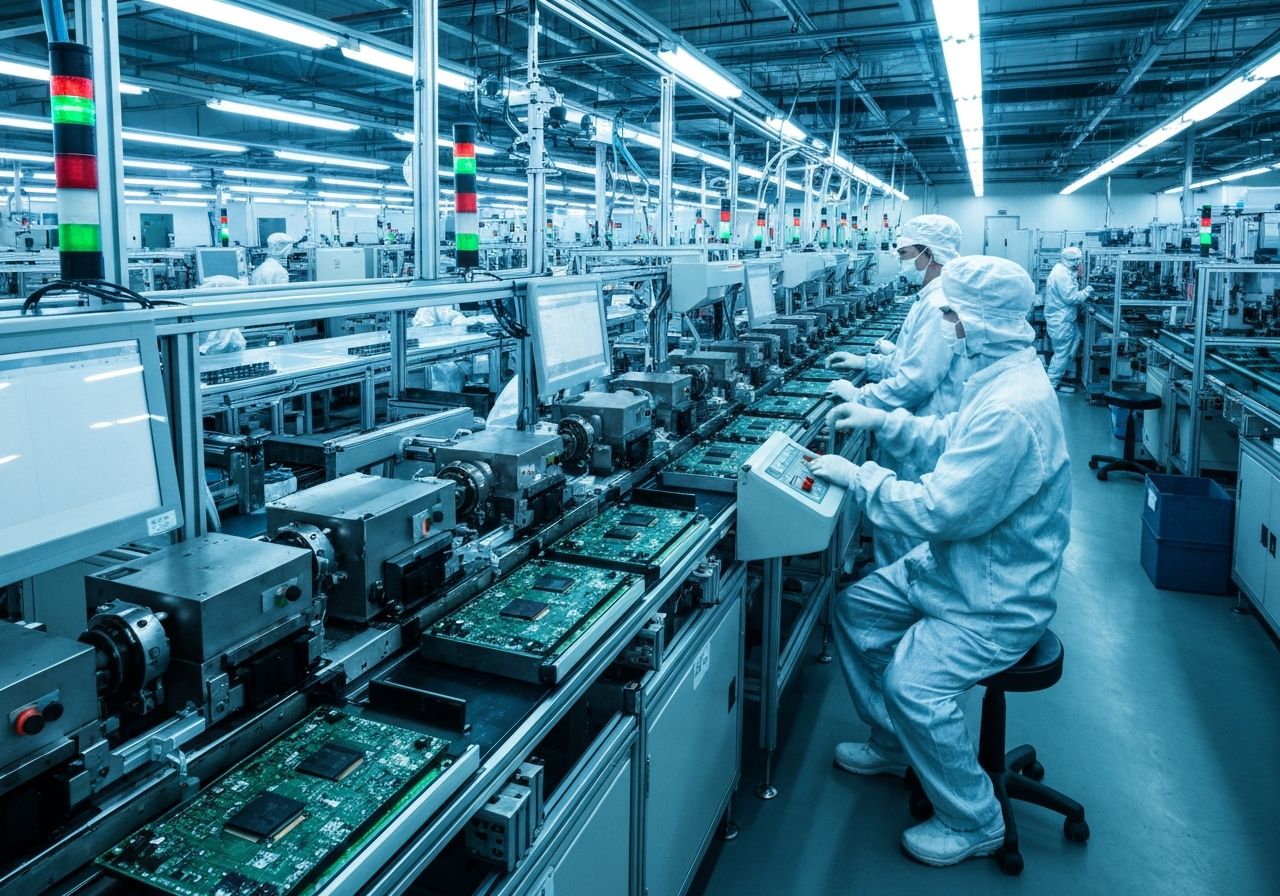
Assembly discipline defines performance.
In factory workshops, motherboard production includes:
- High-precision SMT placement
- Controlled multi-zone reflow soldering
- X-ray inspection for BGA solder joints
- Automated optical inspection
- Electrical and functional testing
The PCB must also meet higher standards:
- Flatness control for large boards
- Stable laminate materials
- Reliable via structures
- Clean surface finishes
Without strong PCB quality, even the best assembly process fails.
Why People Confuse Motherboards With PCBs
The PCB is visually dominant.
Components are sometimes overlooked.
When looking at a motherboard, the green (or black) board surface is most visible. This leads to the assumption that the motherboard is the PCB.
In reality:
- The visible board is the PCB
- The mounted electronics define the motherboard’s function
In manufacturing terms, calling a motherboard “just a PCB” ignores most of its value and complexity.
How Factories Classify Motherboards Internally
Classification is precise in manufacturing.
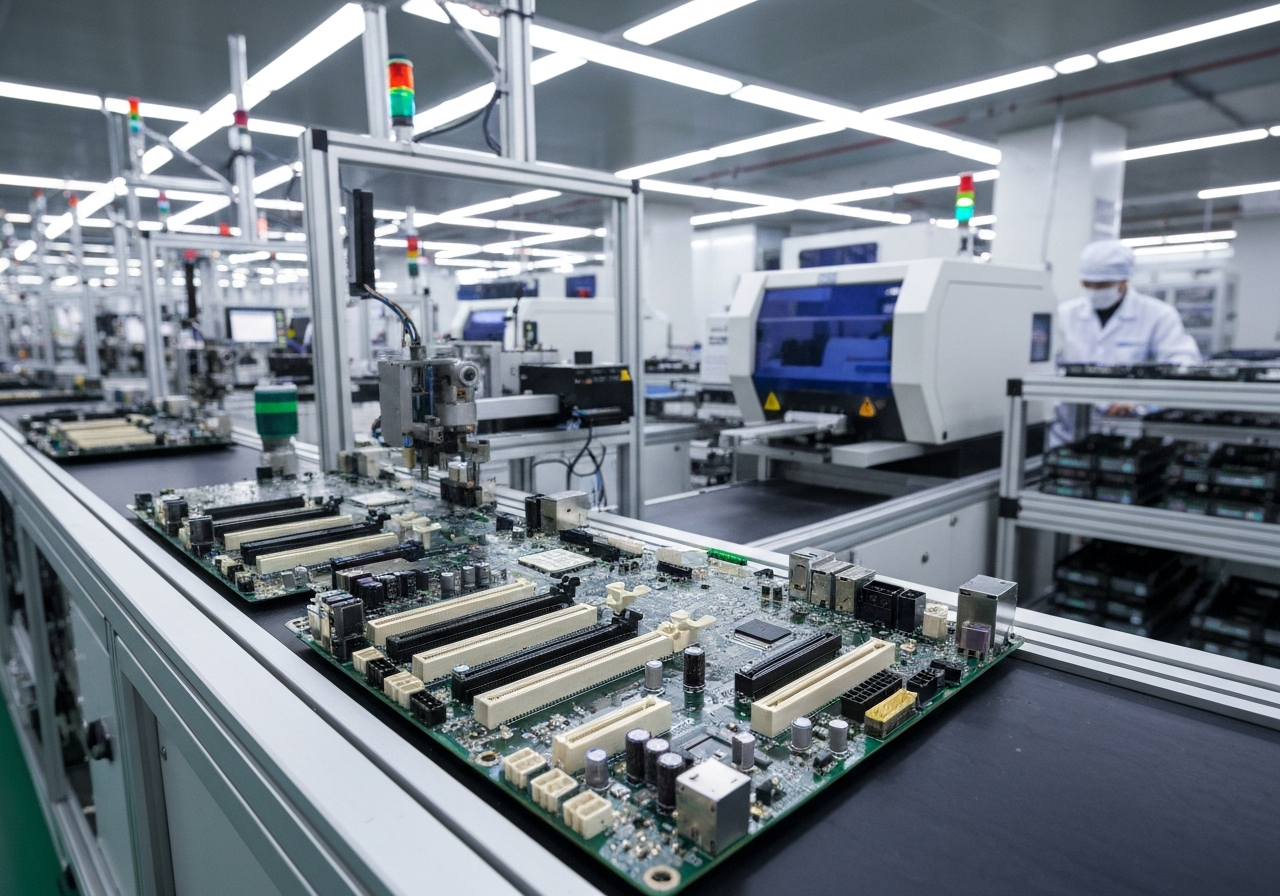
Terminology matters.
In professional factories:
- PCB refers only to the bare board
- PCBA refers to the assembled motherboard
- Quality control focuses mainly on the PCBA stage
Failures in the field are almost always traced back to:
- Solder joint reliability
- Component quality
- Assembly process variation
Rarely is the bare PCB alone the root cause.
Conclusion
Motherboards are not just PCBs. A PCB is only the structural and electrical foundation, while a motherboard is a fully assembled PCBA that integrates processing, power management, memory control, and communication into one system. The transformation from PCB to motherboard happens through complex assembly, precise soldering, and strict factory process control. Calling a motherboard “just a PCB” overlooks the manufacturing depth, technical difficulty, and quality discipline required to make it function reliably over time. In electronics manufacturing, the PCB enables the motherboard—but the PCBA is what makes it truly work.
