
Soldering can replace welding in some applications, but it is not a universal substitute. Soldering joins metals at low temperatures and is ideal for electrical connections, while welding fuses base metals together and is required for structural strength.
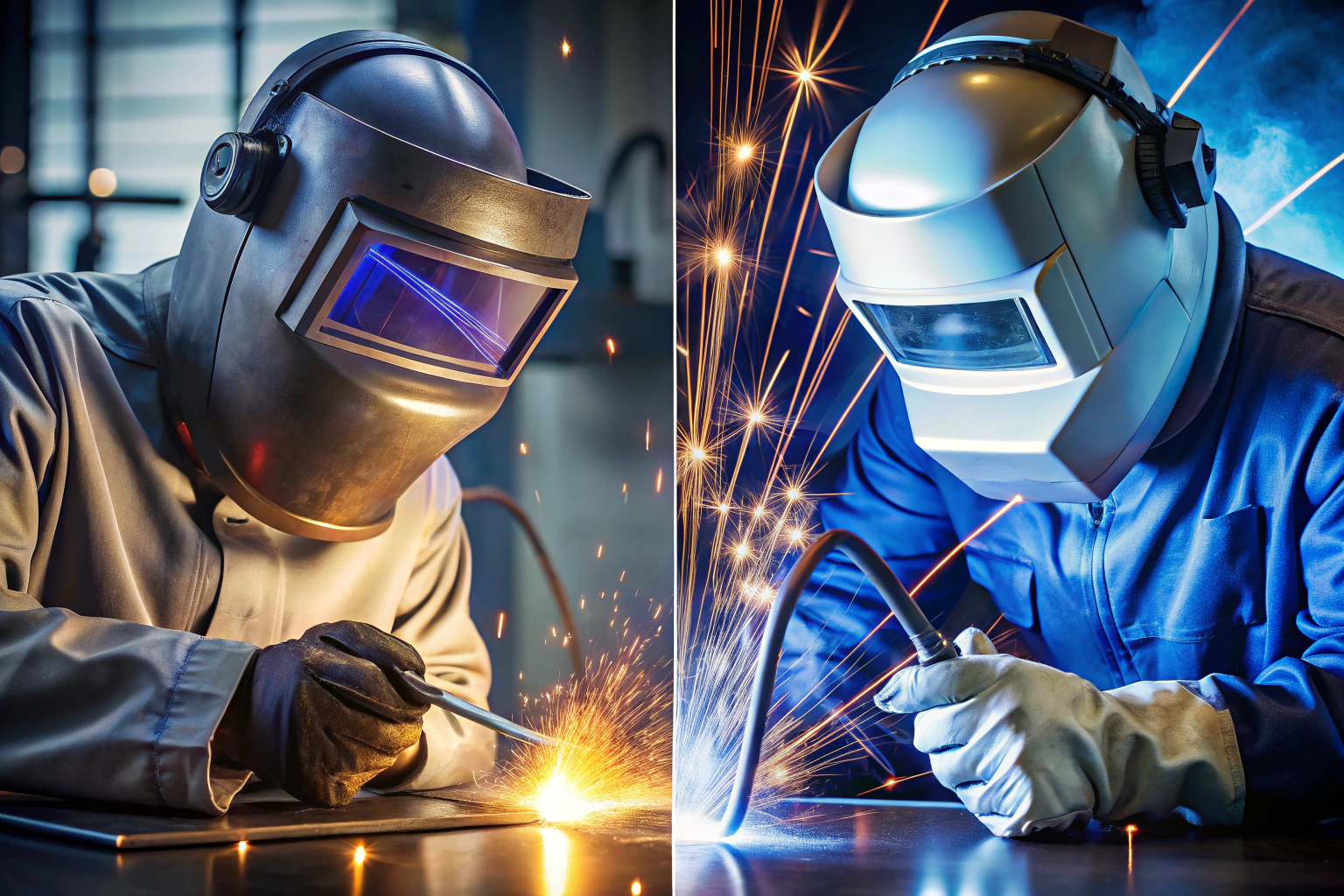
Choosing between soldering and welding depends on load, temperature, material type, and long-term reliability requirements.
In manufacturing, using solder where welding is required leads to weak joints and early failure. Using welding where soldering is sufficient increases cost, stress, and process complexity. Correct process selection is critical.
What Is the Core Difference Between Soldering and Welding?
The difference lies in how metals are joined.
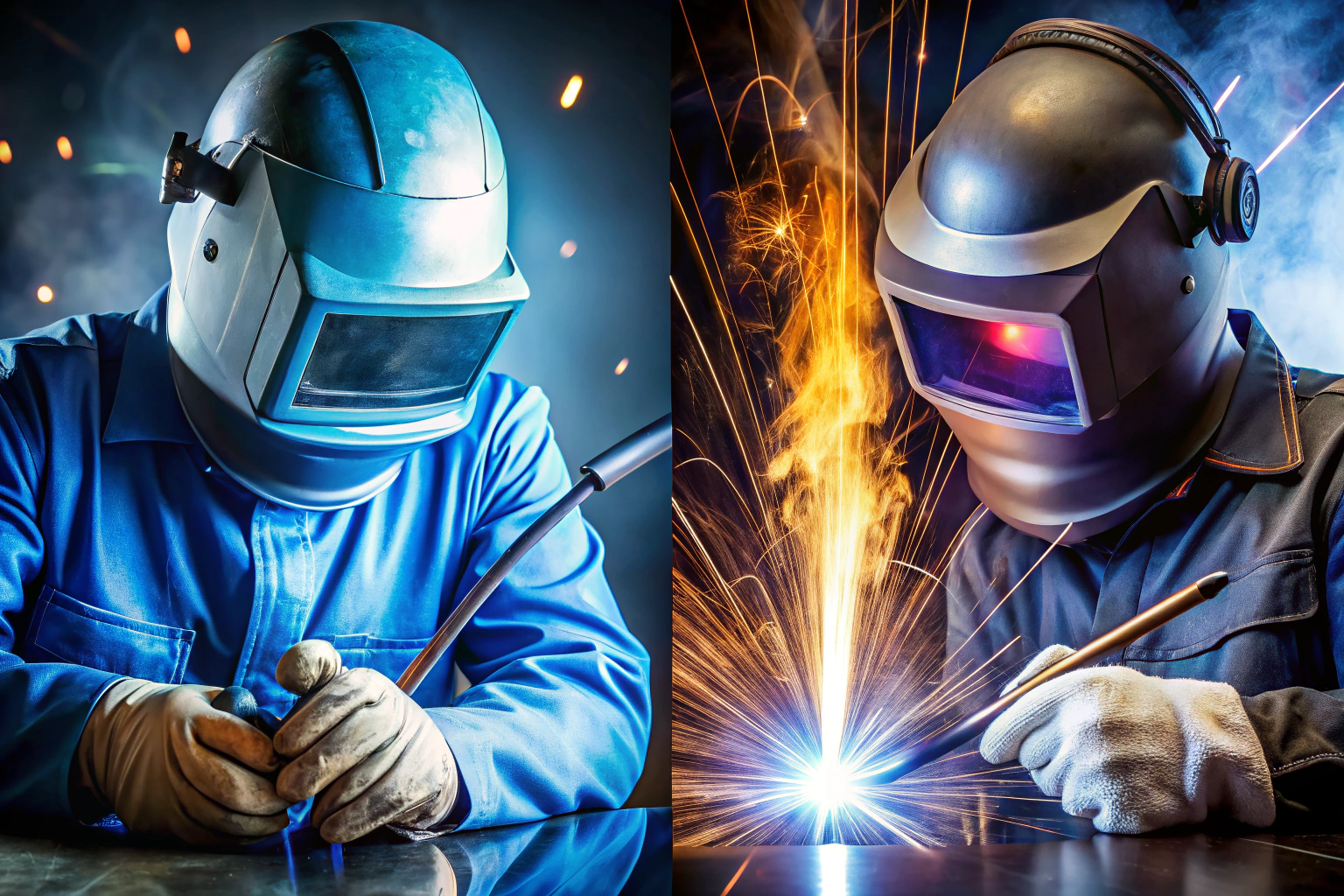
One bonds, the other fuses.
Soldering joins metals using a filler alloy that melts at relatively low temperature. The base metals do not melt. The joint relies on surface wetting and intermetallic bonding.
Welding melts the base metals themselves. When cooled, the joint becomes a continuous piece of metal with strength close to the original material.
Because of this:
- Soldered joints are electrically conductive but mechanically weaker
- Welded joints are mechanically strong and load-bearing
- Soldering causes minimal thermal distortion
- Welding introduces high heat and residual stress
In electronics manufacturing, soldering is essential. In structural fabrication, welding is unavoidable. Confusing these roles creates serious design and quality risks.
When Is Soldering a Valid Replacement for Welding?
Soldering works when strength demands are low.
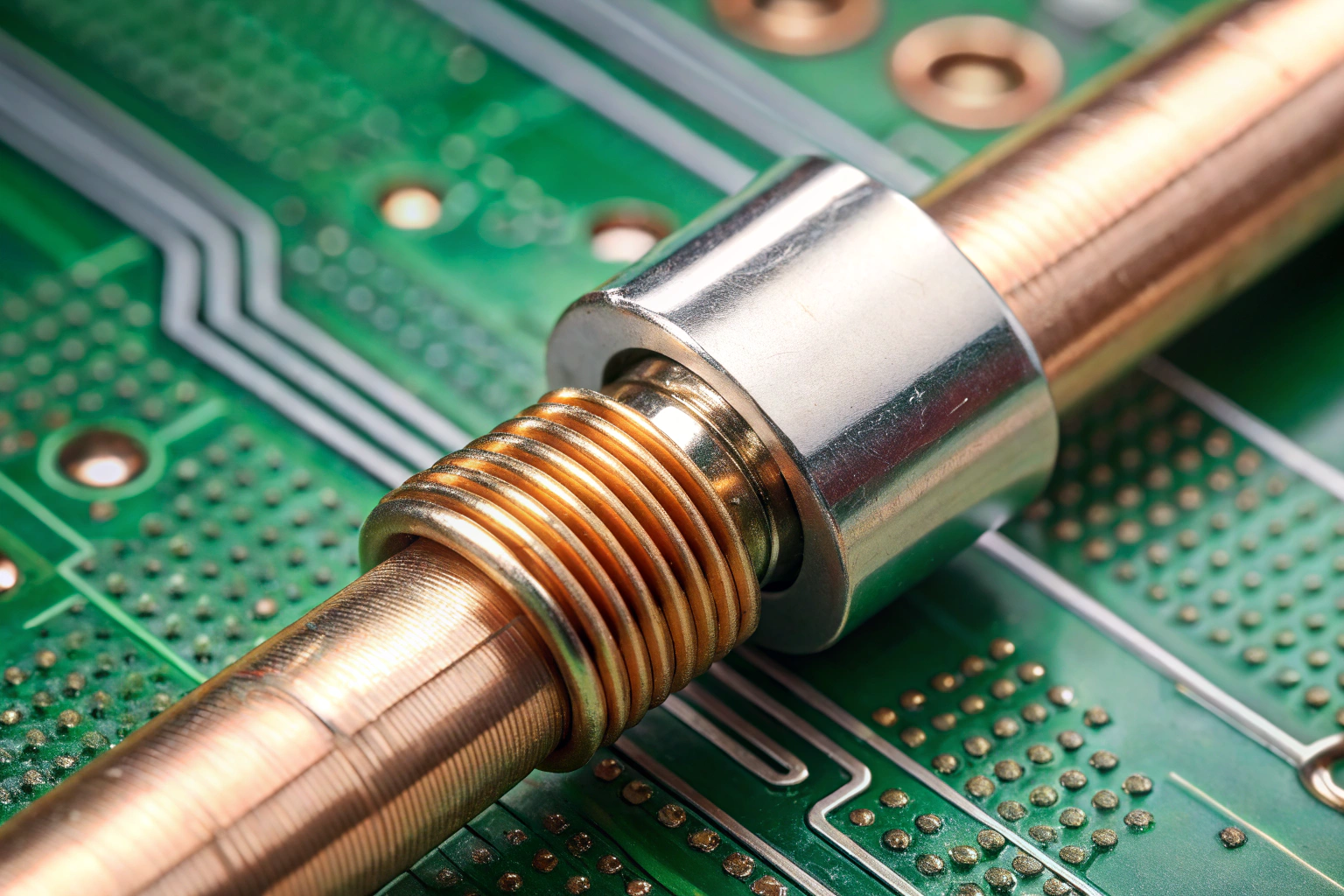
Electrical function matters more than structure.
Soldering can replace welding in applications such as:
- Electrical connections
- Signal and power transmission
- PCB assembly and wire termination
- Low-stress mechanical positioning
In these cases, soldering offers clear advantages. Low process temperature protects components. Precision is high. Automation is easy.
In manufacturing workshops, soldering is used extensively for copper, brass, and plated surfaces where electrical reliability is the priority. SMT and DIP soldering lines exist for this exact reason.
However, soldered joints are not designed to carry mechanical load, vibration, or impact. If the joint must hold weight or resist movement, soldering alone is insufficient.
Why Soldering Cannot Replace Welding in Structural Applications?
Solder lacks structural strength.
Failure is only a matter of time.
Solder alloys are soft compared to steel or aluminum. Under stress, they creep, crack, or shear. Heat accelerates this failure.
Soldering should never replace welding when:
- The joint supports weight
- The part experiences vibration or shock
- Operating temperatures are high
- Safety depends on joint strength
In industrial manufacturing, using solder instead of welding in these cases leads to hidden risks. Joints may survive initial testing but fail in real operation.
That is why design reviews clearly separate soldered electrical joints from welded structural joints. Mixing the two roles compromises reliability and safety.
How Material Type Limits Solder as a Welding Alternative?
Not all metals are solderable.
Even fewer are weldable.
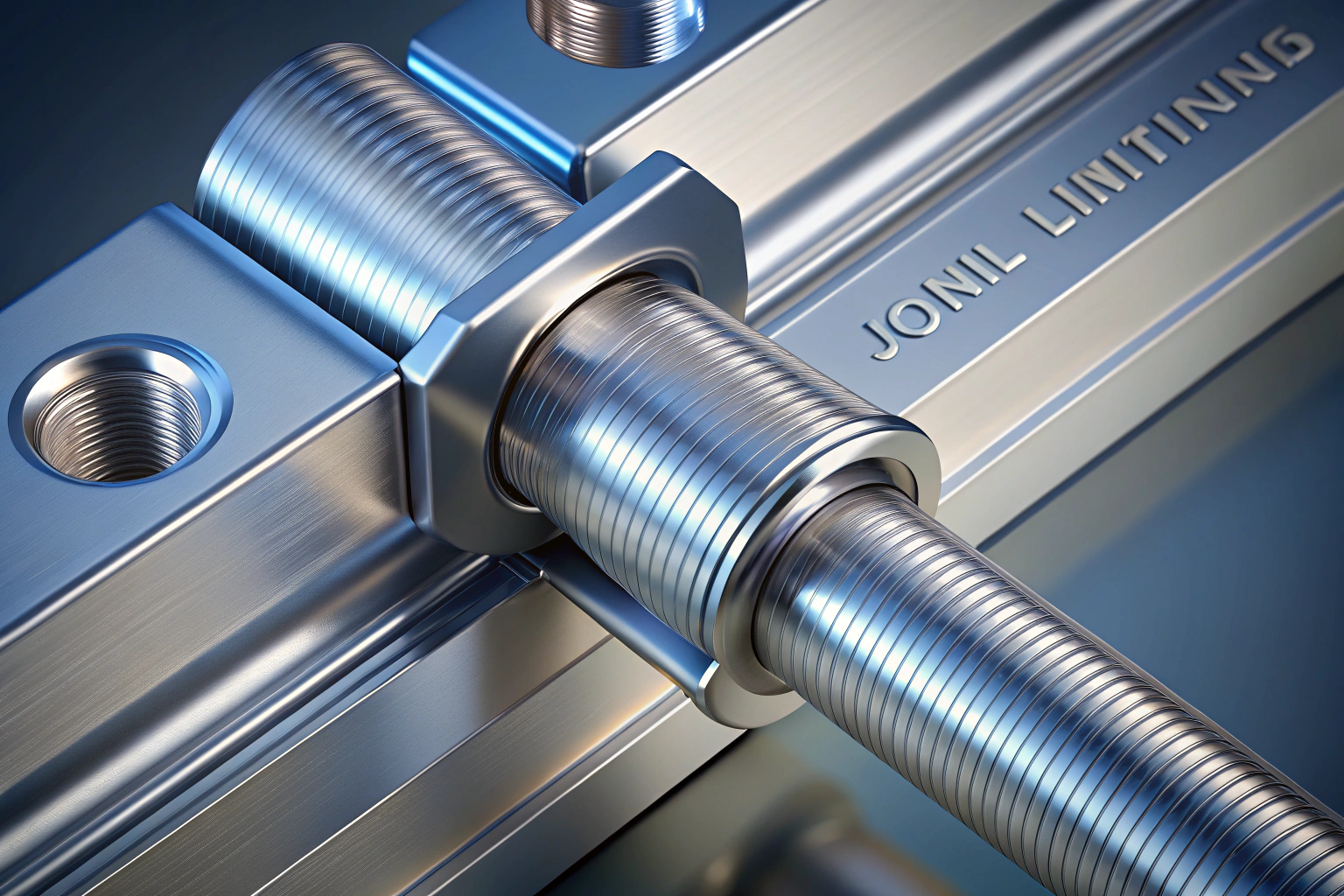
Copper and copper alloys solder easily. Steel can be soldered with difficulty. Aluminum, stainless steel, and titanium resist soldering unless special processes are used.
Welding, on the other hand, handles a broader range of structural metals but introduces heat distortion and oxidation risks.
In manufacturing, material selection is tied directly to joining method. If a design uses aluminum or stainless steel for strength, welding or mechanical fastening is usually selected from the start.
Attempting to solder incompatible metals results in weak, unreliable joints that fail quality inspection.
How Manufacturing Workshops Decide Between Soldering and Welding?
Process choice is made early.
Correction later is expensive.
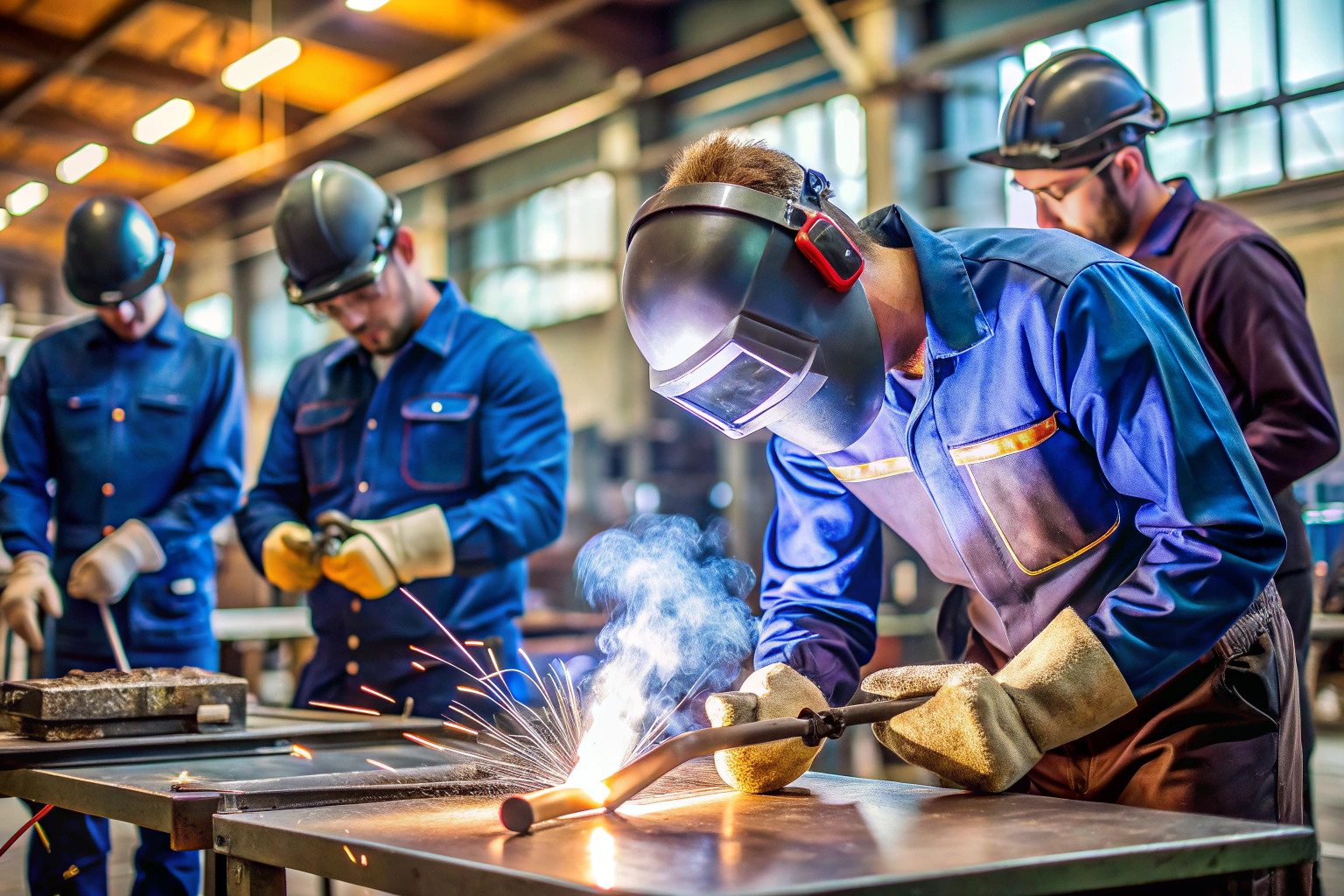
In professional workshops, the decision between soldering and welding happens during engineering review.
Factors evaluated include:
- Mechanical load requirements
- Electrical conductivity needs
- Operating temperature
- Environmental exposure
- Assembly volume and automation
Soldering lines focus on precision, cleanliness, and thermal control. Welding stations focus on penetration, shielding, and joint strength.
For products combining electronics and metal structures, both processes are often used. PCBs are soldered. Frames and enclosures are welded. Interfaces are isolated to avoid thermal damage.
Clear separation of these processes ensures stable production and predictable quality.
Can Soldering and Welding Be Used Together?
Yes, and often they must be.
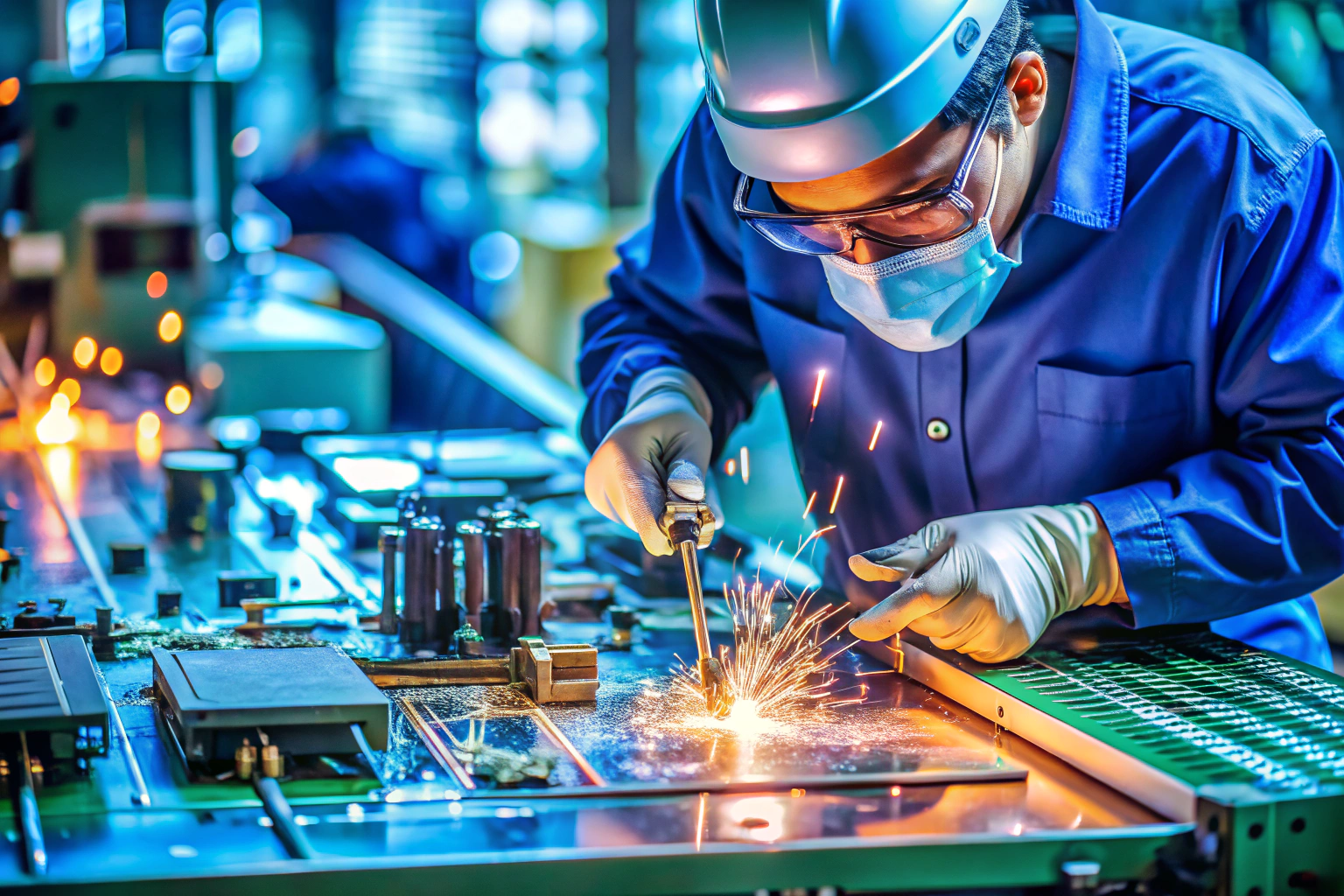
Integration requires planning.
Many industrial products combine soldered electronics with welded mechanical structures. This is common in control cabinets, power equipment, and industrial automation systems.
In these cases:
- Welding is completed first
- Heat-sensitive electronics are installed later
- Soldering is done after structural work
Manufacturing workflows are designed to protect solder joints from welding heat, vibration, and contamination. This sequencing prevents damage and rework.
Using both methods correctly allows each to perform its intended role without compromise.
Conclusion
Soldering cannot fully replace welding, and welding should not replace soldering. Each process serves a different purpose. Soldering is ideal for electrical connections, precision assembly, and low-temperature joining. Welding is essential for strength, durability, and structural integrity. In professional manufacturing, selecting the correct joining method is a design decision, not a production shortcut. Products that respect these boundaries achieve higher reliability, longer service life, and fewer failures. Using solder instead of welding only works when the application allows it. When structure, safety, or load is involved, welding remains irreplaceable.
