
Vinegar is sometimes mentioned as a quick solution for cleaning corrosion on a Printed Circuit Board (PCB). While vinegar does have chemical properties that can remove certain residues, its use on PCBs must be handled with extreme caution. In manufacturing and professional repair environments, vinegar is not considered a standard or preferred PCB cleaning agent due to its potential risks to materials and long-term reliability.
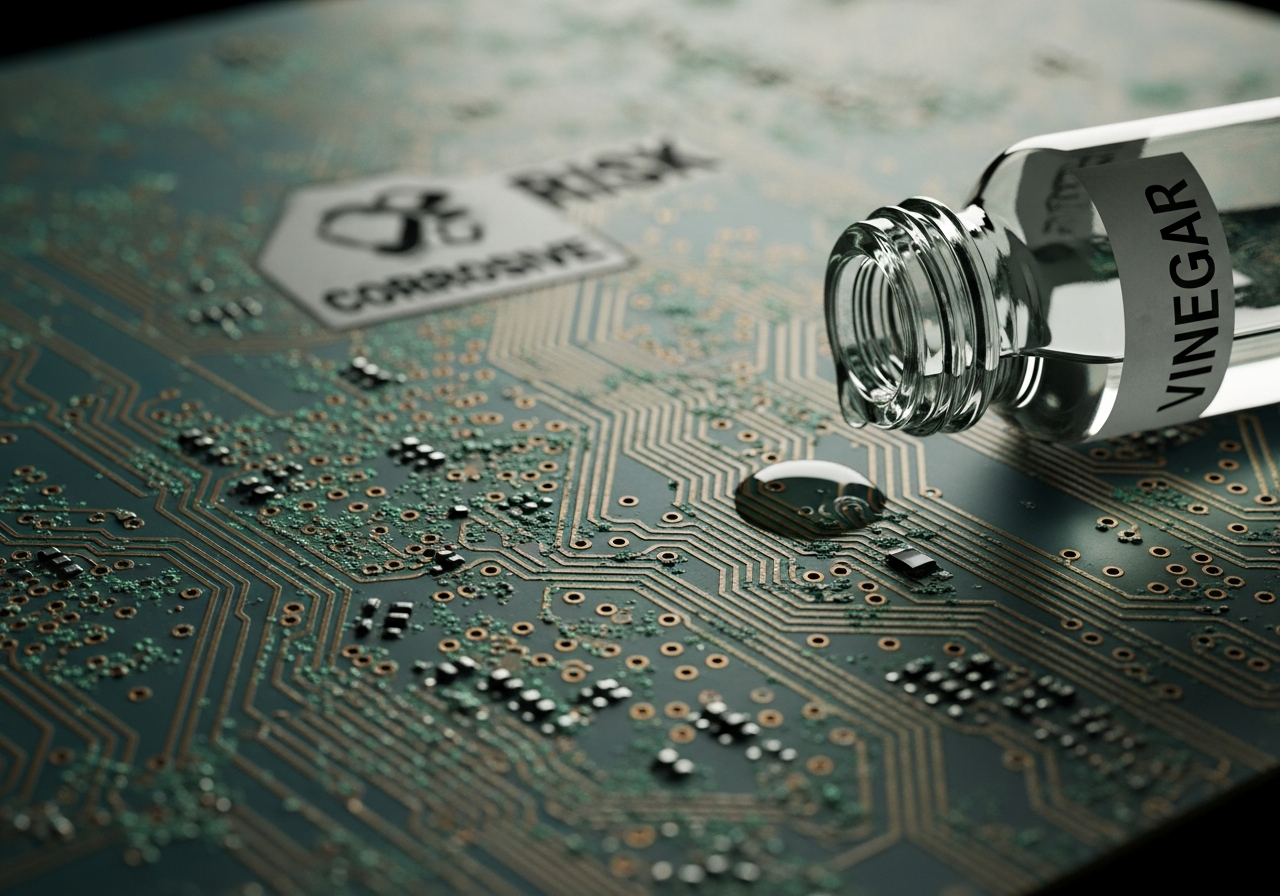
Understanding whether vinegar can be used on a PCB requires examining its chemical behavior, the types of contamination involved, and how professional factories manage PCB cleaning and corrosion control.
What Does Vinegar Do Chemically to a PCB?
Vinegar is a weak acetic acid solution. Its acidity allows it to react with alkaline substances and certain types of corrosion, especially oxidation caused by battery leakage or alkaline residue.

Chemical effects of vinegar include:
- Neutralizing alkaline corrosion
- Loosening oxide layers on metal surfaces
- Reacting with exposed copper and solder
While vinegar can remove visible corrosion, it does not stop chemical reactions permanently. If not thoroughly removed, acidic residue can remain on the PCB surface and continue reacting with copper traces or solder joints over time.
In manufacturing environments, any chemical applied to a PCB must be fully controlled and fully removed to avoid latent failures.
When Is Vinegar Sometimes Used on a PCB?
Vinegar is occasionally used in limited, non-production scenarios to address specific corrosion problems.

Situations where vinegar may be applied include:
- Alkaline battery leakage residue
- Surface corrosion on connectors or pads
- Temporary evaluation or failure analysis boards
Even in these cases, vinegar is applied only in small amounts and only to affected areas. The PCB is then thoroughly cleaned and dried. Vinegar is not suitable for general PCB cleaning, flux removal, or routine maintenance.
In professional factories, such use is considered a temporary corrective action, not a standardized process.
What Are the Risks of Using Vinegar on a PCB?
Using vinegar on a PCB introduces several technical and reliability risks.
Key risks include:
- Acid residue causing long-term corrosion
- Damage to solder mask and silkscreen
- Increased leakage currents
- Corrosion of exposed copper and vias
If vinegar seeps under components such as QFN or BGA packages, it becomes extremely difficult to remove. Trapped acid can slowly degrade solder joints or copper pads, leading to delayed failure.
From a manufacturing quality perspective, uncontrolled chemical use is one of the most common sources of latent defects.
How Do Factory Workshops Clean PCBs Properly?
Professional manufacturing facilities use controlled and validated PCB cleaning methods instead of household chemicals.
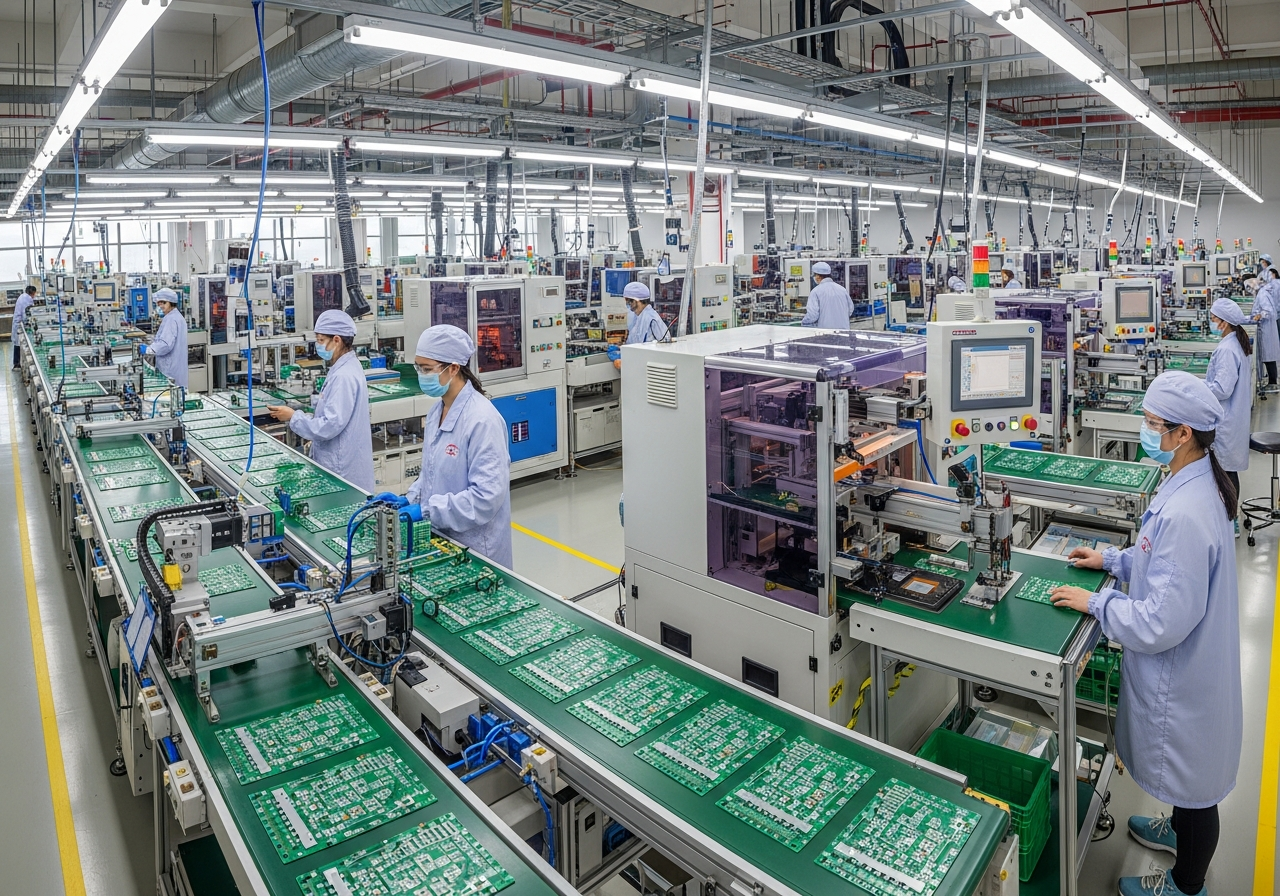
Standard factory cleaning methods include:
- Deionized water cleaning with controlled drying
- Dedicated PCB cleaning solutions
- Isopropyl alcohol for flux removal
- Automated cleaning systems with residue testing
After cleaning, boards are dried using controlled temperature and airflow. Residue testing may be performed to confirm ionic contamination levels are within acceptable limits.
These processes ensure that no conductive or corrosive substances remain on the PCB surface.
Can Vinegar Damage PCB Reliability Over Time?
Yes, even if a PCB appears to work after vinegar cleaning, long-term reliability may be compromised.
Potential long-term issues include:
- Progressive copper trace thinning
- Solder joint weakening
- Insulation resistance reduction
- Intermittent electrical faults
Manufacturing quality systems focus heavily on preventing such latent defects. A PCB that passes initial testing but fails months later represents a serious quality and cost risk.
This is why vinegar is avoided in production and qualified repair processes.
What Should Be Done If Vinegar Is Used on a PCB?
If vinegar has already been applied to a PCB, immediate corrective steps are required.
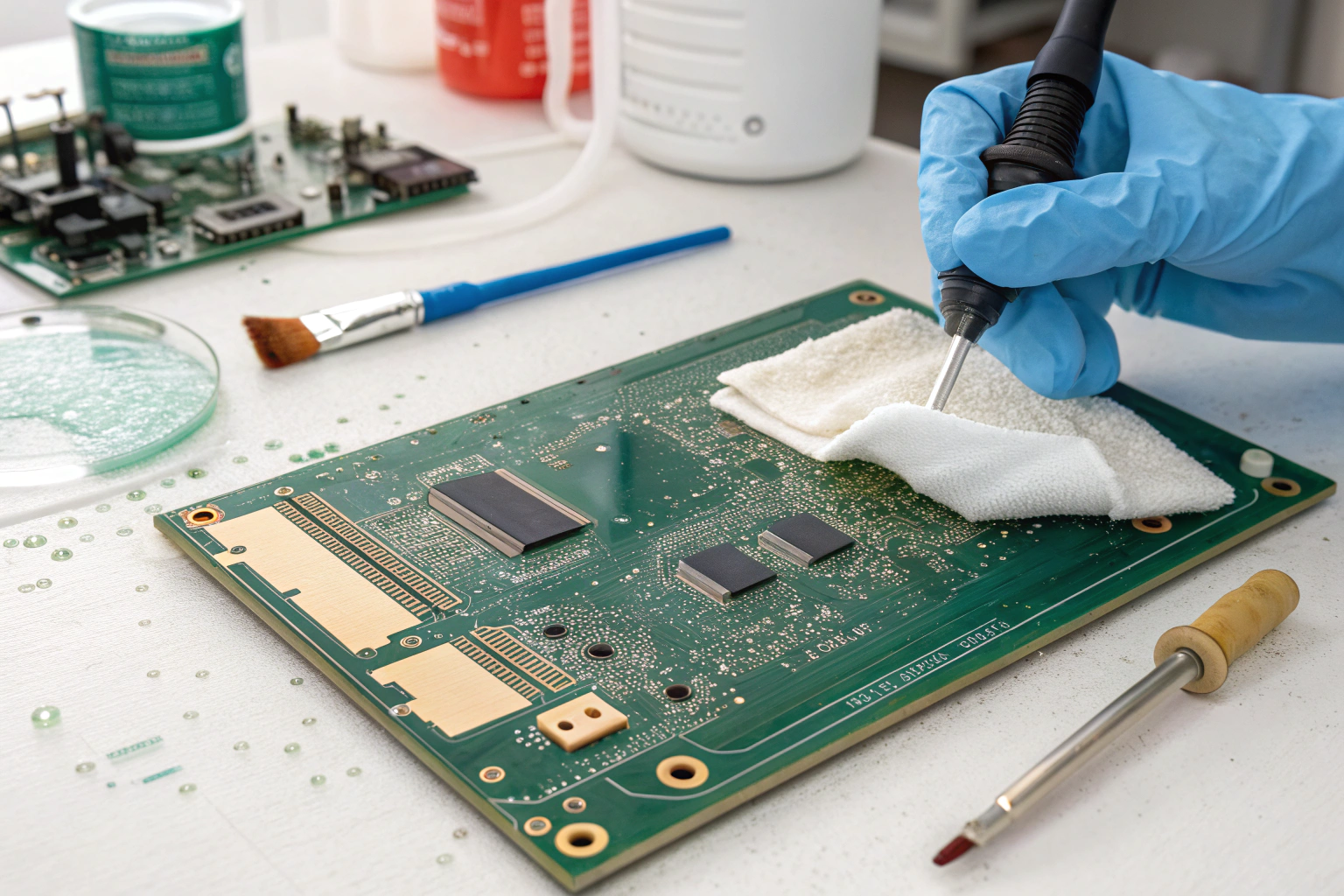
Recommended actions include:
- Thorough rinsing with deionized water
- Follow-up cleaning with isopropyl alcohol
- Complete drying under controlled conditions
- Electrical and functional retesting
In manufacturing environments, boards treated with uncontrolled chemicals are often isolated for additional inspection. If corrosion risk cannot be ruled out, the board may be rejected to protect overall product reliability.
Conclusion
Vinegar can remove certain types of corrosion on a PCB, but it is not a safe or recommended cleaning solution for professional electronics manufacturing. Its acidic nature introduces serious risks of residue, corrosion, and long-term reliability failure if not perfectly controlled and removed. In factory environments, PCB cleaning is performed using validated chemicals, controlled processes, and thorough drying to ensure electrical and material stability. Vinegar may have limited use in specific, non-production scenarios, but from a manufacturing perspective, prevention, proper cleaning agents, and process discipline are always the preferred and safer approach for maintaining PCB quality and long-term performance.
