
PCB and PCBA are closely related but not the same thing. A PCB (Printed Circuit Board) is the bare board with copper traces, while a PCBA (Printed Circuit Board Assembly) is the finished board after electronic components are mounted and soldered, making it fully functional.
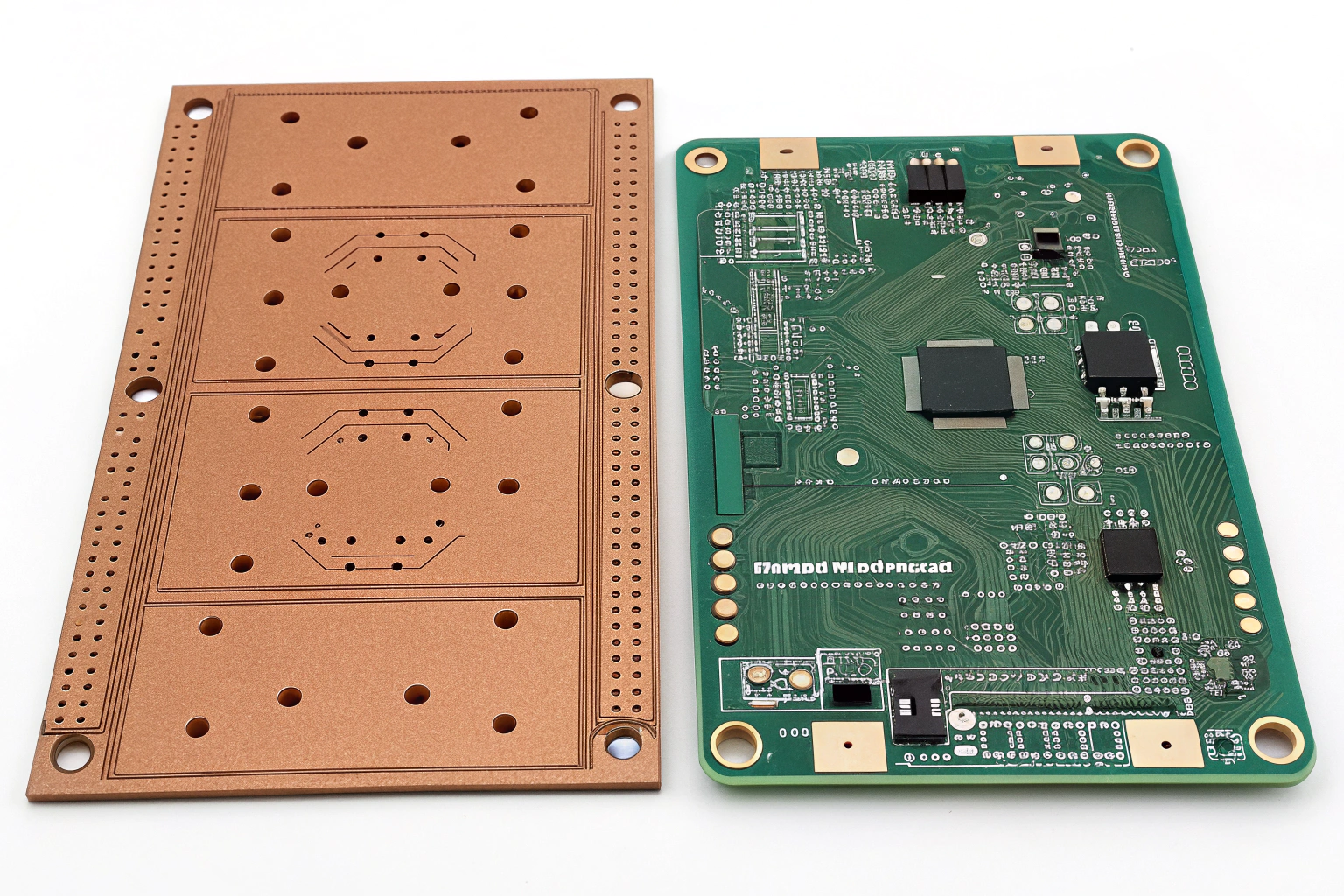
Understanding this difference is critical in electronics manufacturing, cost evaluation, and product development.
In simple terms: PCB is the foundation, PCBA is the working product.
What Is a PCB?
A PCB is the physical platform.
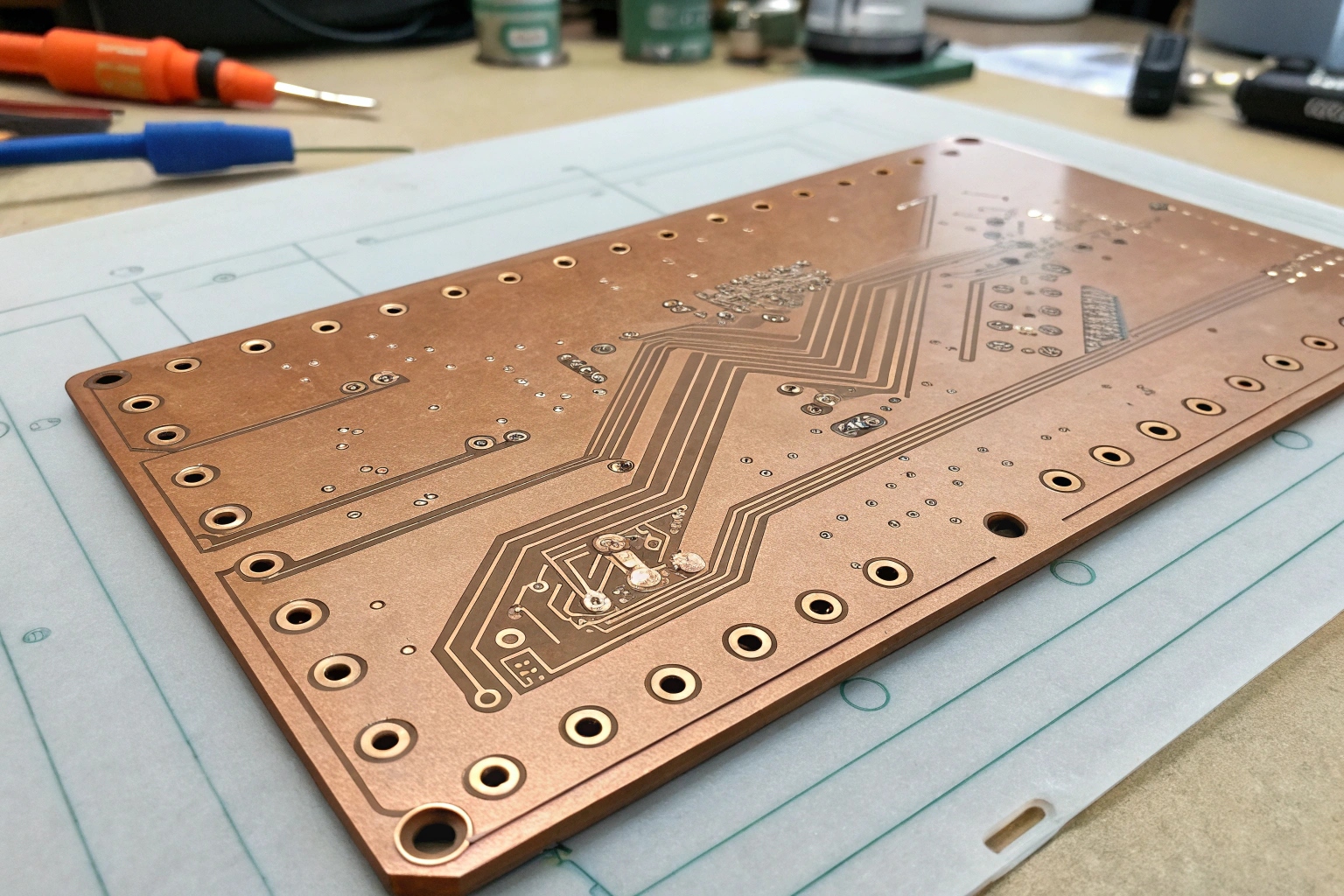
It does not function on its own.
A PCB (Printed Circuit Board) is a board made from insulating material such as FR4, with copper traces etched on one or more layers. These traces form the electrical pathways that connect components together.
A PCB includes:
- Copper traces and planes
- Solder mask layer
- Silkscreen markings
- Defined pad and via structures
At this stage, there are no electronic components installed. The PCB cannot power on, process signals, or perform any function.
From a manufacturing perspective, PCB fabrication focuses on:
- Layer stack-up accuracy
- Copper thickness and adhesion
- Trace width and spacing control
- Surface finish quality
A high-quality PCB is essential, but it is only the first step.
What Is a PCBA?
A PCBA is a fully assembled circuit board.
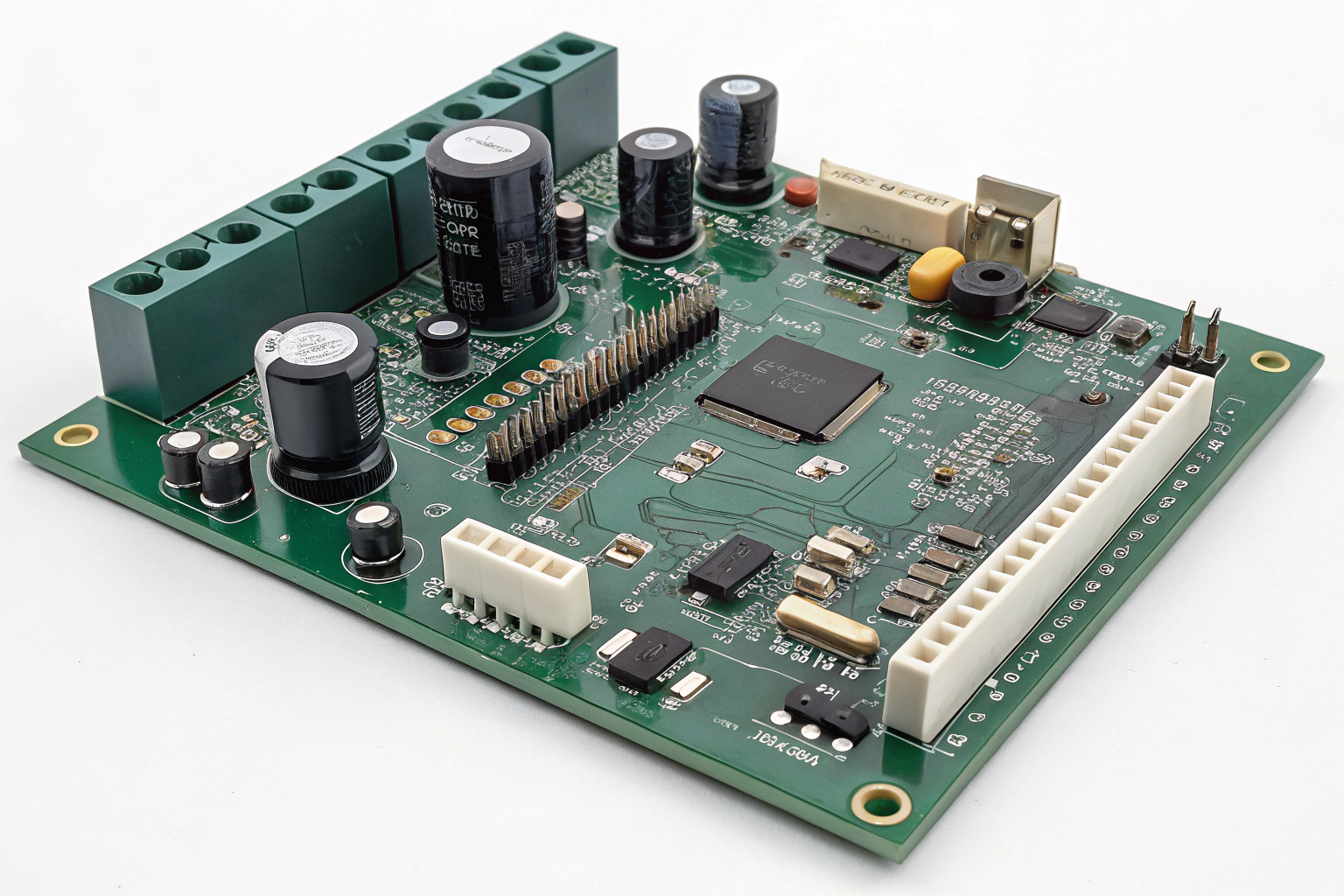
It is electrically functional.
PCBA stands for Printed Circuit Board Assembly. It refers to a PCB after electronic components have been mounted and soldered onto it.
A PCBA typically includes:
- ICs, resistors, capacitors, and connectors
- SMT and/or through-hole components
- Solder joints created by reflow or wave soldering
Once assembled, the PCBA can:
- Power on
- Execute logic or control functions
- Communicate with other systems
- Perform its intended role in a product
PCBA is what actually goes into an electronic device. Without PCBA, the product cannot work.
Key Differences Between PCB and PCBA
The difference is not just terminology.
It reflects manufacturing stage and function.
| Aspect | PCB | PCBA |
|---|---|---|
| Definition | Bare circuit board | Assembled circuit board |
| Components | None | Installed and soldered |
| Functionality | Non-functional | Fully functional |
| Manufacturing focus | Board fabrication | Assembly, soldering, testing |
| Value level | Structural foundation | Functional core |
From a cost perspective, PCB cost is only a portion of total electronic manufacturing cost. PCBA includes labor, components, testing, and process control.
How Manufacturing Processes Differ for PCB and PCBA?
PCB and PCBA require different factories.
Processes and equipment are not the same.
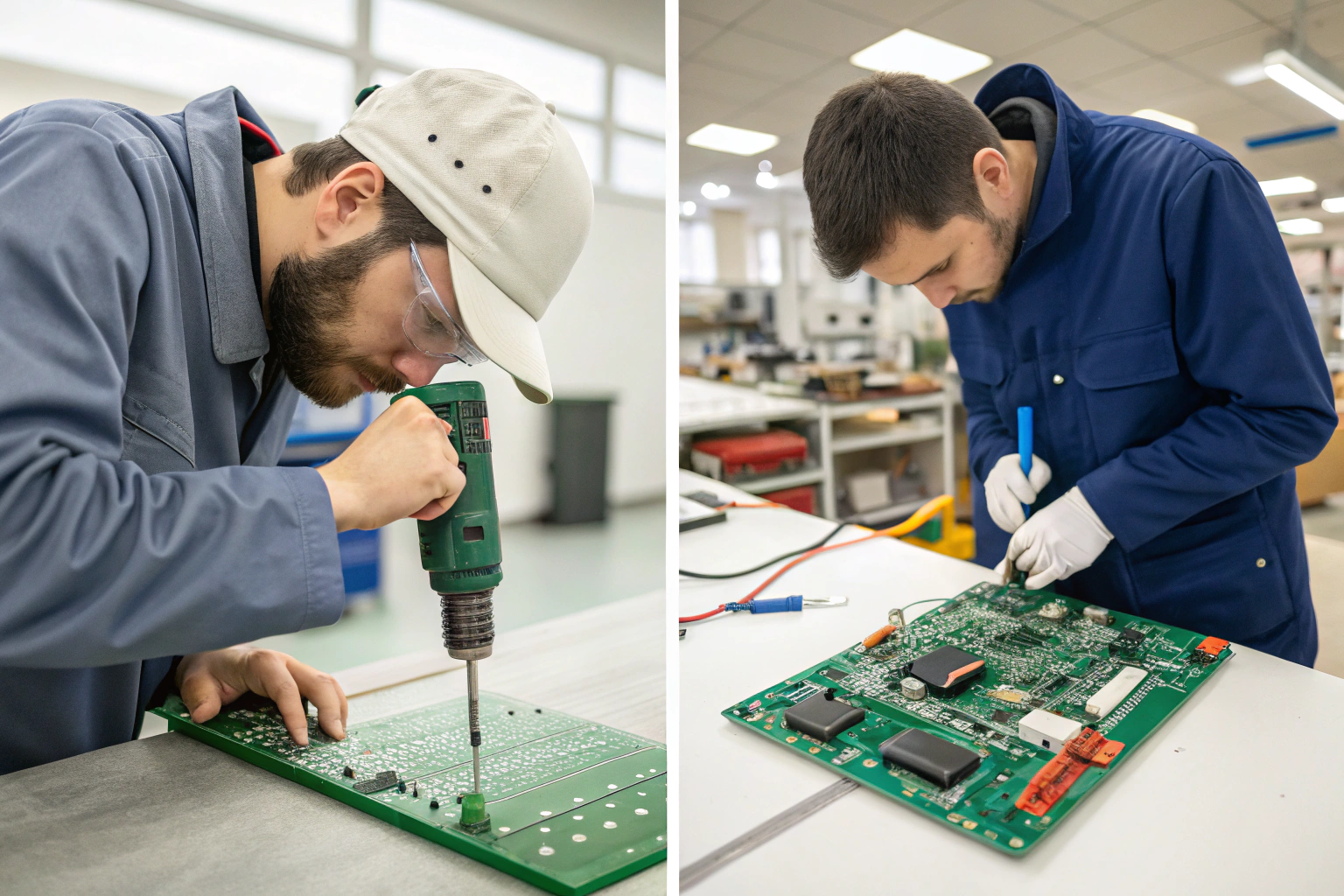
PCB manufacturing involves:
- Lamination and drilling
- Copper plating and etching
- Solder mask and surface finish
- Electrical testing of bare boards
PCBA manufacturing involves:
- Solder paste printing
- SMT placement
- Reflow soldering
- DIP or selective soldering
- AOI, X-ray, and functional testing
A PCB factory produces boards.
A PCBA factory turns those boards into working electronics.
In professional manufacturing, PCB quality and PCBA quality must match. A good PCBA cannot compensate for a poor PCB, and a perfect PCB still fails if assembly is unstable.
Why PCB Can Exist Without PCBA, but PCBA Cannot Exist Without PCB?
PCB is a prerequisite.
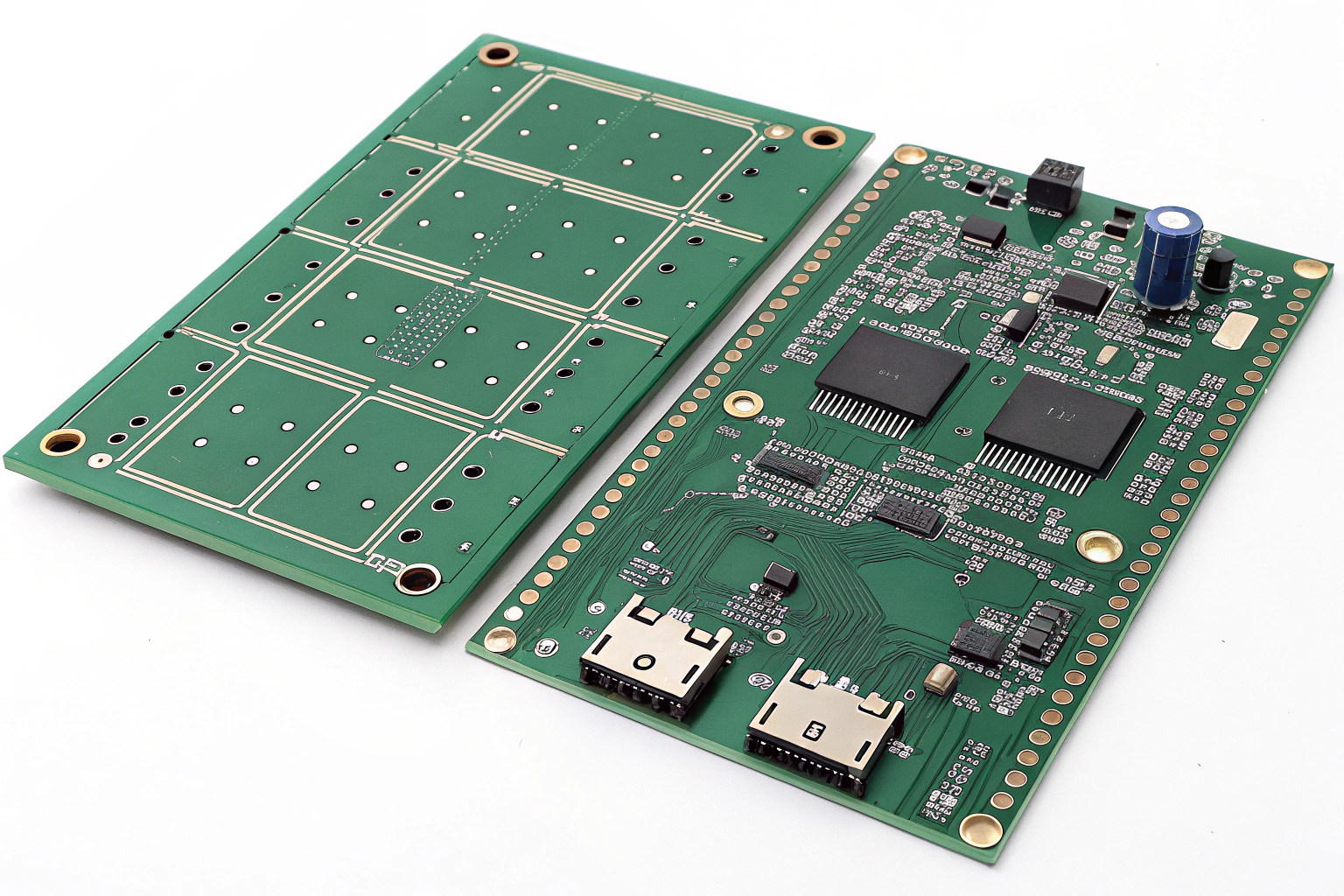
PCBA depends entirely on it.
A PCB can be manufactured, stored, shipped, or sold as a standalone product. Many companies source PCBs separately before assembly.
A PCBA, however, cannot exist without a PCB. It is the PCB plus assembly.
This dependency means:
- PCB design affects PCBA yield
- PCB material affects soldering quality
- PCB layout affects assembly reliability
That is why design-for-manufacturing review is critical before PCBA production begins.
How PCB and PCBA Affect Product Reliability Differently?
PCB defines structure.
PCBA defines performance.
PCB reliability depends on:
- Laminate quality
- Copper adhesion
- Layer integrity
- Thermal stability
PCBA reliability depends on:
- Solder joint quality
- Component placement accuracy
- Process control during assembly
- Cleanliness and testing
Most field failures are linked to PCBA issues such as solder fatigue or assembly defects, not bare PCB defects. However, weak PCB materials accelerate those failures.
High-reliability products require both a strong PCB and a disciplined PCBA process.
How Factories Treat PCB and PCBA as Two Controlled Stages
Professional manufacturing separates responsibilities.
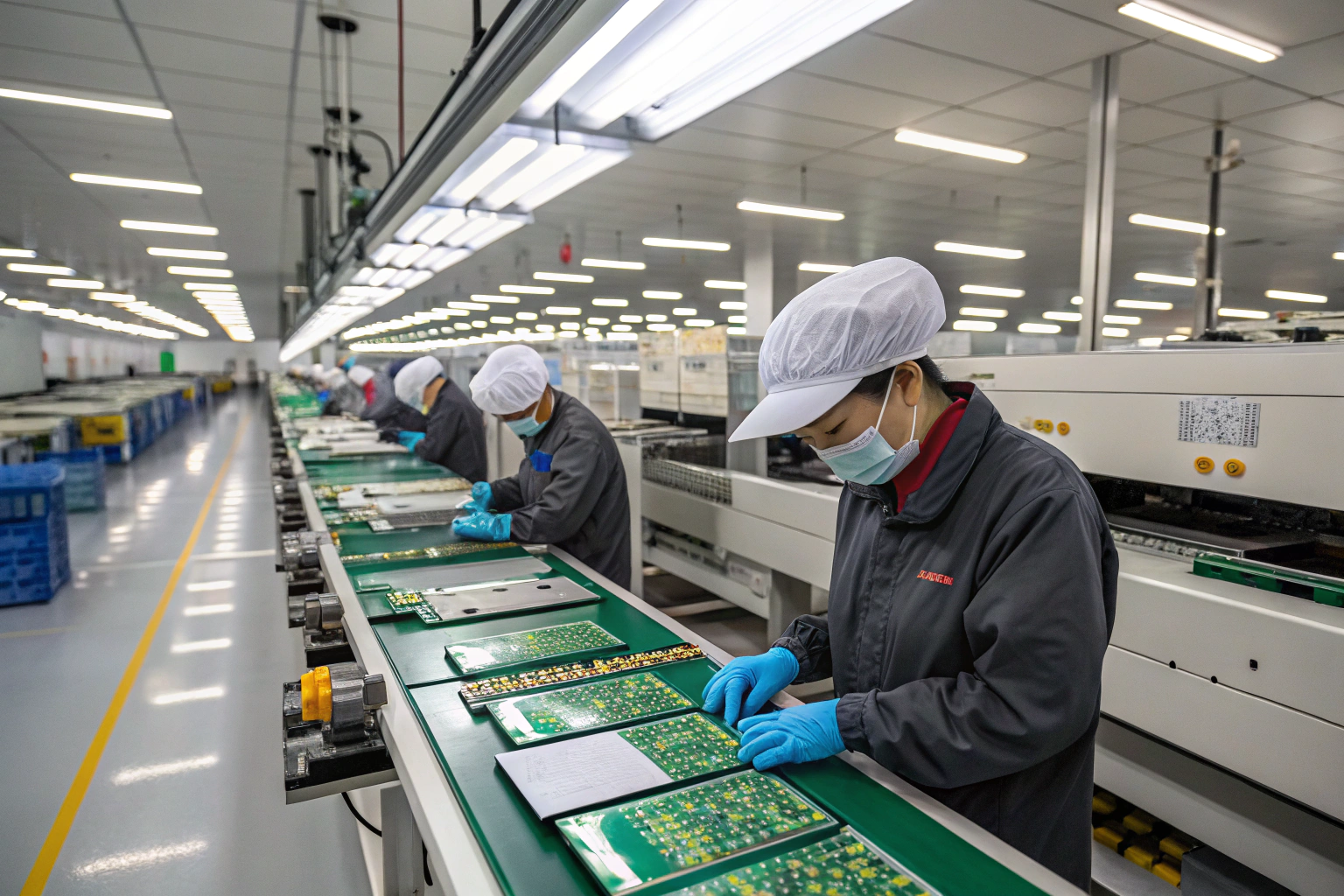
Each stage has its own quality control.
In controlled factory workshops:
- PCBs are inspected before assembly
- Surface finish and flatness are verified
- Assembly parameters are tuned per PCB type
- Testing confirms final PCBA performance
This separation ensures traceability and consistent quality. Problems are traced back to either PCB fabrication or PCBA assembly, not mixed together.
Conclusion
PCB and PCBA differ in both form and function. A PCB is the bare circuit board that provides electrical pathways, while a PCBA is the completed, functional assembly with components soldered in place. PCB manufacturing focuses on materials and structure, while PCBA manufacturing focuses on assembly, soldering, and testing. One cannot replace the other, and neither alone guarantees product success. Reliable electronic products are built when high-quality PCBs are combined with disciplined PCBA processes, controlled factory environments, and thorough inspection at every stage.
