
Measuring a live wire with a multimeter is a common electrical test, but it is also one of the highest-risk operations in electronics and electrical work. Direct contact with live conductors can cause electric shock, burns, equipment damage, or even fatal accidents if proper procedures are not followed. In manufacturing and testing environments, live-wire measurement is treated as a controlled operation with strict safety rules.

Whether it is safe to touch a live wire with a multimeter depends on voltage level, measurement method, equipment rating, and operator discipline. The following sections explain the risks, correct practices, and how factory workshops manage live electrical testing safely.
What Does “Touching a Live Wire” with a Multimeter Mean?
Touching a live wire with a multimeter does not mean direct skin contact. It refers to placing multimeter probes on energized conductors to measure voltage, current, or signal behavior.

Typical live measurements include:
- AC mains voltage measurement
- DC power rail verification
- Control signal level checking
- Output voltage confirmation
In professional environments, probes—not hands—are the only point of contact. Any direct physical contact with live conductors is strictly prohibited. The multimeter acts as an electrical interface, but incorrect use can still expose the operator to danger.
What Are the Main Risks When Measuring Live Wires?
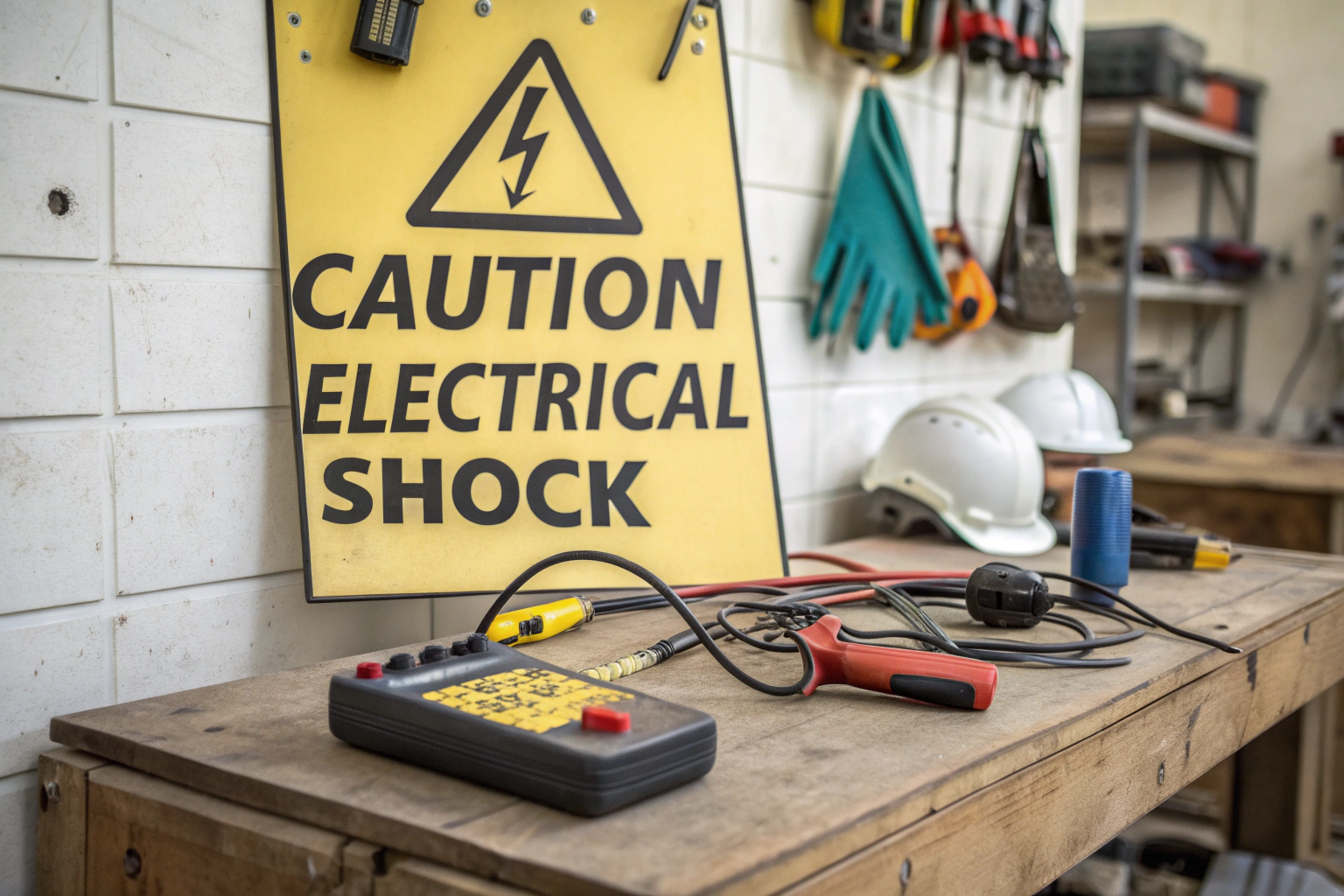
Live wire measurement carries multiple safety risks, even at relatively low voltages.
Primary risks include:
- Electric shock due to accidental contact
- Arc flash from probe shorting
- Burns from high current paths
- Damage to the multimeter or circuit
Accidental probe slip is one of the most common causes of injury. If probes short two points, a sudden arc or current surge can occur. In industrial and control systems, stored energy in capacitors can further increase danger even after power is removed.
Is It Ever Safe to Measure a Live Wire with a Multimeter?
Measuring a live wire can be safe only when strict conditions are met.
Safe conditions include:
- Properly rated multimeter and probes
- Correct measurement mode selection
- Insulated probes with intact tips
- Stable hand positioning and clear access
- Awareness of voltage and current levels
In factory workshops, multimeters are selected based on measurement category ratings. Using under-rated tools on high-voltage circuits is not permitted. Safety procedures require verification of tool condition before any live test.
How Do Factory Workshops Control Live Electrical Testing?
Manufacturing environments treat live testing as a controlled process rather than a routine action.

Common workshop controls include:
- Defined live-test procedures
- Insulated workbenches and mats
- Mandatory personal protective equipment
- Restricted access to live test areas
Live testing is usually limited to trained technicians. Whenever possible, measurements are performed using test points, connectors, or fixtures designed for safe probing. Direct contact with exposed conductors is avoided by design.
Why Is Correct Multimeter Setup Critical for Safety?
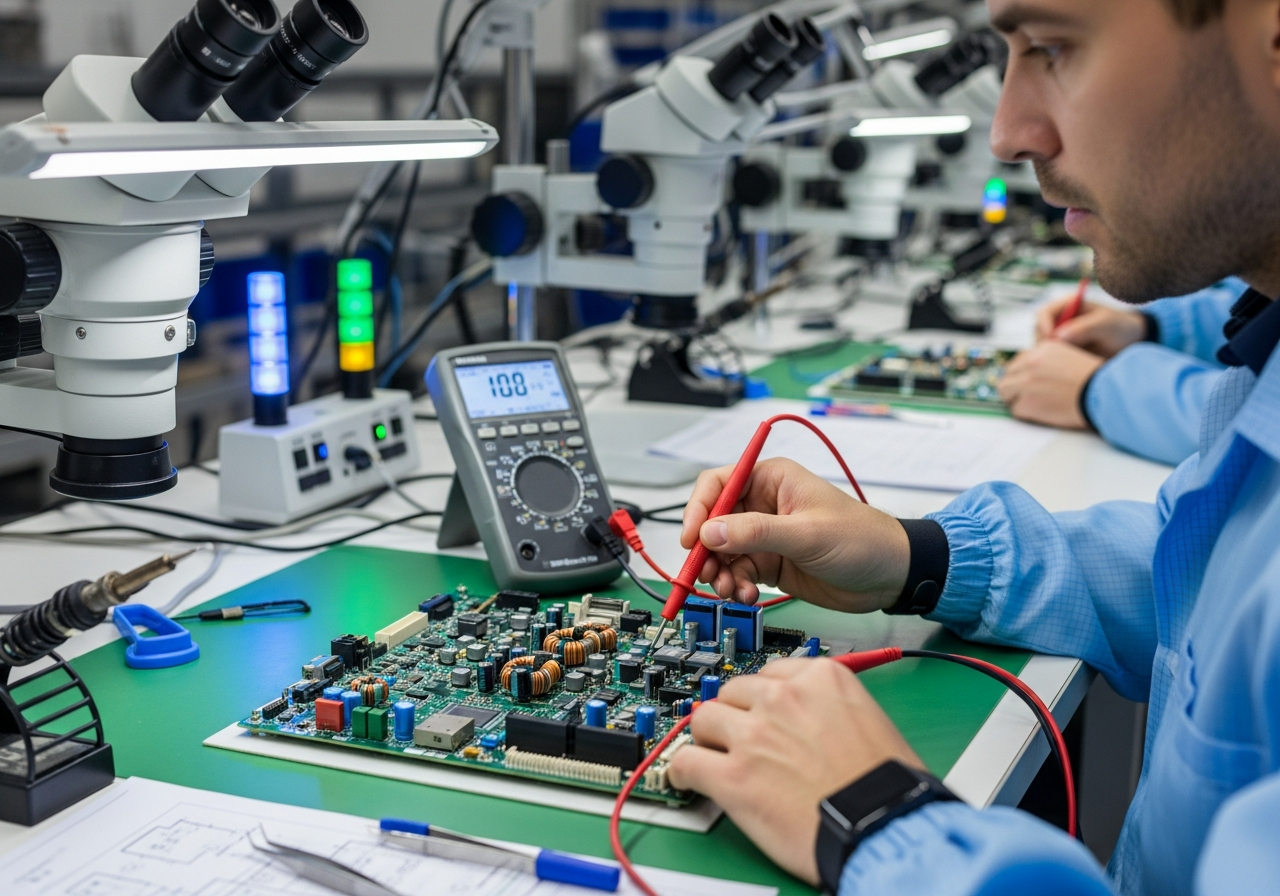
Incorrect multimeter settings are a major cause of electrical accidents.
Common setup errors include:
- Measuring voltage while in current mode
- Using damaged or mismatched probes
- Selecting incorrect measurement range
- Failing to confirm meter category rating
In manufacturing processes, tool setup verification is a mandatory step. Incorrect configuration can cause the multimeter to short the circuit internally, leading to sparks, meter damage, or personal injury.
How Do Manufacturing Processes Reduce the Need for Live Testing?
Professional manufacturing systems aim to minimize live wire testing wherever possible.
Process strategies include:
- Designated test points on PCBs
- Automated testing systems
- Current-limited power supplies
- Pre-power inspection and isolation testing
Automation and fixture-based testing reduce human exposure to live circuits. Live measurements are reserved for validation, troubleshooting, or final verification steps, not routine inspection.
What Are the Long-Term Risks of Unsafe Live Testing?
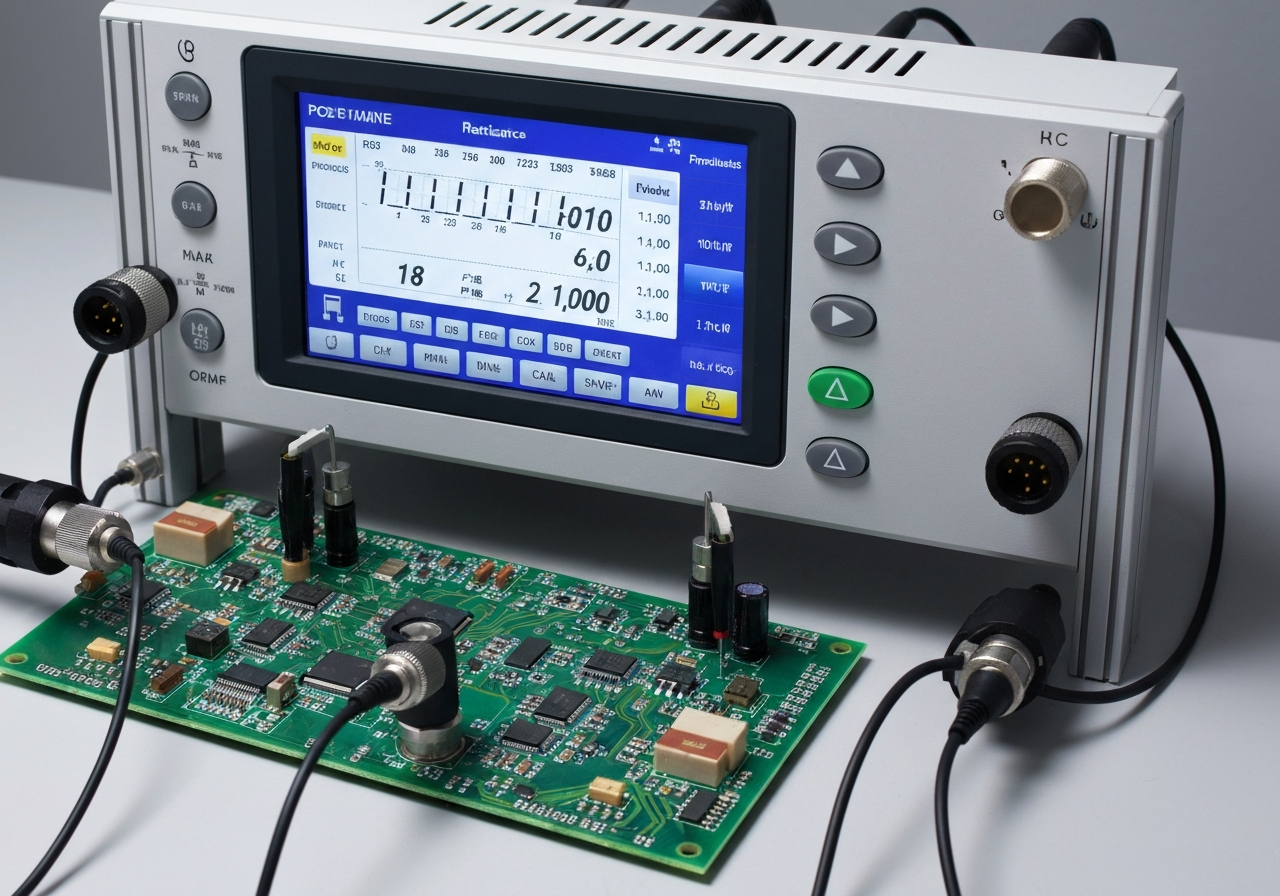
Unsafe live testing practices may not cause immediate injury but can create hidden risks.
Long-term consequences include:
- Cumulative equipment damage
- Increased accident probability
- Inconsistent test results
- Reduced workplace safety culture
Manufacturing quality and safety systems treat electrical safety as a core discipline. Poor live testing habits often correlate with higher defect rates and workplace incidents.
Conclusion
Touching a live wire with a multimeter is only safe when performed indirectly, with proper tools, correct settings, and strict safety controls. In manufacturing and testing environments, live electrical measurement is a controlled operation governed by equipment ratings, workshop procedures, and operator training. Direct contact with live conductors is never acceptable. By combining disciplined processes, insulated tools, protective equipment, and thoughtful test design, electrical measurements can be performed safely while protecting both personnel and product reliability.
