
SMA and BNC are two of the most widely used RF connectors, each offering unique electrical and mechanical advantages. SMA provides high-frequency precision, while BNC offers quick-connect convenience for test and measurement.
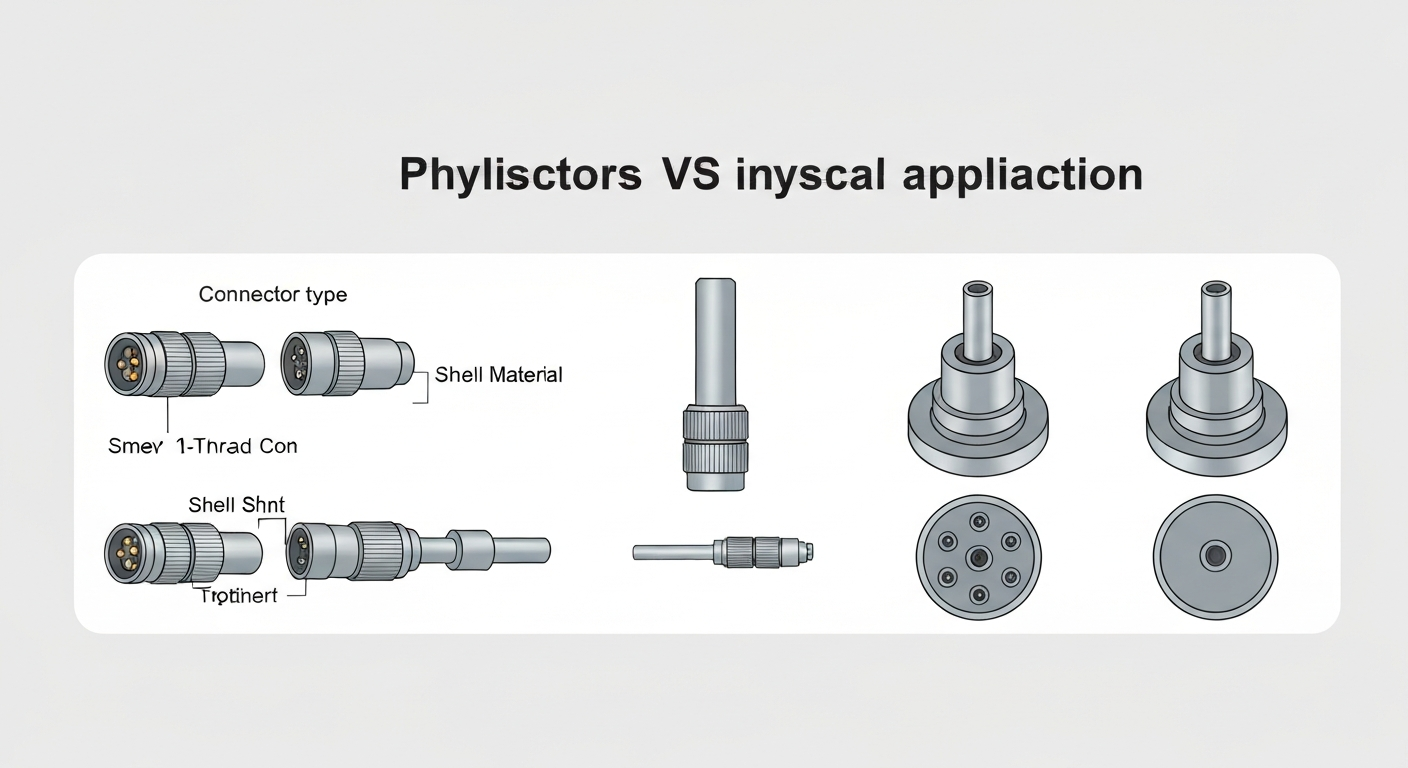
Both connector types serve different engineering needs. Knowing their differences helps designers choose the right interface for antennas, RF modules, test equipment, or communication devices.
What are SMA connectors?
RF systems often need compact, high-frequency connectors that maintain signal integrity. SMA satisfies this requirement with excellent precision.
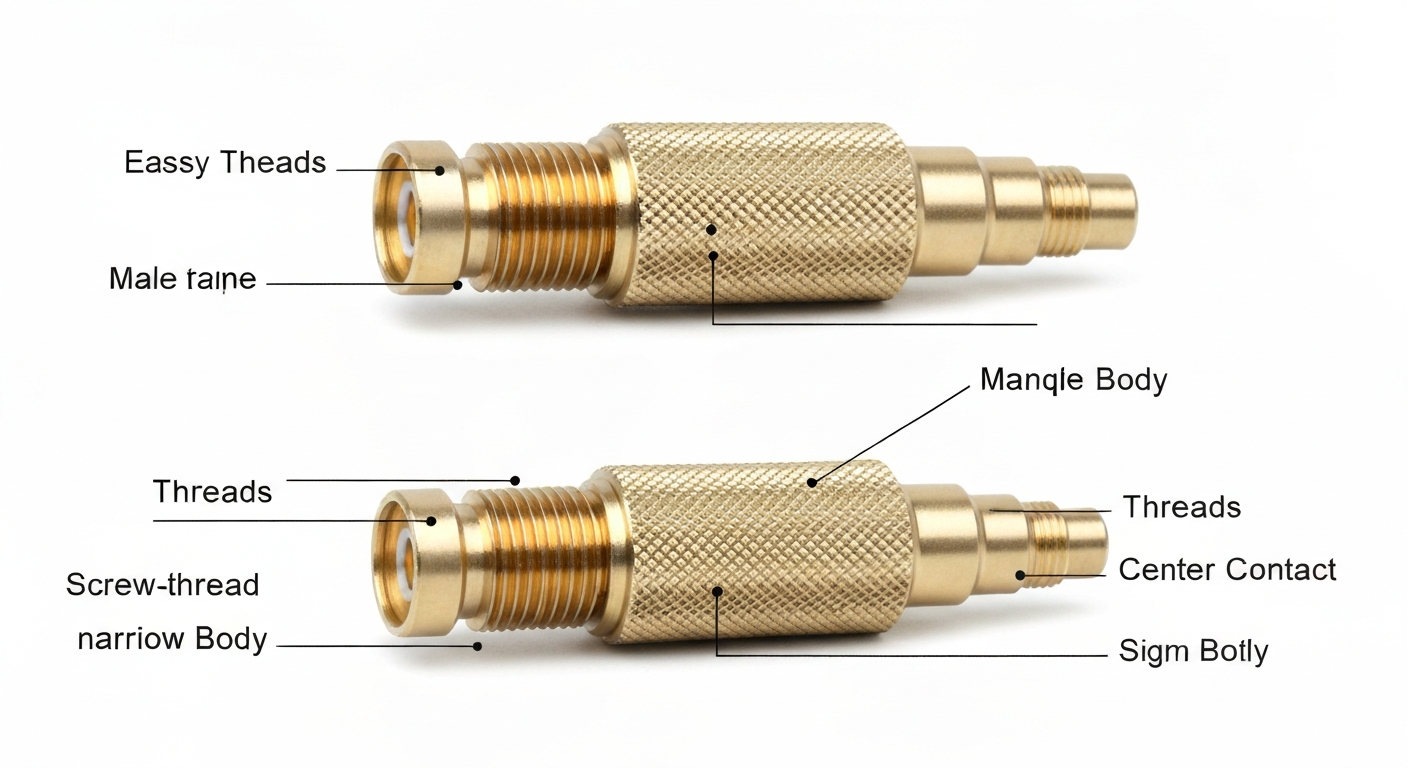
SMA connectors are small threaded RF connectors designed for frequencies up to 18 GHz or higher, commonly used in wireless modules and high-frequency circuits.
Deeper Insight
SMA (SubMiniature version A) uses a screw-type interface, giving strong mechanical stability and low signal loss. These connectors use 50-ohm impedance and support applications such as Wi-Fi modules, GPS boards, cellular antennas, RF front ends, and laboratory instruments.
Their compact size makes SMA ideal for IoT modules, sensor hubs, and embedded wireless products where board space is limited. SMA also maintains consistent electrical performance, which is critical for RF calibration, antenna matching, and controlled-impedance PCB design.
Manufacturers working with RF PCBA rely on SMA for stable solder joints, secure panel mounting, and repeatable electrical behavior. Engineering teams evaluate pad layout, grounding, and mechanical reinforcement during DFM review to avoid impedance issues or connector stress. For small-batch OEM work, precise SMA integration ensures stable wireless performance from prototype to mass production.
What are BNC connectors?
Some applications prioritize fast connection and disconnection rather than extreme frequency performance. BNC satisfies this need with a simple bayonet design.
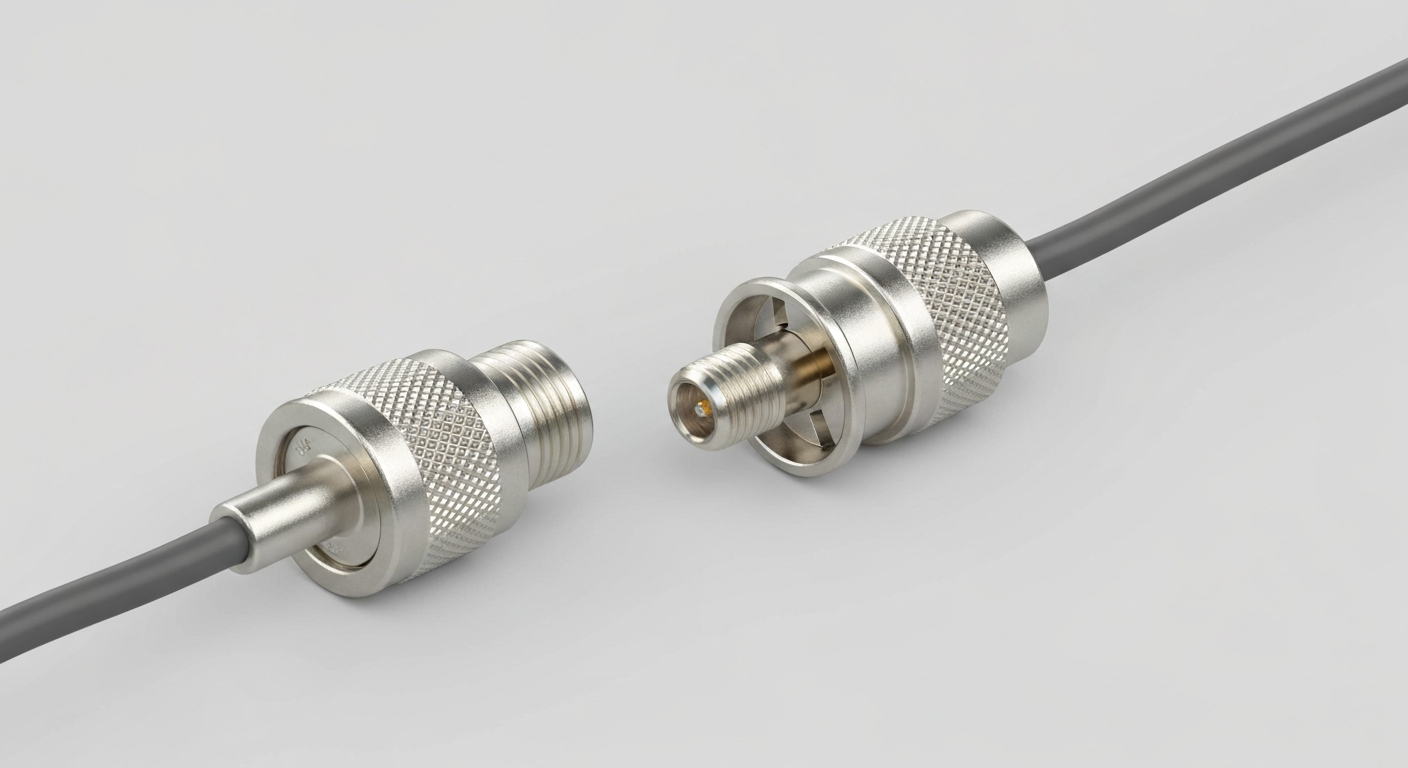
BNC connectors are quick-lock RF connectors used mostly for test equipment, video systems, and mid-frequency RF applications up to 4 GHz.
Deeper Insight
BNC (Bayonet Neill–Concelman) connectors use a twist-lock mechanism, making them ideal for frequent plugging and unplugging. Although originally designed for lower-frequency use, modern versions support up to 4 GHz depending on quality grade.
BNC is common in oscilloscopes, signal generators, broadcast equipment, CCTV systems, and laboratory setups. Its convenience and robust mechanical feel make it preferred for measurement scenarios where engineers frequently switch cables.
In manufacturing environments, BNC is widely used for ICT fixtures, functional test benches, and RF validation stations. Reliable BNC termination ensures repeatable signals during quality inspection. For industrial and communication customers, proper BNC integration improves test stability and reduces calibration drift.
SMA vs. BNC: What are the main differences?
Although both belong to the RF family, SMA and BNC serve very different purposes. Their differences affect frequency range, mechanical strength, size, and application.
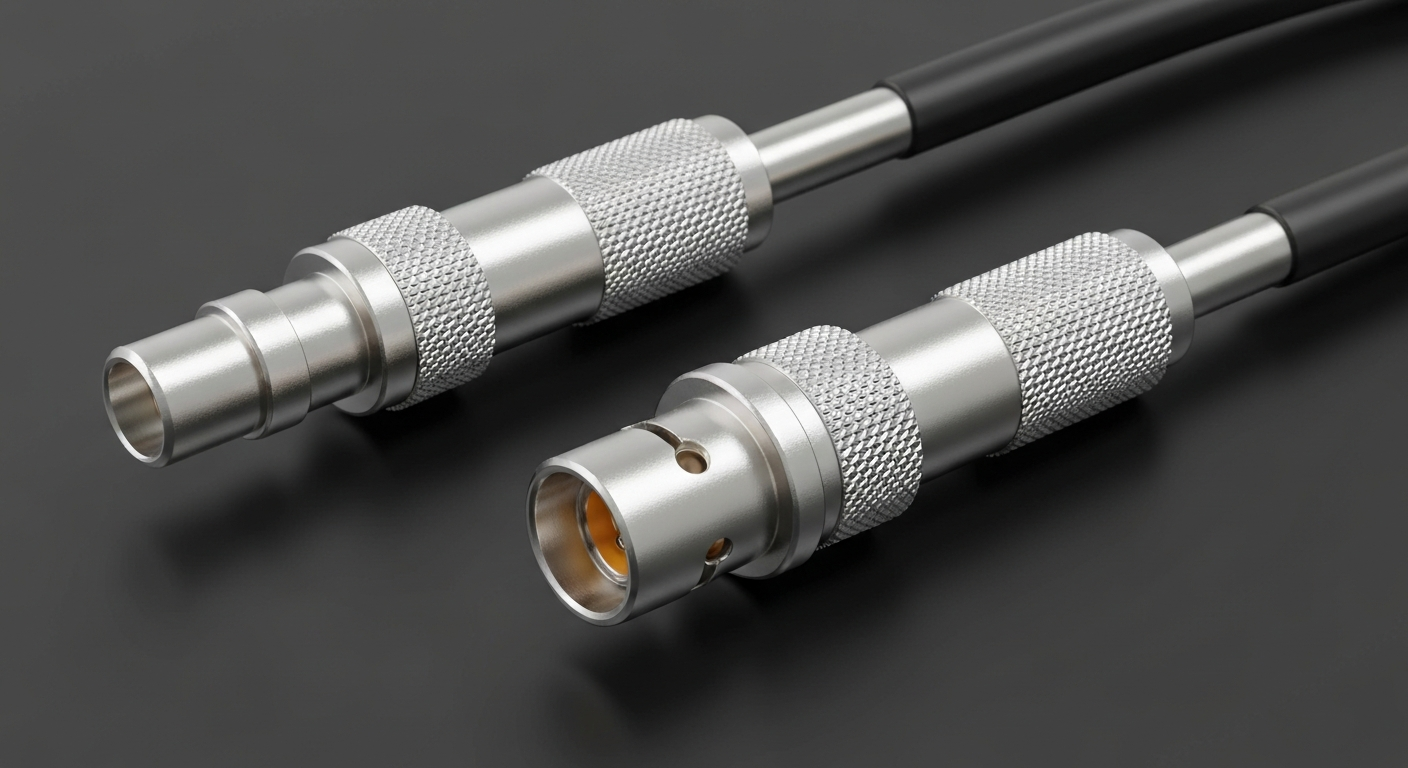
SMA is compact and high-frequency, while BNC is larger, quicker to connect, and suited for mid-frequency testing.
Deeper Insight
Key differences impact real-world usage:
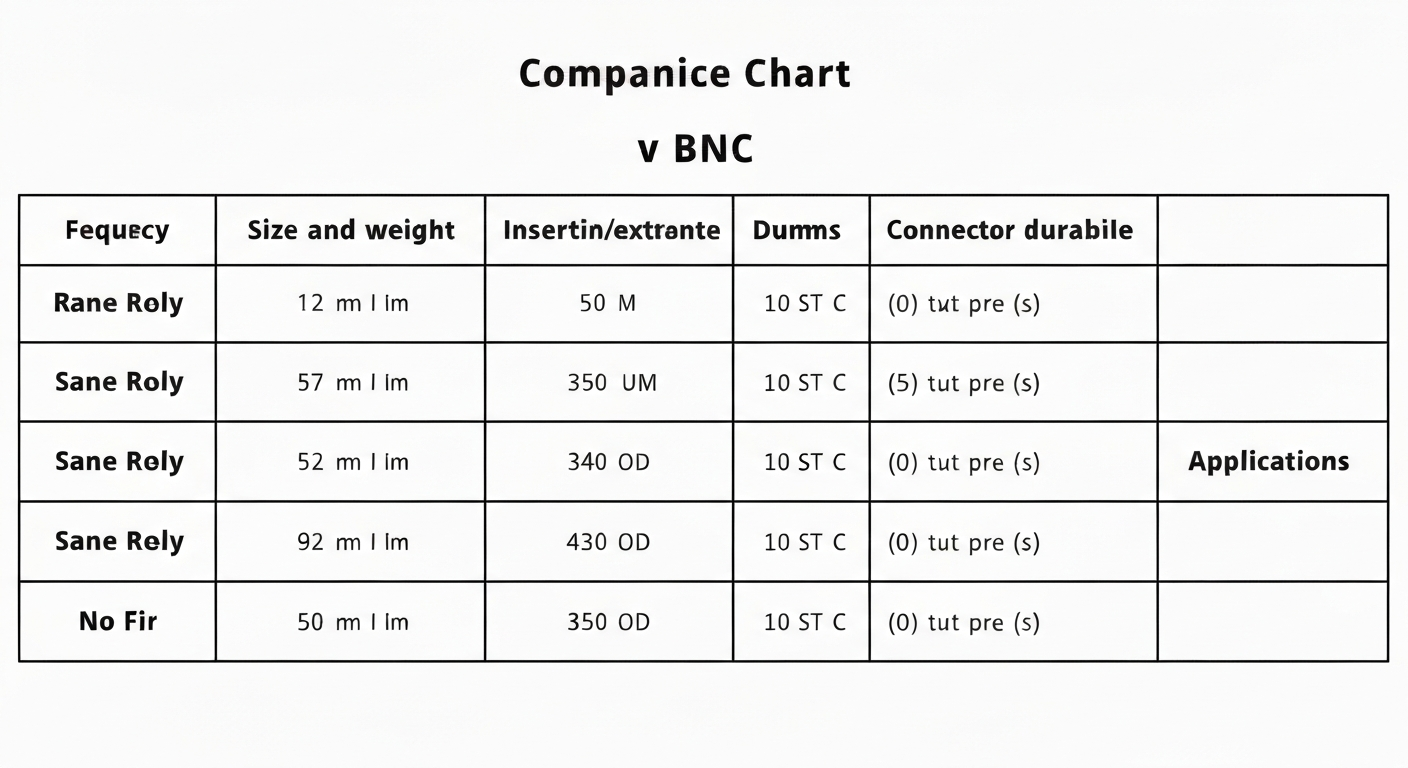
| Feature | SMA | BNC |
|---|---|---|
| Connection | Threaded | Bayonet twist-lock |
| Frequency | Up to 18–26 GHz | Up to 4 GHz |
| Impedance | 50 Ω | 50 Ω or 75 Ω |
| Size | Smaller | Larger |
| Strength | High mechanical stability | Moderate, easy to connect |
| Best Use | Wireless modules, antennas | Test equipment, lab setups |
SMA provides excellent RF performance for compact devices such as Wi-Fi boards, cellular modules, or high-frequency circuits. Its threaded coupling prevents accidental disconnection.
BNC, meanwhile, excels where users frequently change cables—ideal for testing, calibrating, and debugging. Because BNC is larger, it is less suitable for compact PCB placements.
Manufacturing teams consider connector torque, footprint strength, and grounding layout during PCBA assembly. Good RF design practices—controlled impedance, dedicated keep-outs, and stable soldering—ensure connectors maintain performance over temperature and vibration cycles.
Which connector is better for RF modules and IoT devices?
RF modules need stable, compact, and high-frequency connections. SMA typically meets these demands better than BNC.
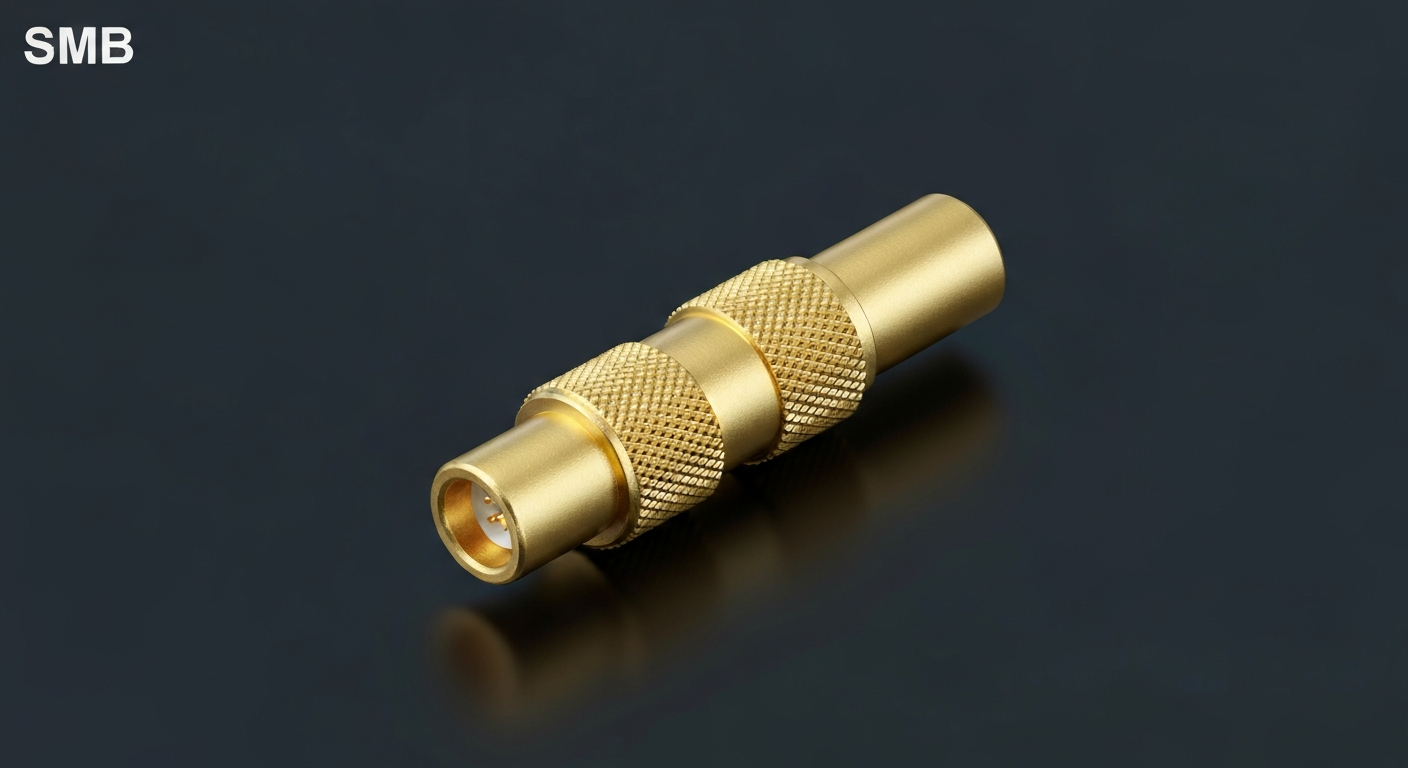
For IoT, wireless, and antenna-integrated designs, SMA is preferred because of its size, frequency range, and strong mechanical locking.
Deeper Insight
IoT devices use Wi-Fi, Bluetooth, LoRa, NB-IoT, cellular, and GPS technologies. These operate from sub-GHz to several gigahertz. SMA connectors provide:
- Low return loss
- Secure mechanical fastening
- Compact size ideal for small PCBs
- Strong performance for antennas and RF paths
Factories building wireless control boards or embedded communication modules rely on SMA because it supports predictable antenna tuning. Engineering teams evaluate grounding, trace impedance, and connector torque to maintain calibration across units. This consistency is critical for B2B customers that depend on stable wireless performance.
BNC is seldom used inside compact embedded products due to size and limited bandwidth but remains useful for external test interfaces.
Which connector is better for test and measurement setups?
Test environments require rapid connecting and disconnecting. BNC is typically the better choice.
BNC connectors excel in laboratories and production lines because of their quick-lock mechanism and universal compatibility with test instruments.
Deeper Insight
Oscilloscopes, signal analyzers, RF testing benches, and inspection stations use BNC extensively. The connector supports repetitive cycling without wearing threads or stressing panel mounts.
Its advantages include:
- Fast cable exchange
- Clear tactile lock
- Good stability for mid-frequency signals
- Compatibility with standard test equipment worldwide
Manufacturers use BNC for functional testers, production feedback systems, and RF-related quality checks. For B2B customers, this ensures repeatable measurements across prototypes and production batches.
SMA may still appear in test systems requiring high-frequency accuracy, but for most daily testing, BNC remains the industry norm.
How should designers choose between SMA and BNC?
The choice depends on frequency, size constraints, test requirements, and mechanical expectations.
Designers choose SMA for compact, high-frequency electronics and BNC for flexible, mid-frequency testing and lab systems.
Deeper Insight
Connector selection influences RF performance, manufacturability, and long-term reliability. Key decision points include:
- Frequency range: High-frequency circuits require SMA
- Mechanical strength: SMA threading beats BNC for vibration resistance
- Testing workflows: BNC wins for convenience
- PCB size: SMA is far smaller
- Impedance stability: Both offer 50-ohm versions, but SMA usually performs better at higher GHz
Manufacturers evaluate connector mounting strength, solder joints, grounding vias, and stress relief to prevent failures. For small-batch OEM clients, these details help avoid RF mismatch, connector lift-off, or calibration drift during use.
Engineering review ensures proper footprint design, controlled impedance routing, and robust mechanical support—key to reliable SMA or BNC integration from prototype to mass production.
Conclusion
SMA and BNC each play an important role in RF engineering. SMA offers compact size, high-frequency stability, and strong mechanical locking for wireless and embedded modules. BNC delivers fast, convenient connections ideal for testing and measurement. Understanding these differences helps engineers choose the right connector for performance, reliability, and manufacturing needs. Using the correct RF interface strengthens overall system stability, improves signal integrity, and supports consistent results across both development and production.
