
When I first stepped into electronics manufacturing, I was surprised by how far PCB technology had evolved. From simple etched copper plates to today’s multilayer high-density designs, the history of PCBs shows how innovation drives every generation of electronic products.
Printed circuit boards began in the early 1900s as simple wiring alternatives and evolved into today’s multilayer, high-speed, miniaturized platforms used in all modern electronics.
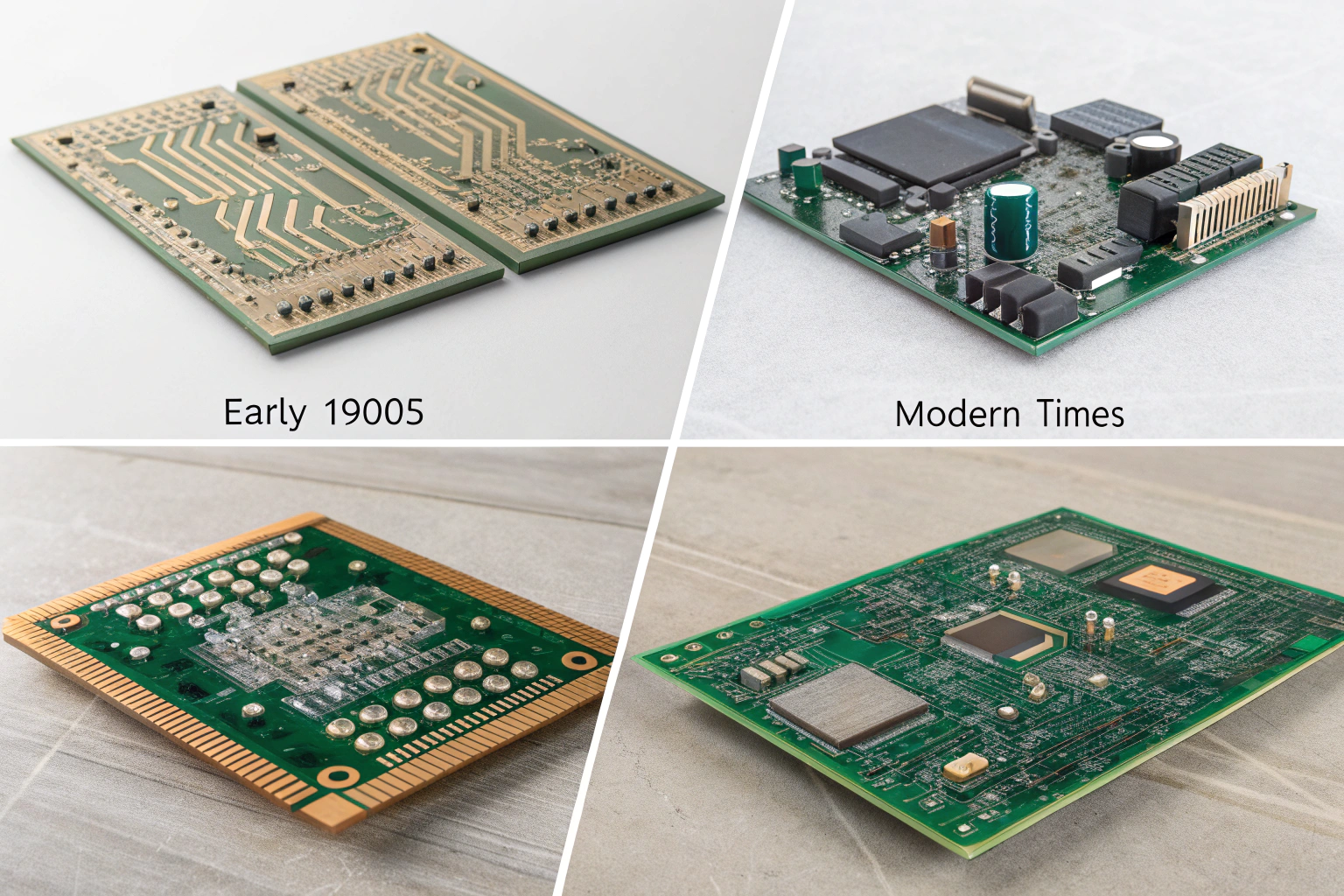
Understanding this journey helps us appreciate why modern PCB design rules, materials, and fabrication methods exist today—and how they continue to shape the future of electronics.
When and how were PCBs first invented?
The origins of PCBs date back much farther than most people expect. When I learned the full timeline, it completely changed how I viewed modern electronics.
PCBs were first conceptualized in the early 1900s, patented in 1904, and refined through World War II before becoming widely used in consumer electronics in the 1950s.
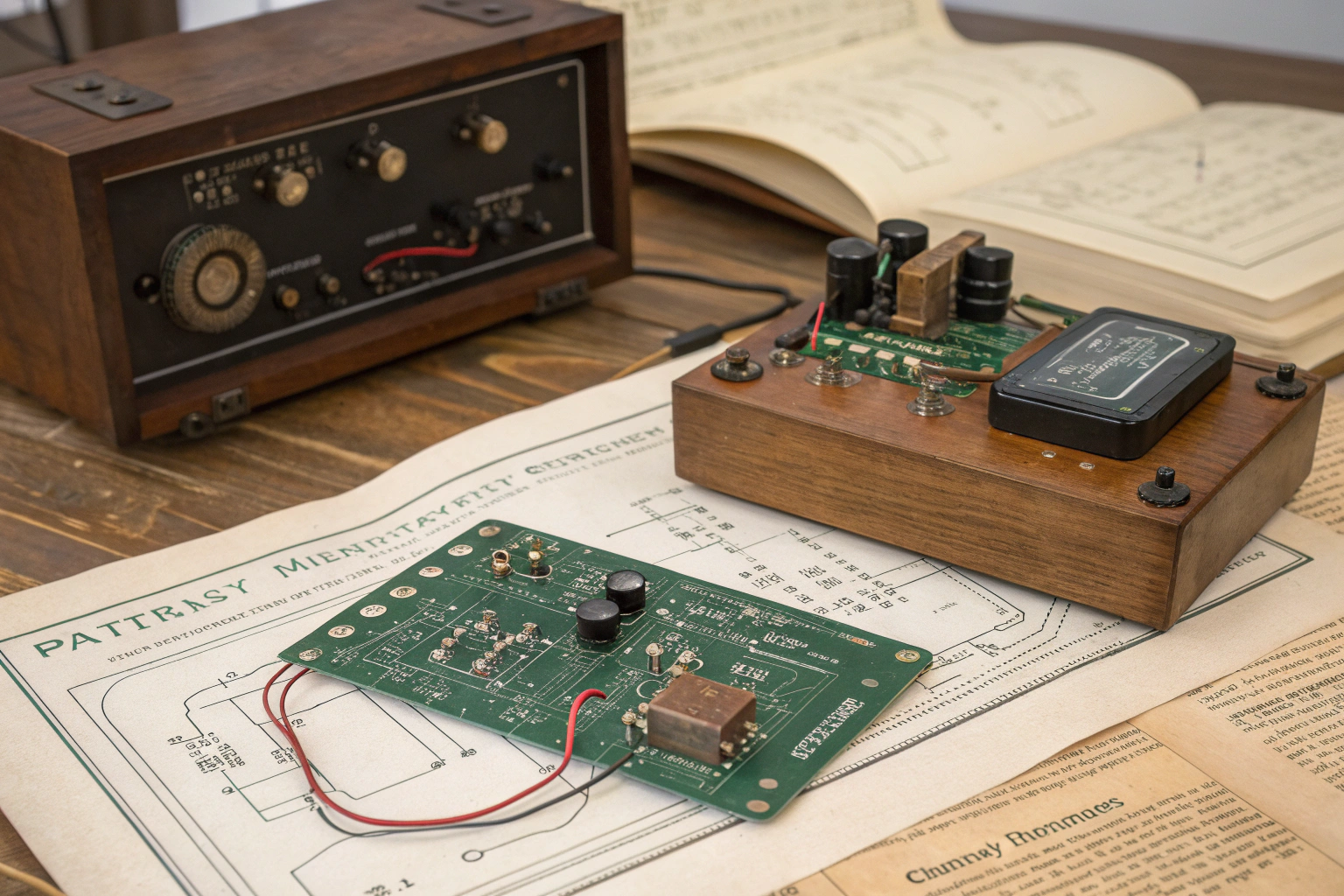
How early innovations created the foundation of modern PCB technology
The earliest PCBs used simple etched metal patterns on insulating boards. These primitive versions replaced bulky point-to-point wiring, which was slow to build and prone to failure.
Key milestones include:
1904 – The first PCB concept
Albert Hanson patented a method of creating conductive tracks on an insulating sheet, forming the earliest version of a printed circuit.
1920s–1930s – Radio industry adoption
As radios grew in popularity, early “printed wiring boards” helped reduce assembly time.
1943 – WWII mass production
Paul Eisler’s copper-foil method allowed reliable mass manufacturing for military radios.
This wartime innovation pushed PCB quality and consistency to new levels.
1950s – Consumer electronics boom
Televisions, calculators, and early computers adopted PCBs, making them a global standard.
At my factory, we still see echoes of these early principles: consistent copper patterns, controlled insulation, and reliability-focused assembly. Even the most advanced multilayer PCB follows the same core idea invented more than a century ago.
How did PCB technology evolve into the modern multilayer boards we use today?
As electronics became faster, smaller, and more complex, PCBs needed to evolve. I often explain this progression to customers when they move from simple prototypes to high-speed multilayer designs.
Modern PCB evolution introduced multi-layer stacking, plated through-holes, surface-mount technology (SMT), and advanced materials for high-speed and high-density circuits.
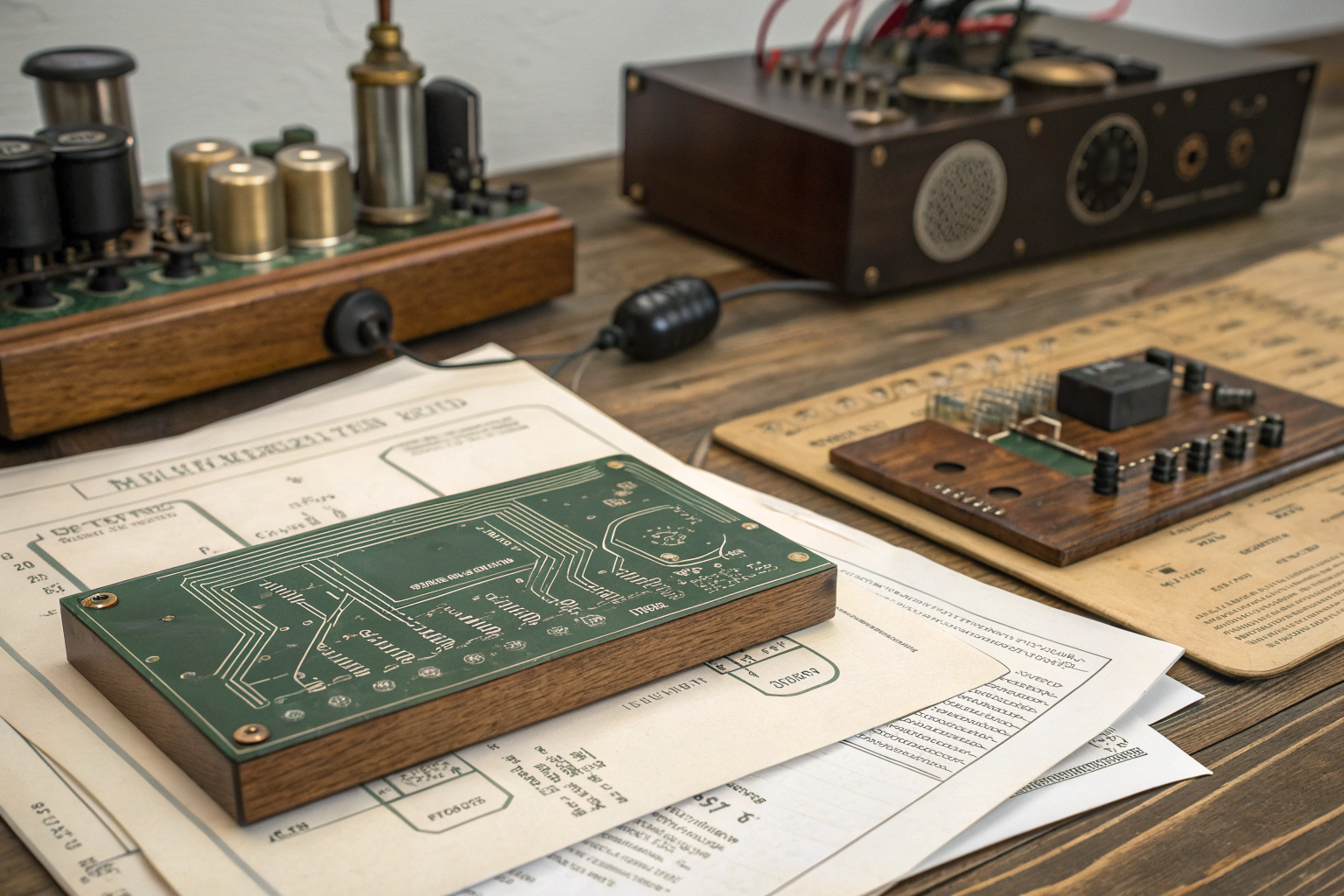
The major breakthroughs that shaped today’s PCB industry
1. Plated Through-Holes (PTH) – 1960s
Allowed signals to travel between layers.
This transformed PCBs from simple single-layer boards into functional multilayer structures.
2. Multilayer PCBs – 1970s
Enabled 4-layer, 6-layer, and even 8-layer boards for early computers and telecom systems.
Power planes and ground planes improved noise performance.
3. Surface-Mount Technology – 1980s–1990s
SMT replaced bulky through-hole components.
This allowed:
- smaller components
- automated assembly
- much higher density
- lower manufacturing cost
When I walk through our SMT line today, I still think about how much SMT transformed the industry. Tiny 0402 and 0201 passives would have been unimaginable decades earlier.
4. High-Speed and HDI PCBs – 2000s–present
The rise of smartphones, 5G devices, and compact wearables led to:
- microvias
- buried/blind vias
- high-TG laminates
- controlled impedance
- high-density interconnect (HDI) stackups
These technologies let designers place more performance in smaller shapes without sacrificing reliability.
5. Reliability and testing advancements
AOI, ICT, X-ray, and flying-probe testing pushed quality to new levels.
I see this daily: advanced testing catches issues that older factories would never detect.
| Era | Innovation | Impact |
|---|---|---|
| 1900–1950 | Early printed wiring | Replaced point-to-point wiring |
| 1960s | Plated through-holes | True multilayer PCBs |
| 1970s–1980s | Multilayer adoption | Computers and telecom growth |
| 1990s | SMT | Miniaturization + automation |
| 2000s–present | HDI, microvias | High-speed, small form factor devices |
Each of these steps shaped the modern electronics we design today.
How have modern industries transformed PCBs into today’s advanced technology?
Over the years, I’ve watched industries demand faster, smaller, and more reliable boards. This pressure pushes PCB technology forward at a rapid pace.
Modern industries drove PCBs toward HDI layouts, high-frequency materials, flexible circuits, and advanced fabrication techniques used in smartphones, IoT devices, automotive electronics, and medical systems.
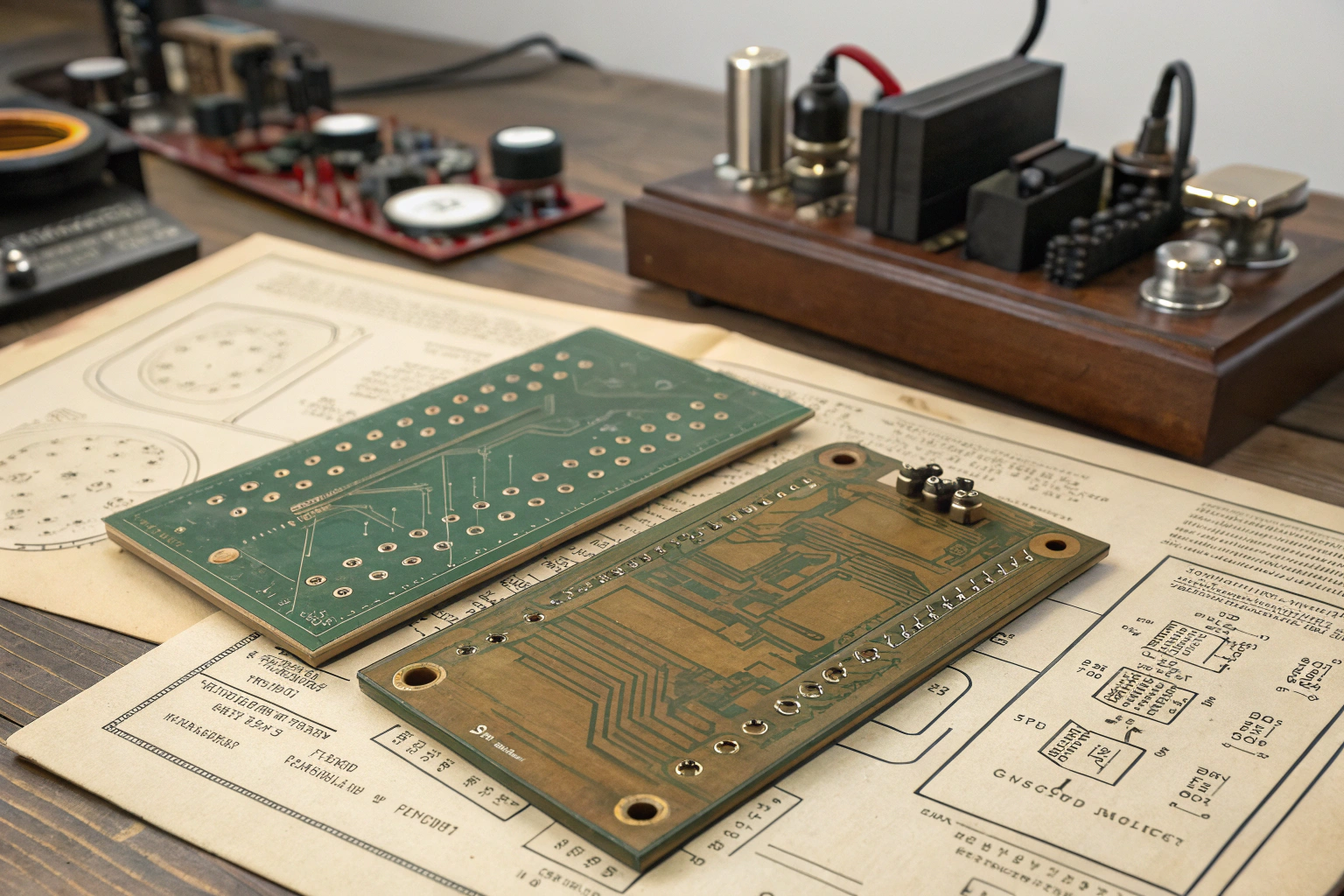
Why today’s PCBs look nothing like those from 20 years ago
1. Smartphones and Tablets
Ultra-thin multilayer HDI boards with:
- microvias
- stacked vias
- controlled impedance
- integrated antennas
These designs push fabrication limits, requiring high accuracy and cleanroom-level processing.
2. IoT and Wearables
Demand flexible PCBs, rigid-flex hybrids, and tiny SMT components.
I frequently help customers optimize these boards for durability and mass production.
3. Automotive Electronics
Require:
- high-temperature laminates
- long-term vibration resistance
- stable power distribution
PCBs in this field must last over a decade in harsh environments.
4. High-Speed Networking & Servers
Use materials like FR-4 high-TG, Rogers, or polyimide to handle:
- 10–100+ GHz signals
- ultra-low loss requirements
- stable impedance across layers
We regularly manufacture boards using hybrid laminates to meet these signal-integrity demands.
5. Medical Devices
Need precision, low noise, and reliability, including FPCs for sensors and rigid-flex boards for compact modules.
As industries evolve, PCB technology must adapt. This continuous cycle is what keeps the field exciting.
Conclusion
The history of PCBs spans more than a century—from early etched wiring sheets to modern HDI, flexible, and high-speed multilayer boards. Each generation of innovation shaped how we build electronics today. By understanding this evolution, designers can make smarter choices about materials, stackups, and assembly methods. With the right knowledge and engineering support, any new product can build on this long legacy of PCB innovation and move confidently toward the future.
