
A PCBA (Printed Circuit Board Assembly) is used to make electronic products function. It is the stage where electronic components are mounted and soldered onto a PCB, transforming a bare board into a working electronic control unit capable of processing power, signals, and data.
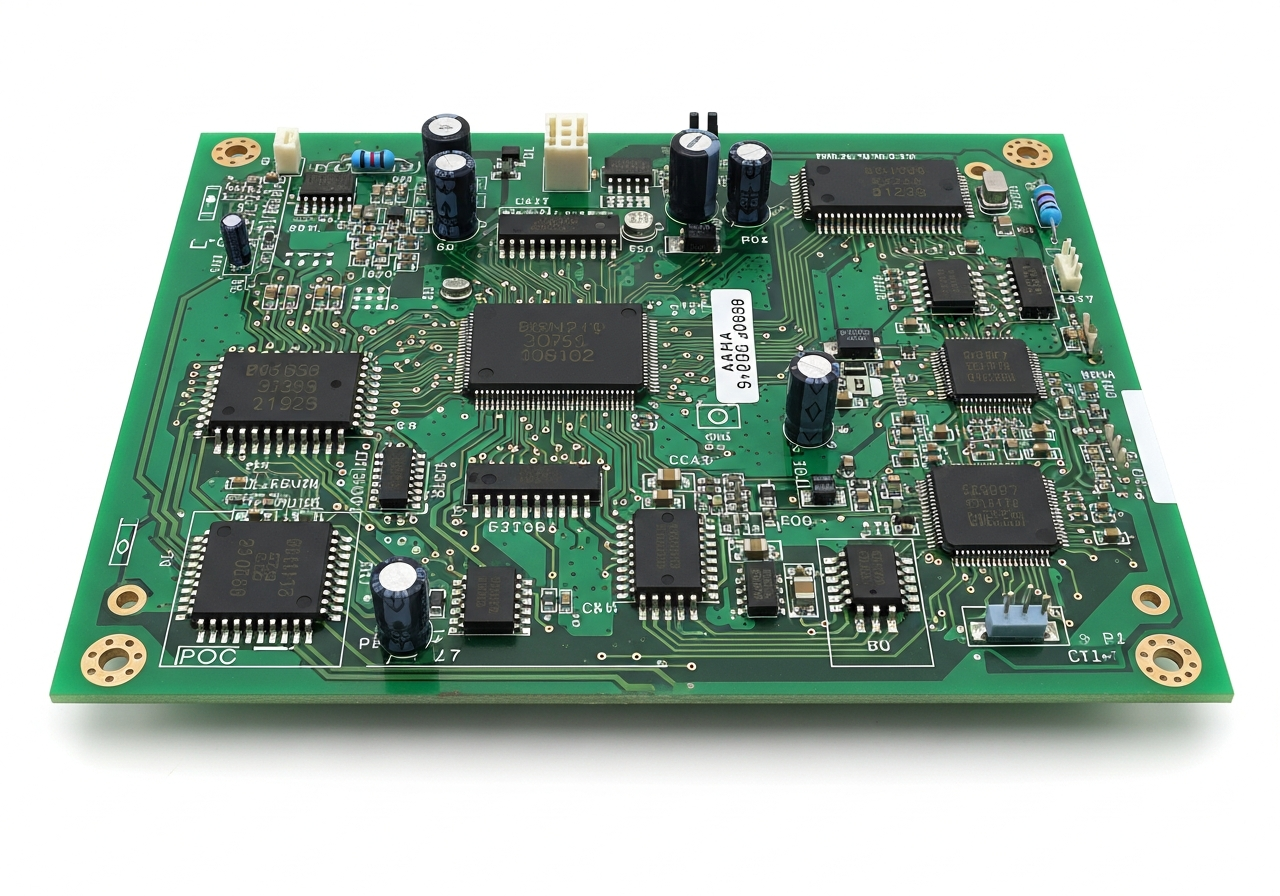
Without PCBA, electronic products cannot operate. The PCBA is the functional core that connects design intent with real-world application.
In electronics manufacturing, PCBA determines not only whether a product works, but how reliably, how long, and under what environmental conditions it can operate.
PCBA as the Functional Core of Electronic Products
Every electronic product relies on a PCBA.
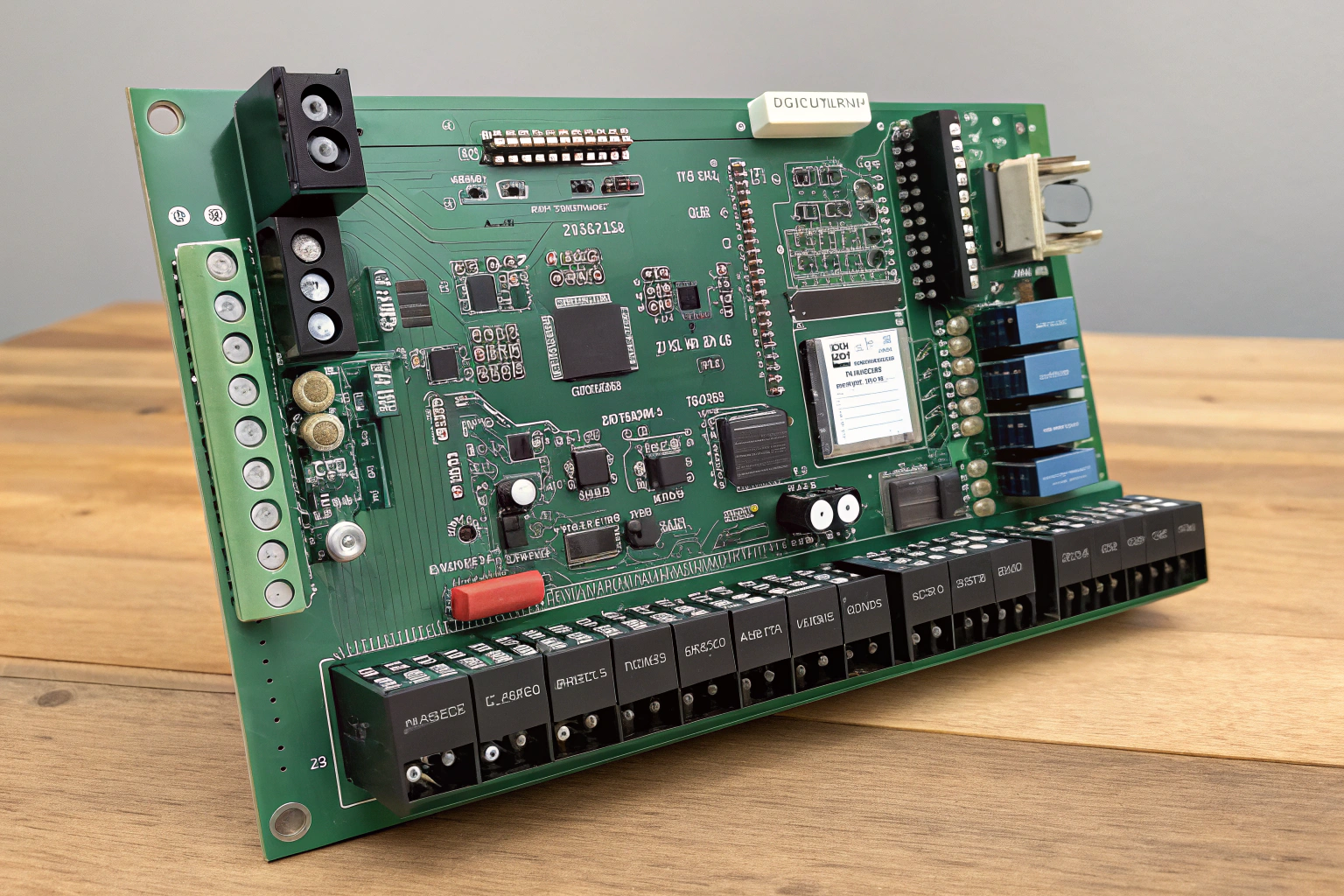
It is where logic, power, and control meet.
A PCBA integrates components such as ICs, resistors, capacitors, connectors, and modules into a unified system. Once assembled, the board can execute programmed functions, regulate power, and communicate with other systems.
Typical functions provided by a PCBA include:
- Power conversion and regulation
- Signal processing and amplification
- Data communication and control
- Sensor data acquisition
- Logic execution through microcontrollers or processors
From simple switch control to complex data processing, the PCBA defines the functional capability of the final product.
PCBA in Consumer and Smart Devices
Most everyday electronics depend on PCBA.

Compact design and stability are critical.
In consumer products, PCBA enables:
- Smart home controllers
- Wearable electronics
- Audio and video devices
- Home appliances
These boards are designed for compact size, low power consumption, and mass production consistency. High-density SMT assembly allows more functions to be packed into smaller spaces.
Manufacturing focus in this area includes:
- Fine-pitch component placement
- High-speed SMT lines
- Stable reflow soldering
- Automated inspection for consistency
A well-made PCBA ensures smooth operation, fast response, and long service life despite frequent daily use.
PCBA in Industrial and Control Systems
Industrial equipment depends on stable PCBA performance.
Reliability matters more than appearance.
In industrial environments, PCBA is used for:
- Industrial controllers
- Automation systems
- Motor drives
- Power management units
These boards operate under higher voltage, higher current, and harsher conditions such as heat, vibration, and electrical noise.
Manufacturing requirements for industrial PCBA include:
- Strong solder joint reliability
- Thicker copper and controlled impedance
- Enhanced testing such as ICT and functional tests
- Long-term component stability
PCBA quality directly affects equipment uptime, maintenance cost, and operational safety.
PCBA in IoT, Communication, and Smart Systems
Connectivity starts at the PCBA level.

Communication reliability is built during assembly.
For IoT and communication products, PCBA supports:
- Wireless modules (Wi-Fi, Bluetooth, cellular)
- Sensor integration
- Data transmission and processing
- Edge computing functions
These boards often combine RF design, digital processing, and power management in one assembly. Layout accuracy and soldering quality directly affect signal integrity and communication stability.
In factory workshops, special attention is given to:
- RF component placement accuracy
- Controlled solder paste volume
- Clean assembly to reduce signal noise
- Consistent grounding and shielding
A reliable PCBA ensures stable connectivity and predictable performance in connected systems.
PCBA in Medical and Energy-Related Equipment
High-reliability applications rely heavily on PCBA.
Failure tolerance is extremely low.
In medical devices and energy systems, PCBA is used for:
- Monitoring and control units
- Power management and conversion
- Data acquisition and safety logic
These boards must meet strict quality and consistency requirements. Any instability can lead to system malfunction or safety risk.
Manufacturing emphasis includes:
- Traceable materials and processes
- Strict process documentation
- Multiple inspection and testing stages
- Stable assembly parameters
PCBA quality here is not only a technical requirement, but a trust and safety foundation.
How Factory Manufacturing Defines PCBA Performance
PCBA use is shaped by how it is made.
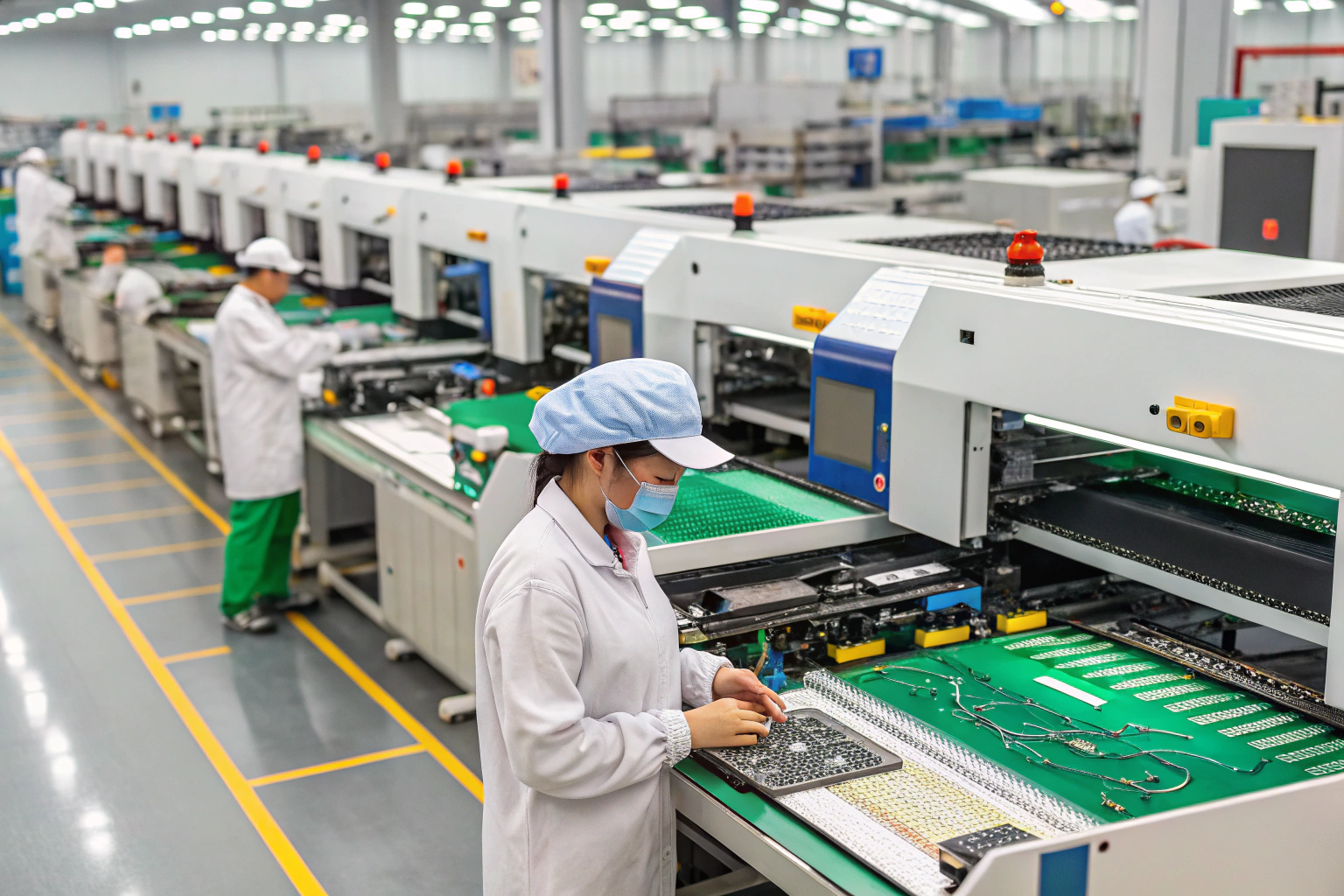
Process control defines final value.
In a professional manufacturing environment, PCBA production includes:
- PCB fabrication verification
- SMT placement and reflow soldering
- DIP and selective soldering when needed
- AOI, X-ray, and functional testing
- Final inspection and packaging
Each step affects how the PCBA performs in real use. Poor soldering, contamination, or uncontrolled variation may not cause immediate failure, but will reduce lifespan and stability.
Factories with controlled workshops, trained operators, and defined processes produce PCBAs that perform consistently across batches and applications.
Conclusion
A PCBA is used to bring electronic products to life. It serves as the functional core that enables power control, signal processing, communication, and logic execution across consumer, industrial, IoT, medical, and energy-related applications. The true value of a PCBA lies not only in its design, but in how it is manufactured. Controlled assembly processes, stable soldering, thorough testing, and disciplined factory operations ensure that the PCBA performs reliably throughout its service life. Whether supporting a simple control function or a complex intelligent system, PCBA is the foundation that transforms electronic concepts into dependable, working products used in the real world every day.
