
Electronic devices are everywhere today—from smart sensors to industrial control systems. When I first stepped into hardware manufacturing, I realized that every product, no matter how simple, is built from the same basic idea: controlling the flow of electricity to perform useful actions.
An electronic device is a product that uses electrical signals and electronic components—such as chips, sensors, and circuits—to perform functions like computing, sensing, communication, or control.
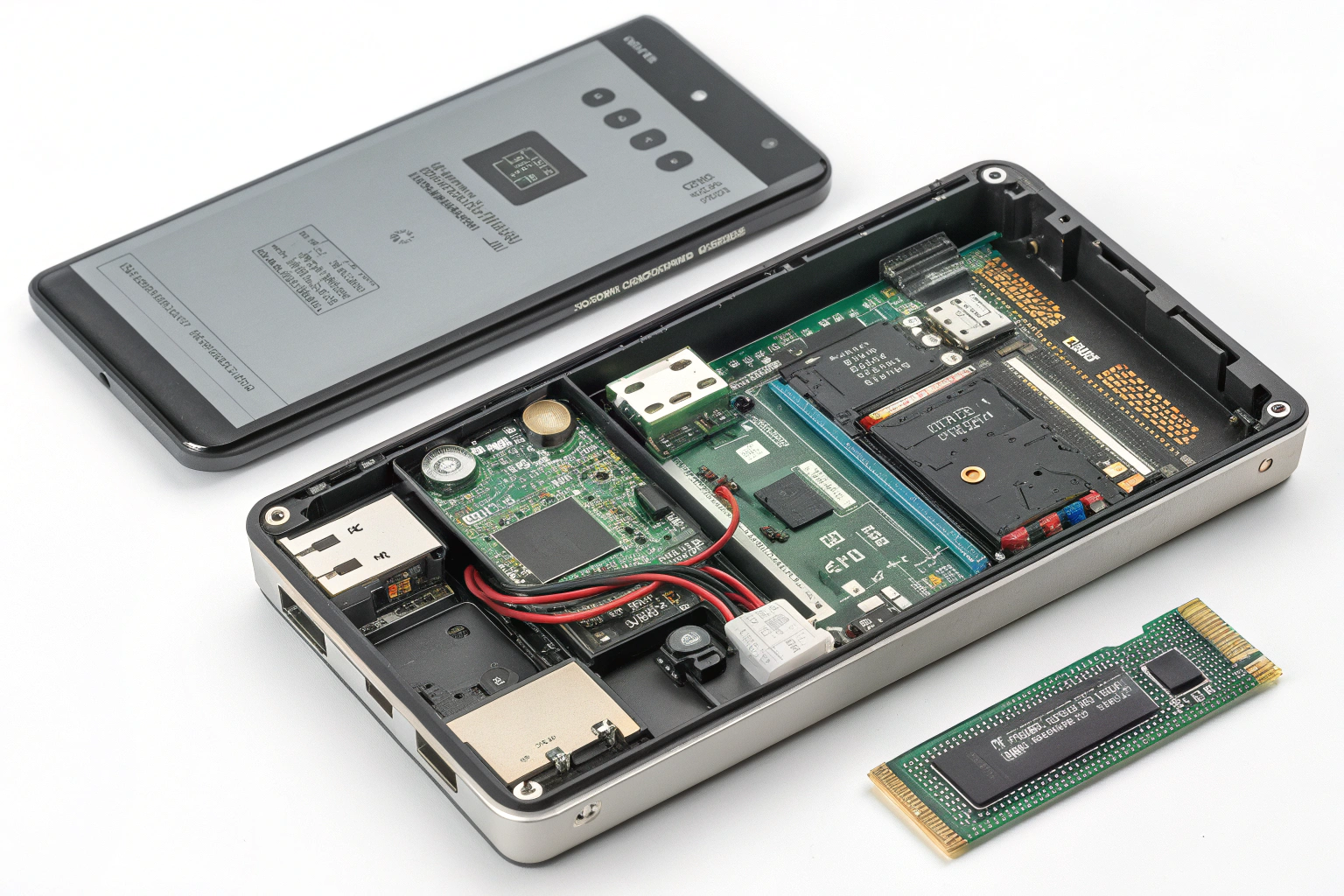
Understanding what electronic devices are helps you design better products, choose the right PCB structure, and communicate clearly with engineering teams during development.
Before diving into deeper topics, let’s build a smooth foundation.
What defines an electronic device?
When I work with customers developing new hardware, this question often appears in early meetings. Devices look different, but the principle behind them is the same.
An electronic device processes electrical signals through circuits and components to create output, such as light, motion, data, or communication.
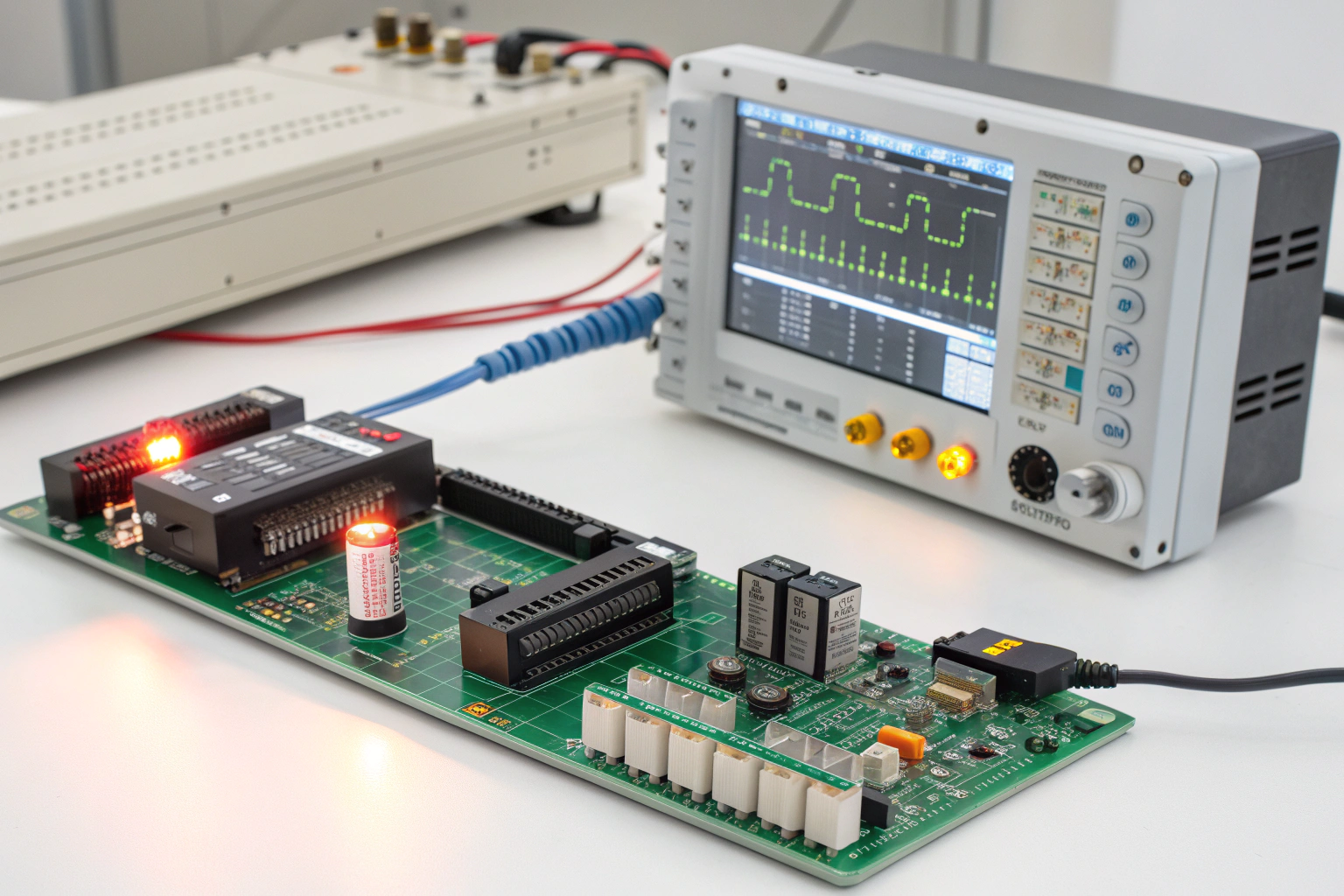
How electronic devices work and why they matter in design
Every device—simple or complex—follows a core structure. Once I understood this, debugging and developing new products became much clearer.
A typical electronic device includes:
| Part | Function | Examples |
|---|---|---|
| Power system | Supplies regulated voltage | Batteries, power adapters |
| Input section | Receives signals or data | Buttons, sensors, communication ports |
| Processing unit | Computes, controls, or manages logic | Microcontrollers, CPUs |
| Output section | Executes visible actions | LEDs, motors, screens |
| PCB | Connects everything through copper traces | FR4 or flexible boards |
| Housing | Protects the internal system | Plastic or metal enclosure |
These blocks work together to:
- sense data
- process information
- communicate with other devices
- perform actions
I often explain this to new designers: once you understand these building blocks, you can design almost any device—from IoT modules to industrial controllers.
At my factory, we review power stability, component selection, and PCB structure early to ensure the device remains reliable during real-world operation.
What are the main types of electronic devices?
This question often comes from customers working on new product concepts. They want to know where their idea fits and what technology it needs.
Electronic devices include consumer electronics, industrial equipment, communication devices, medical electronics, and embedded systems, each serving different functions and environments.

A deeper look at popular device categories and their characteristics
1. Consumer Electronics
Devices designed for everyday use.
Examples: smart home controllers, wearables, audio products.
They require compact PCBs, stable wireless modules, and cost-effective components.
2. Industrial Electronics
Used in factories or automation systems.
Examples: PLC boards, sensor modules, motor drivers.
These need durability, heat resistance, and stable signals.
3. Communication Devices
Focused on data transfer.
Examples: Wi-Fi modules, IoT gateways, RF transmitters.
Often require multi-layer PCBs, controlled impedance, and strict EMC performance.
4. Medical Electronics
Used in monitoring or diagnostic systems.
Examples: portable analyzers, wearable health trackers.
Require accuracy, reliability, and high-quality PCBA standards.
5. Embedded Systems
Electronics designed for dedicated functions.
Examples: smart meters, access control boards.
Use microcontrollers, sensors, and compact layouts.
Comparison table:
| Device Type | Environment | PCB Complexity | Typical Priority |
|---|---|---|---|
| Consumer | Indoor | Medium | Cost + compact size |
| Industrial | Harsh | Medium–High | Reliability |
| Communication | Varied | High | EMI + stability |
| Medical | Clean | High | Accuracy |
| Embedded | Flexible | Medium | Function + uptime |
Customers often come to me with an idea but no final device category. Once we identify the category, choosing PCB material, layout style, and testing method becomes muc
How do electronic devices interact with PCBs and components?
This question is extremely common because every electronic device is built on circuits. During development, the wrong component choice or PCB structure can cause instability, overheating, or short lifetime.
Electronic devices rely on PCBs and components—such as resistors, microcontrollers, and sensors—to convert electrical energy into meaningful functions and actions.
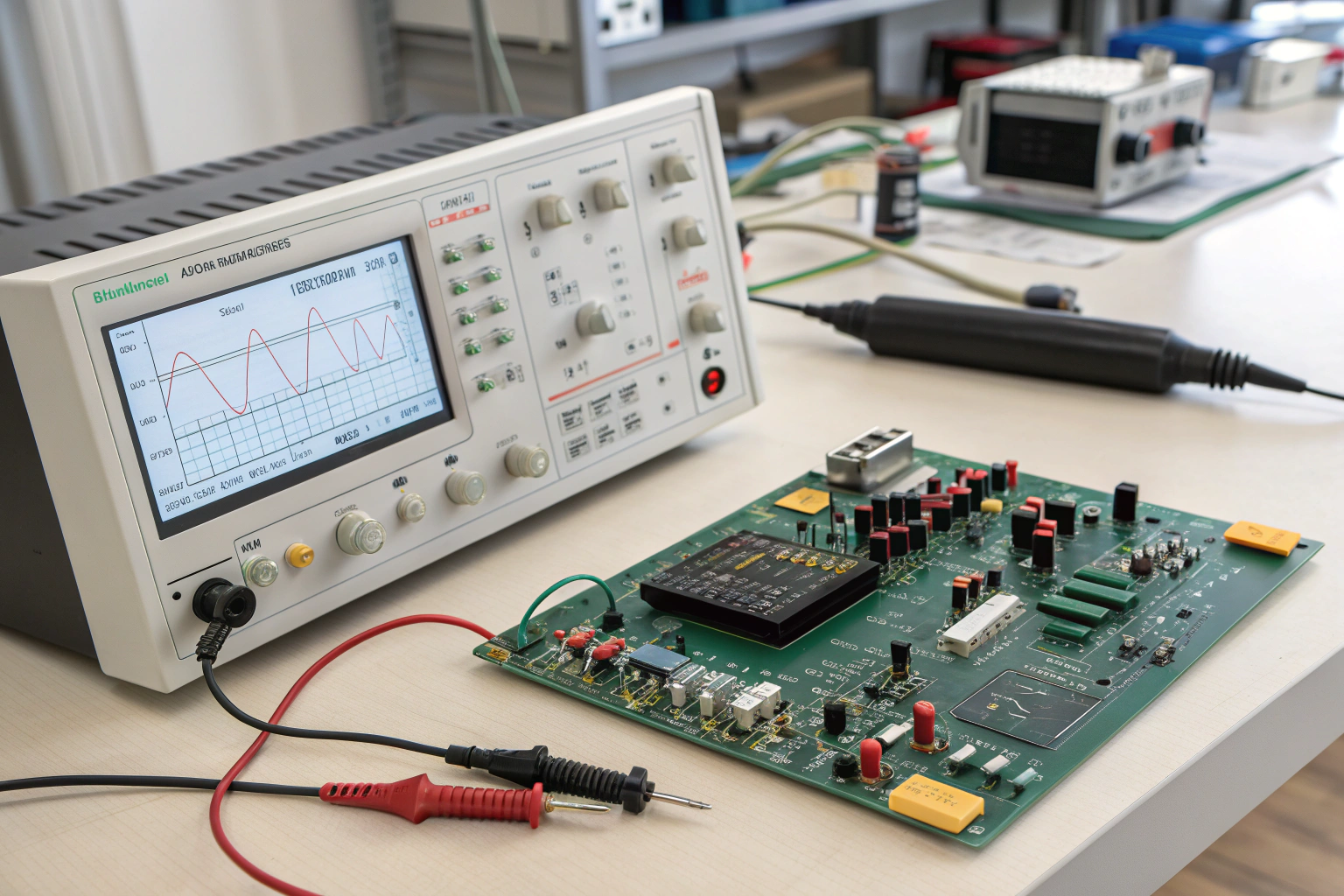
How devices, components, and circuits work together in real products
Electronic devices work because circuits guide the flow of electricity. Here’s how the system comes together:
1. The PCB acts as the skeleton
Copper traces replace wires. Layers separate signals, reduce noise, and carry power safely.
2. Components act as organs
Each part has a job:
- resistors control current
- capacitors filter noise
- chips compute logic
- sensors detect movement, light, or temperature
- modules handle Wi-Fi, Bluetooth, or cellular networks
3. Firmware is the device’s brain
Even the best circuit needs software to run logic, manage timing, and handle data.
4. Power and heat must be managed
Devices fail early when power circuits are incorrect or heat cannot escape.
My team reviews these issues before production, especially for power modules and high-current designs.
5. Assembly and testing determine real-world reliability
A good design still needs proper soldering, AOI inspection, functional testing, and burn-in tests.
We perform these steps for every project to ensure consistent quality.
Once these elements work together, the device can perform stable functions for months or years. Clients often tell me that understanding this structure helps them design more predictable and reliable ele
Conclusion
Electronic devices use circuits, components, and controlled electrical signals to perform meaningful functions. When you understand how devices are structured—from power to processing to PCB layout—you can design stronger, smaller, and more reliable products. With clear planning and proper engineering support, your idea can move smoothly from a simple concept to a working, long-lasting device.
