
FR4 is the most widely used base material in PCB manufacturing. It is a glass-fiber–reinforced epoxy laminate known for its balanced electrical insulation, mechanical strength, thermal stability, and cost efficiency. In industrial PCB production, FR4 serves as the standard substrate for most rigid circuit boards.
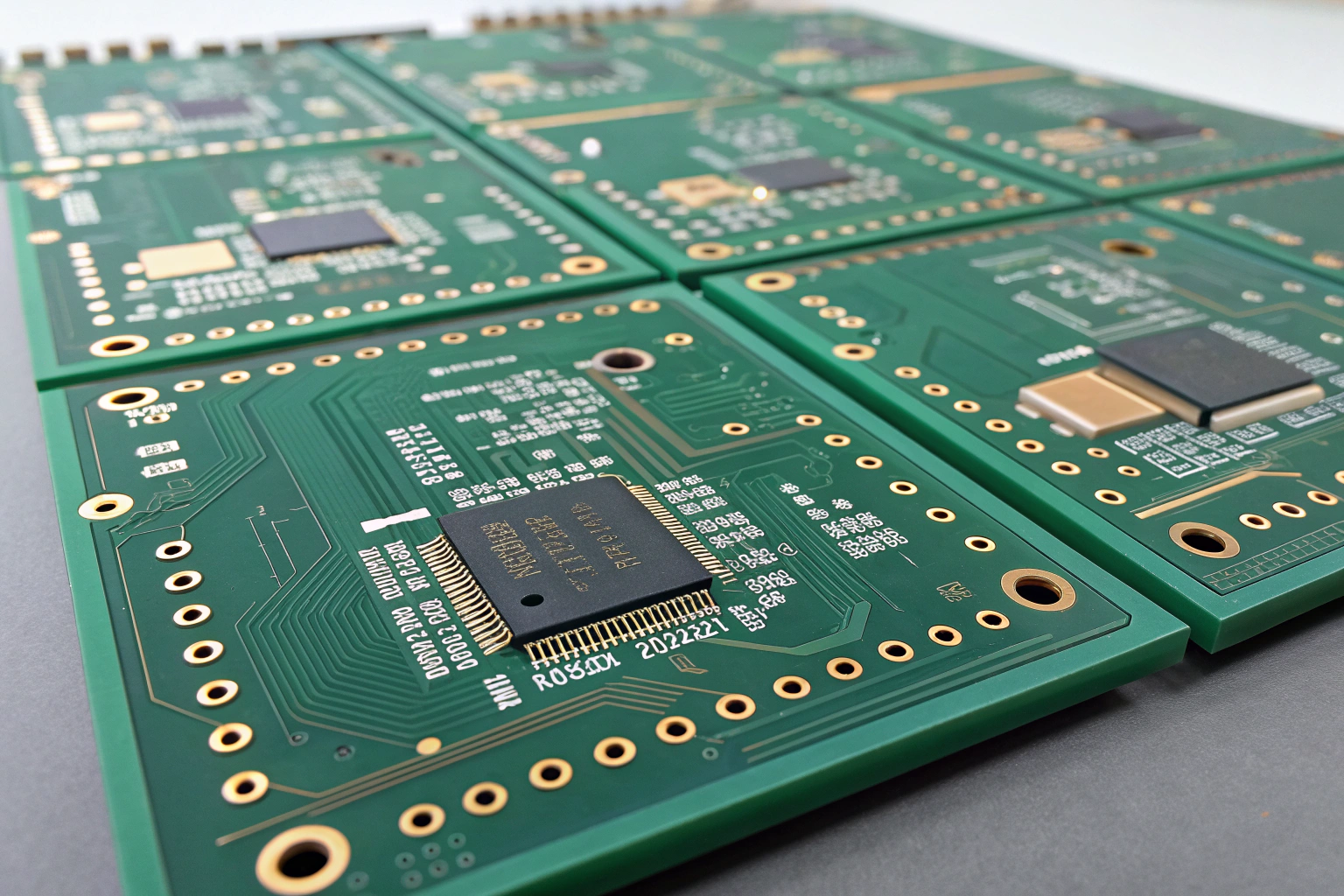
In manufacturing environments, FR4 is not just a material name but a complete system standard. Its properties directly influence lamination quality, drilling accuracy, plating reliability, and long-term product stability.
What does FR4 mean in PCB materials?
FR4 is a grade defined by flame-retardant performance.
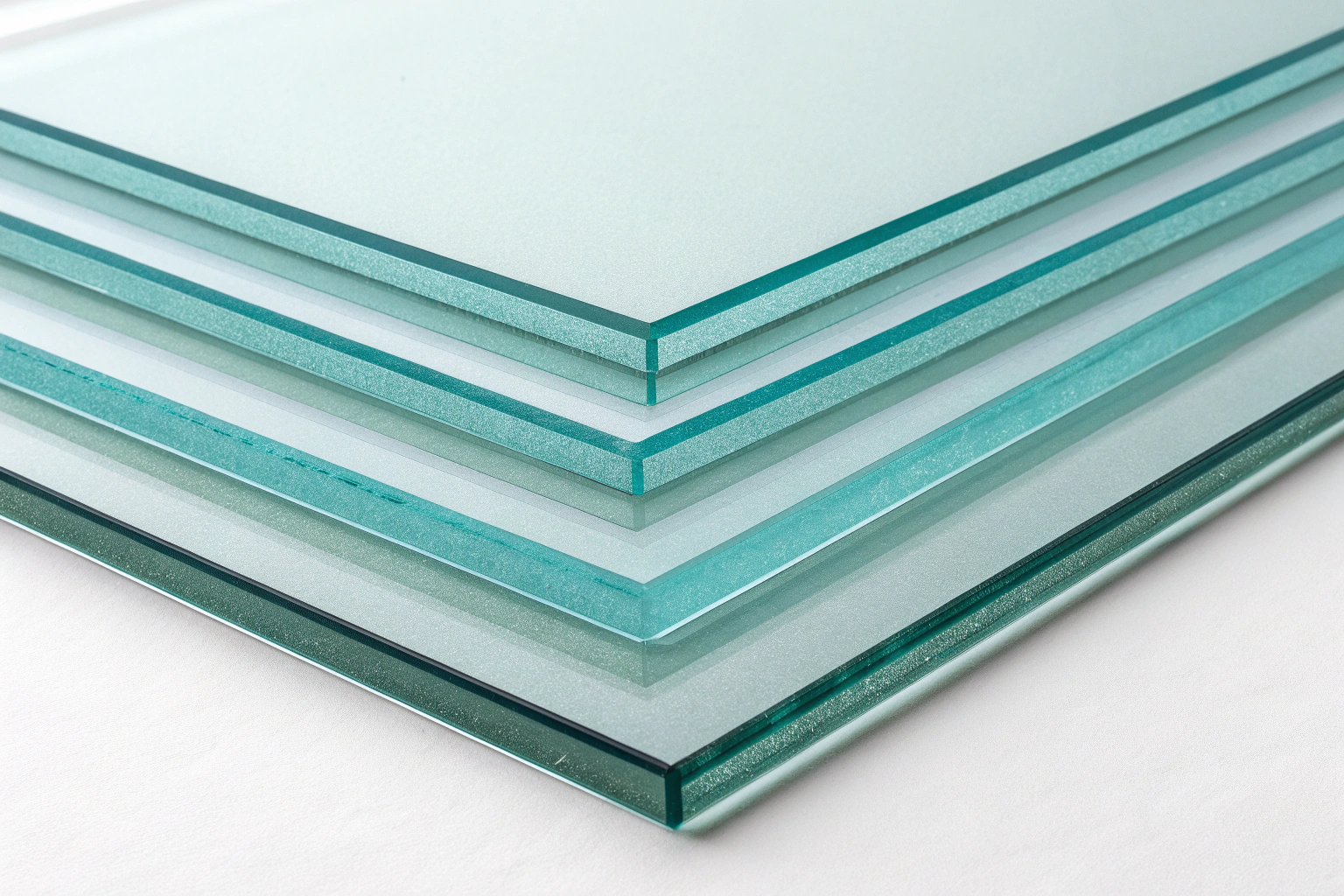
“FR” stands for flame retardant, while “4” refers to a specific performance class of woven glass fabric reinforced epoxy resin. This material meets UL94 V-0 flammability requirements, meaning it can self-extinguish after ignition.
In PCB manufacturing, this flame resistance is critical for electrical safety and compliance. Combined with strong dielectric insulation, FR4 provides a reliable foundation for electronic circuits across many industries.
What are the key properties of FR4 material?
FR4 is selected because it offers a well-balanced set of properties rather than extreme performance in one area.
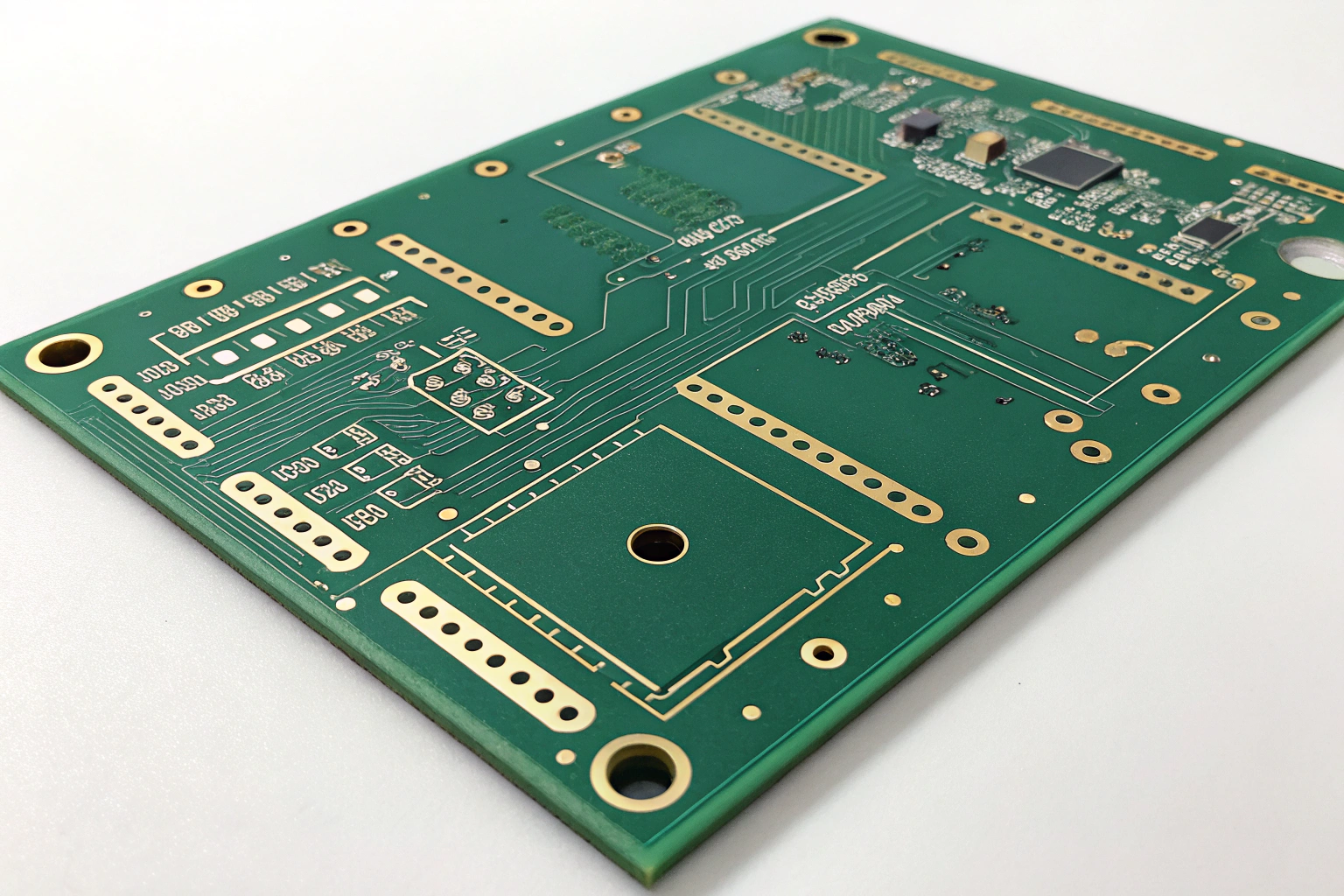
Key characteristics include:
- Good electrical insulation
- High mechanical strength
- Stable dielectric constant
- Acceptable thermal resistance
- Consistent thickness control
In factory production, these properties translate into predictable process behavior. FR4 laminates respond consistently during lamination, maintain dimensional stability during drilling, and withstand thermal cycles during soldering. This consistency is a major reason FR4 dominates PCB manufacturing.
How is FR4 used in PCB manufacturing processes?
FR4 is used as the core and prepreg material in rigid PCBs.
Copper foil is laminated onto FR4 sheets to form copper-clad laminates. For multilayer boards, FR4 prepregs are stacked between inner layers and pressed under controlled heat and pressure to bond the structure together.
In production workshops, FR4 handling is tightly controlled. Moisture absorption, storage temperature, and shelf life all affect resin behavior during lamination. Stable FR4 processing ensures strong interlayer bonding and prevents defects such as delamination or voids.
Are all FR4 materials the same?
Not all FR4 materials are identical.
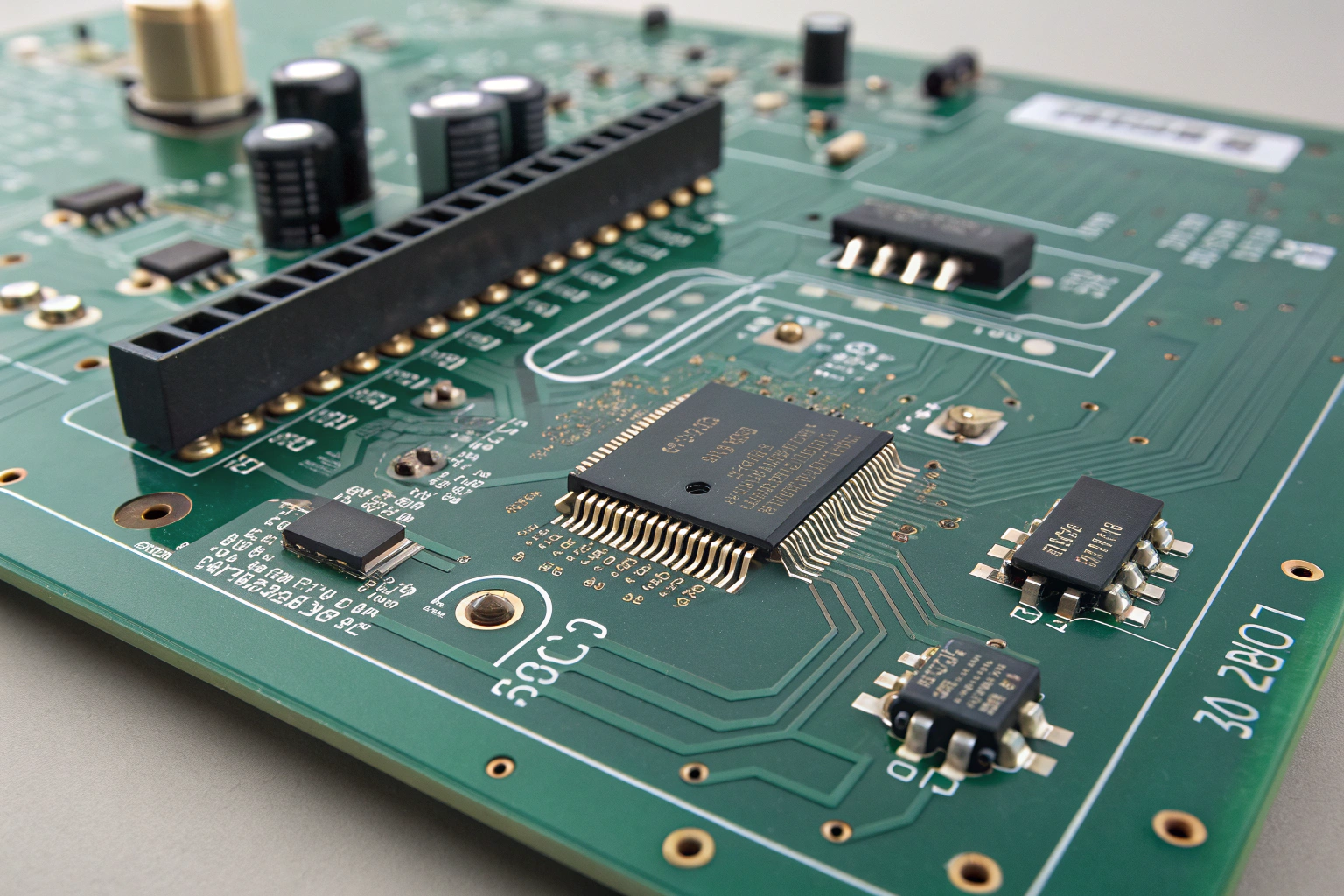
FR4 laminates vary by glass transition temperature (Tg), resin formulation, and dielectric performance. Standard FR4 is suitable for general applications, while high-Tg FR4 is used where higher thermal endurance is required.
In manufacturing planning, FR4 grade selection affects drilling parameters, lamination profiles, and soldering limits. Higher-grade FR4 materials provide better resistance to thermal stress but require stricter process control in the factory.
How does FR4 affect PCB fabrication quality?
FR4 directly influences fabrication yield and reliability.
During drilling, FR4 glass fiber content affects hole wall smoothness and tool wear. During plating, resin quality affects copper adhesion inside vias. During etching, material stability supports accurate trace definition.
Factories with experience in FR4 processing optimize drill speeds, lamination pressure, and curing profiles to match material characteristics. Proper process tuning ensures consistent via reliability and long-term electrical stability.
Where is FR4 commonly used?
FR4 PCBs are used in a wide range of electronic products.
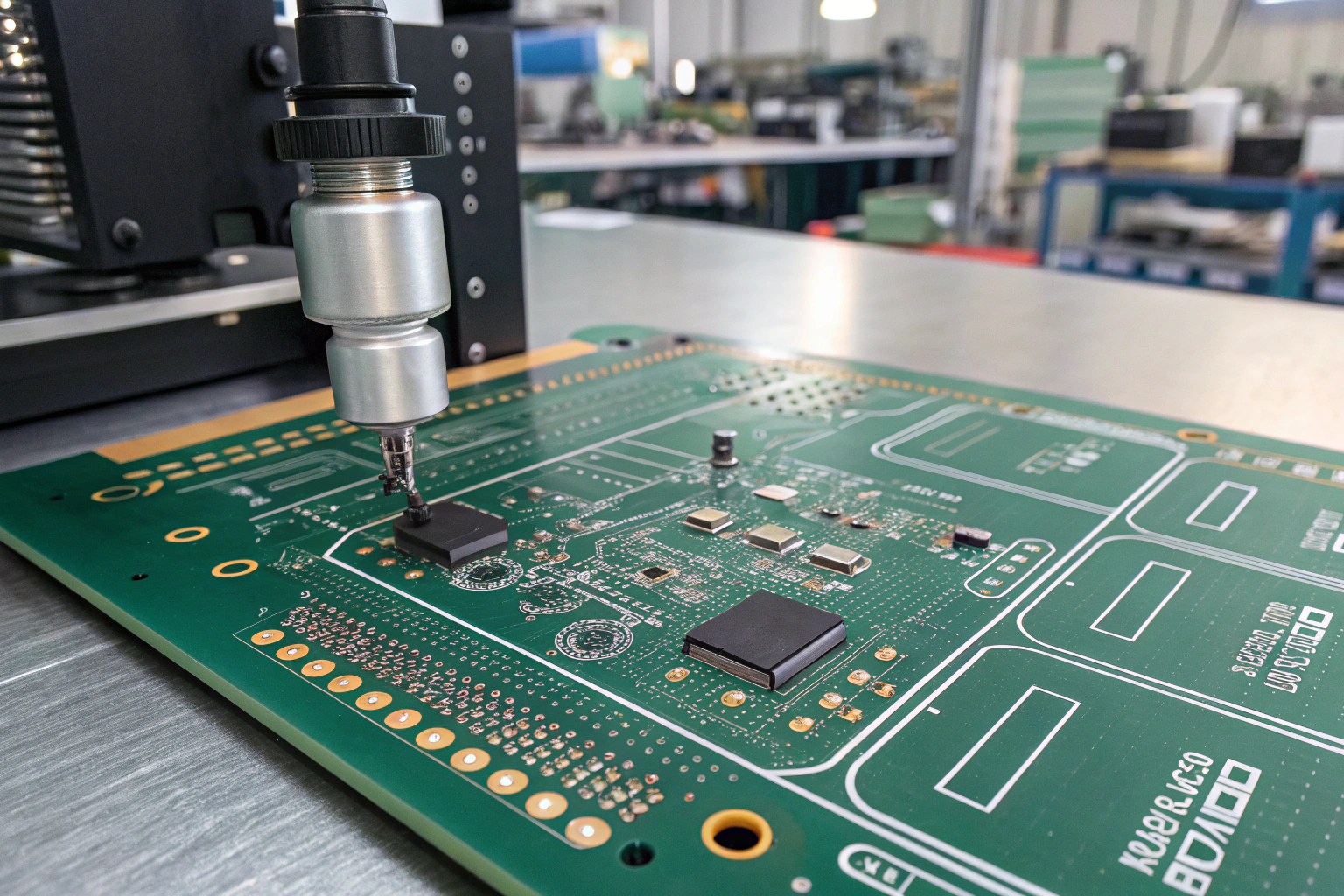
Typical applications include industrial control boards, power supply modules, communication equipment, smart home electronics, medical devices, and consumer electronics. For most low-to-medium frequency designs, FR4 meets both electrical and mechanical requirements.
In these applications, FR4 provides a cost-effective balance between performance and durability, making it suitable for both prototypes and volume production.
How do factory workshops control FR4 material quality?
Material control is essential in FR4-based PCB manufacturing.
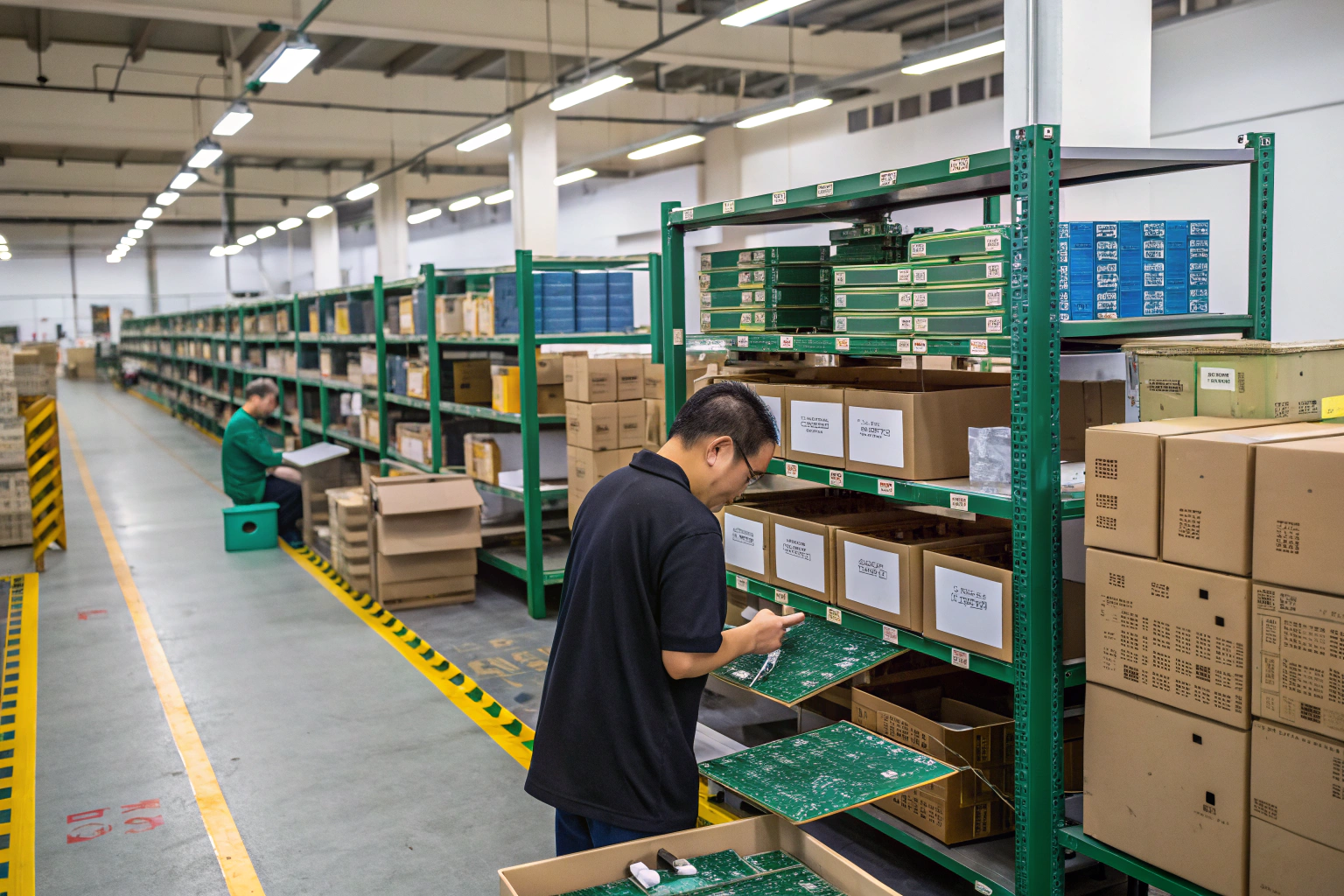
Factories implement incoming inspection to verify laminate thickness, Tg rating, and surface condition. FR4 materials are stored in temperature- and humidity-controlled environments to prevent moisture absorption before lamination.
Production records link FR4 material batches to finished boards, supporting traceability and consistent quality across production runs. This disciplined approach ensures that FR4 performs as expected throughout the entire manufacturing cycle.
Conclusion
FR4 material is the backbone of modern PCB manufacturing. Its flame resistance, electrical insulation, mechanical strength, and process stability make it the default choice for rigid circuit boards across many industries.
In a manufacturing environment, FR4 is more than a substrate. It defines lamination behavior, drilling accuracy, plating reliability, and long-term durability. When processed under controlled factory conditions with proper material management, FR4 PCBs deliver consistent performance, strong reliability, and stable quality throughout the product lifecycle.
