
PCB and PCBA are two fundamental terms in electronics manufacturing. PCB means Printed Circuit Board, which is the bare board with copper circuits. PCBA means Printed Circuit Board Assembly, which is the finished board after electronic components are mounted and soldered, making it functional.
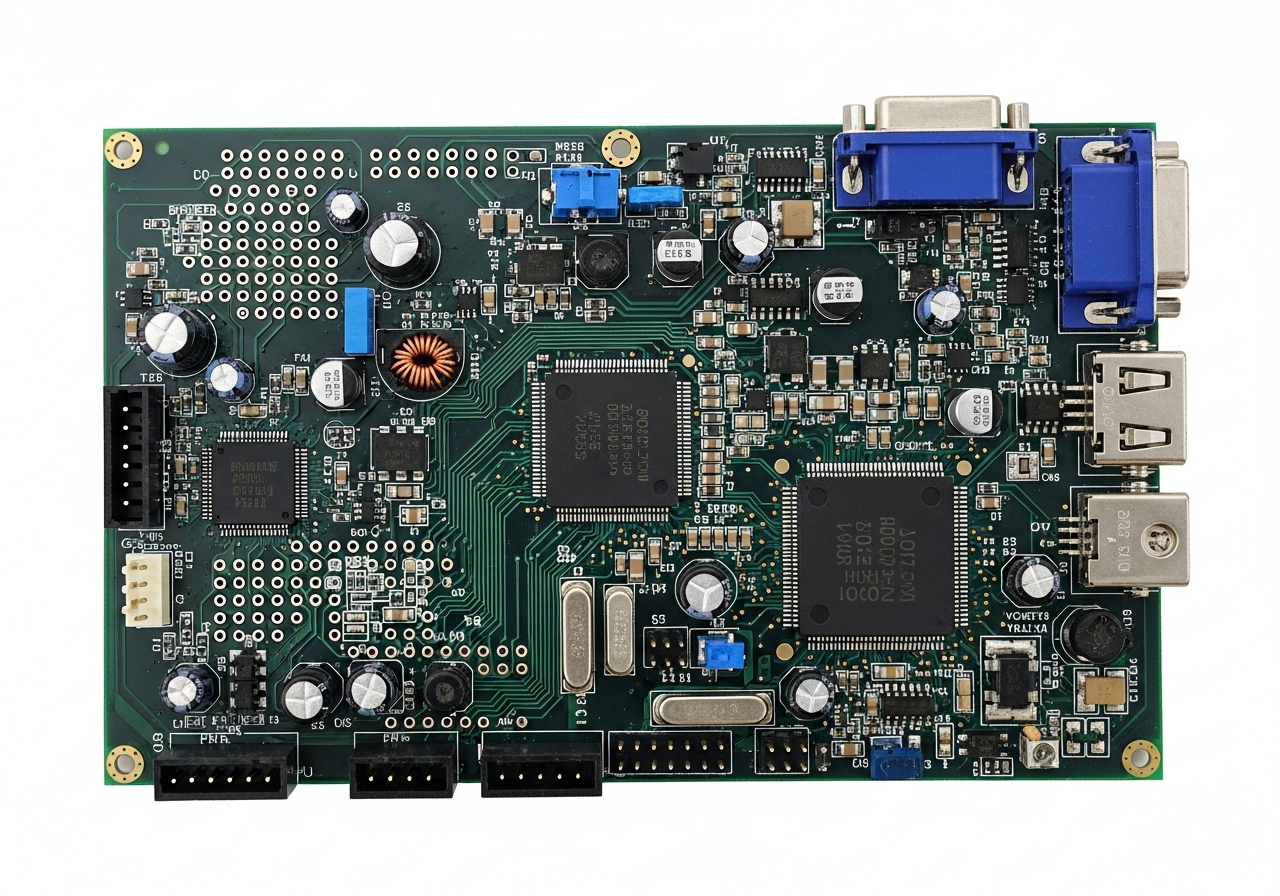
These two terms describe different stages of the same product lifecycle, and confusing them often leads to misunderstandings in design, sourcing, and production.
In practical manufacturing, PCB is the foundation, while PCBA is the working electronic unit.
What Does PCB Mean?
PCB refers to the physical circuit board itself.
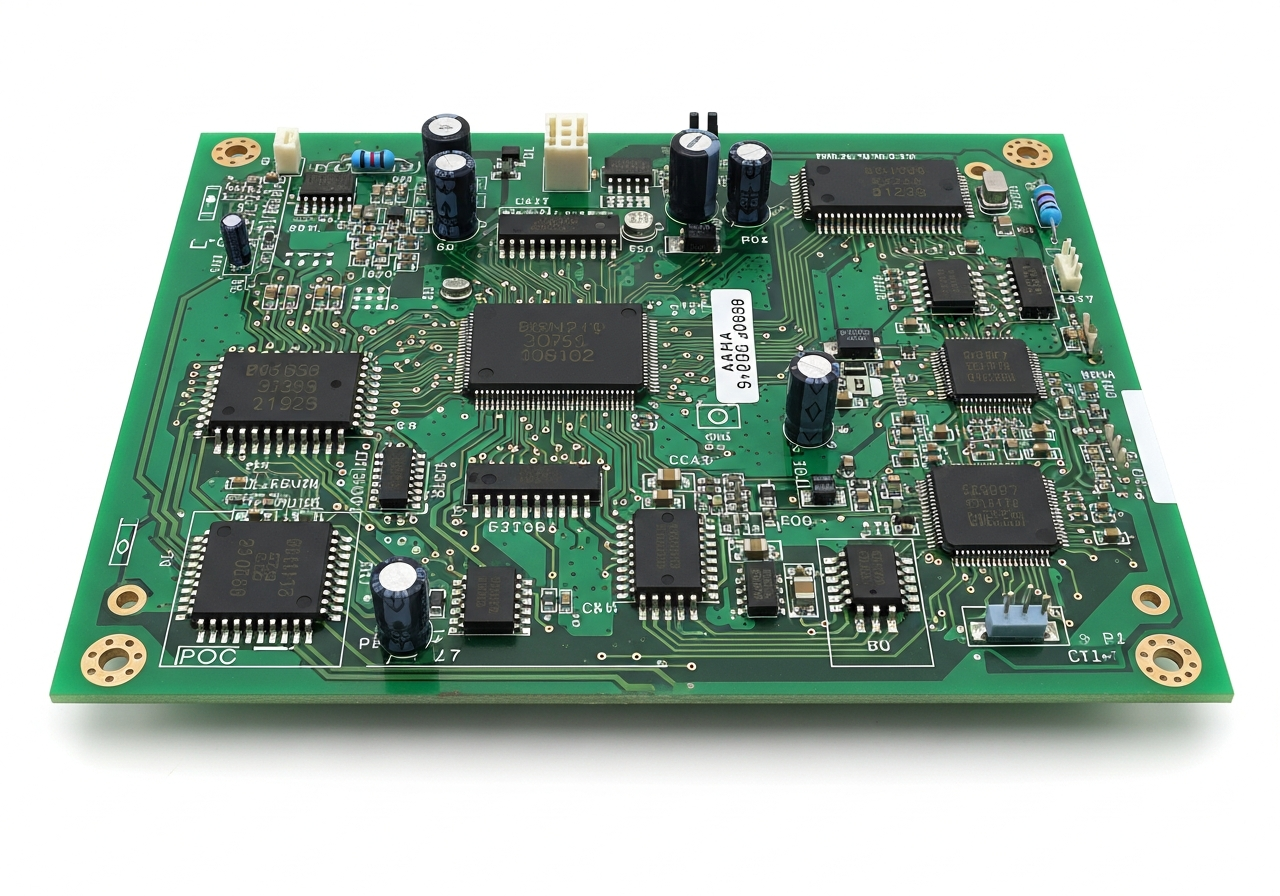
It is a structural and electrical platform.
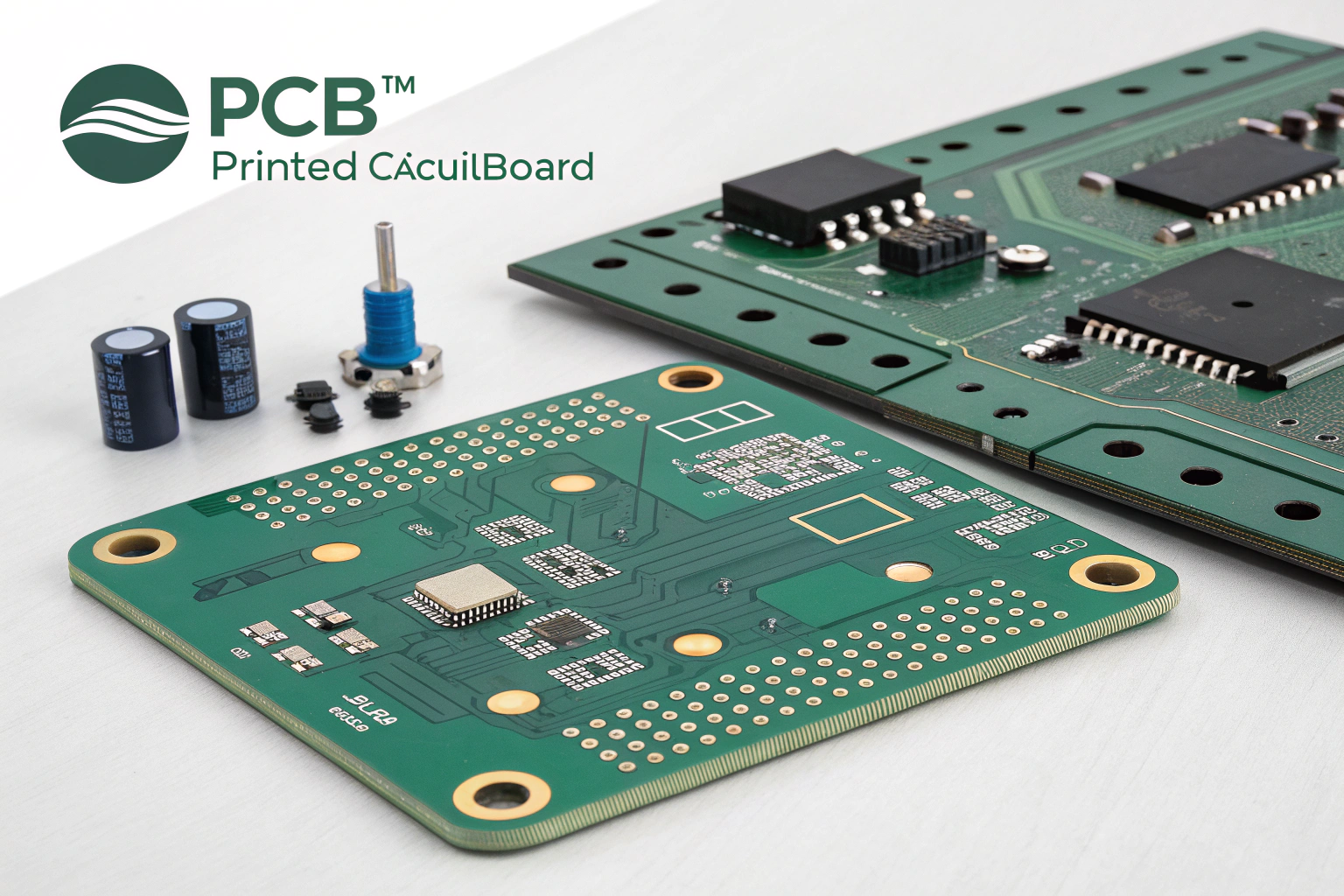
A PCB (Printed Circuit Board) is made from insulating material such as FR4, with copper traces etched onto one or multiple layers. These copper paths replace traditional wiring and define how electrical signals and power flow through the circuit.
A PCB typically includes:
- Copper traces and planes
- Vias connecting different layers
- Solder mask for insulation and protection
- Silkscreen for component marking
At this stage, there are no electronic components installed. The PCB cannot perform any function on its own. It cannot power on, calculate, communicate, or control anything.
In manufacturing, PCB production focuses on material quality, layer alignment, copper thickness, and surface finish. A stable PCB is essential, but it is only the first step toward a working electronic product.
What Does PCBA Mean?
PCBA refers to a fully assembled circuit board.
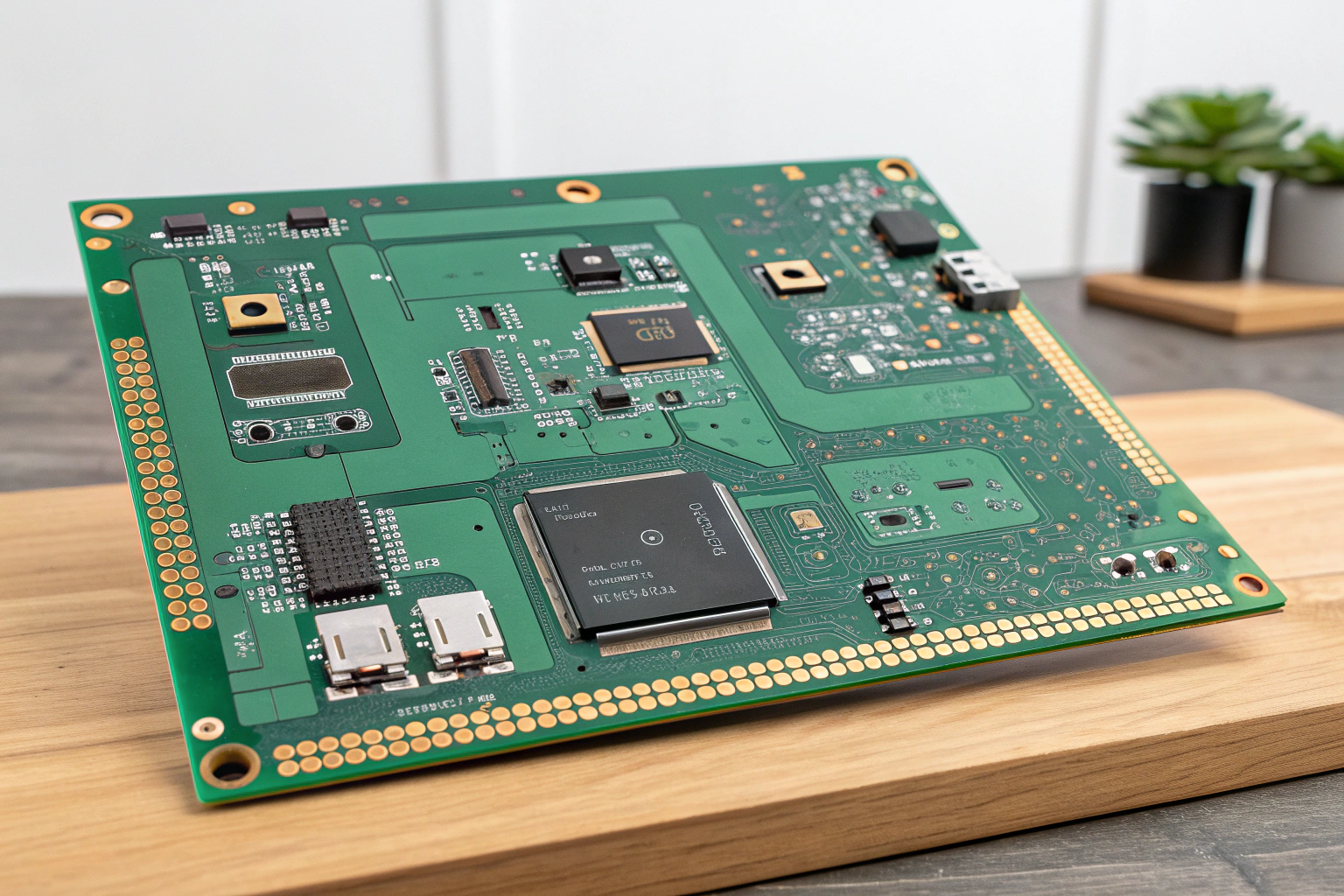
It is electrically functional.
PCBA stands for Printed Circuit Board Assembly. It describes a PCB after electronic components have been mounted and soldered onto it using processes such as SMT and DIP.
A PCBA includes:
- Integrated circuits, resistors, capacitors, and connectors
- Solder joints formed by reflow or wave soldering
- Verified electrical connections
Once assembled, the PCBA can execute its designed function. It may control a motor, manage power, process data, communicate wirelessly, or monitor sensors.
In real products, the PCBA is what actually goes inside the device housing. Without PCBA, the product is only a mechanical shell with no electronic capability.
The Core Difference Between PCB and PCBA
The difference is functional, not just linguistic.
They represent different manufacturing stages.
| Aspect | PCB | PCBA |
|---|---|---|
| Full name | Printed Circuit Board | Printed Circuit Board Assembly |
| Components | None | Installed and soldered |
| Function | No electrical function | Fully functional |
| Manufacturing stage | Board fabrication | Assembly and testing |
| Role in product | Foundation | Functional core |
In simple terms, a PCB is an empty road system, while a PCBA is the same road system with vehicles and traffic flowing.
How PCB and PCBA Are Made Differently in Factories
PCB and PCBA require different processes.
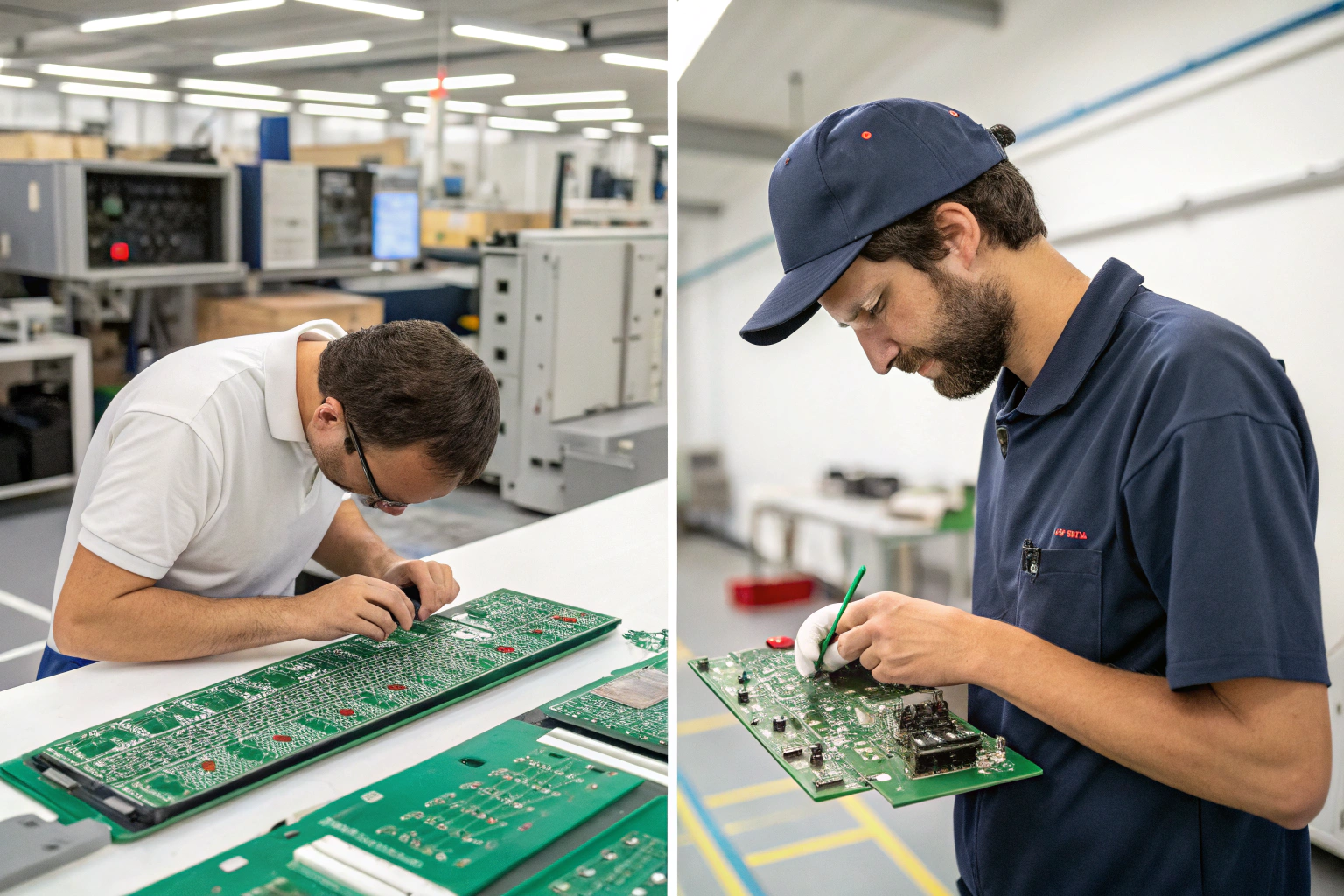
They are often produced in different workshops.
PCB manufacturing involves:
- Layer lamination and drilling
- Copper plating and etching
- Solder mask application
- Surface finish processing
- Bare board electrical testing
PCBA manufacturing involves:
- Solder paste printing
- Component placement
- Reflow soldering
- Through-hole or selective soldering
- AOI, X-ray, and functional testing
A PCB factory produces boards in panels.
A PCBA factory transforms those boards into working electronics.
Both stages must be well controlled. A high-quality PCBA cannot compensate for a poor PCB, and a perfect PCB is useless without proper assembly.
Why Both Terms Matter in Electronics Manufacturing
Using the correct term avoids costly mistakes.
PCB and PCBA are not interchangeable.
When discussing cost, lead time, or quality:
- PCB pricing covers board materials and fabrication only
- PCBA pricing includes components, assembly, testing, and labor
When discussing defects:
- PCB defects relate to traces, layers, and materials
- PCBA defects relate to solder joints, placement, and components
Clear distinction helps align design, procurement, and production expectations.
How PCB and PCBA Together Define Product Reliability
PCB defines structural integrity.
PCBA defines operational reliability.
PCB quality affects:
- Thermal stability
- Copper adhesion
- Long-term material durability
PCBA quality affects:
- Solder joint reliability
- Electrical consistency
- Resistance to vibration and heat
Most real-world electronic failures originate at the PCBA level, especially in solder joints. However, weak PCB materials accelerate those failures. Reliable products require both stages to be controlled and aligned.
Conclusion
PCB and PCBA describe two essential but different concepts in electronics. PCB means Printed Circuit Board, the bare board that provides electrical pathways. PCBA means Printed Circuit Board Assembly, the completed board with components installed and soldered, capable of real operation. PCB is the foundation, while PCBA is the functional heart of an electronic product. Understanding this difference is critical for design clarity, manufacturing efficiency, cost control, and long-term reliability. High-quality electronics are built when strong PCBs and disciplined PCBA processes work together as a complete system.
