
No metal lasts forever in all environments, but gold, platinum, and titanium are the metals most likely to survive for 1,000 years or more with minimal degradation. Their longevity comes from exceptional resistance to corrosion, oxidation, and chemical reaction.
In manufacturing and engineering, metal lifespan is never theoretical. It depends on environment, surface treatment, stress, and processing quality. History and modern industry both show that material choice and process control decide whether metal survives decades or centuries.
Understanding long-lasting metals is essential for electronics, industrial equipment, and infrastructure where failure over time is unacceptable.
Why Gold Is Considered One of the Most Durable Metals?
Gold does not corrode, rust, or oxidize.
Its stability is unmatched among metals.
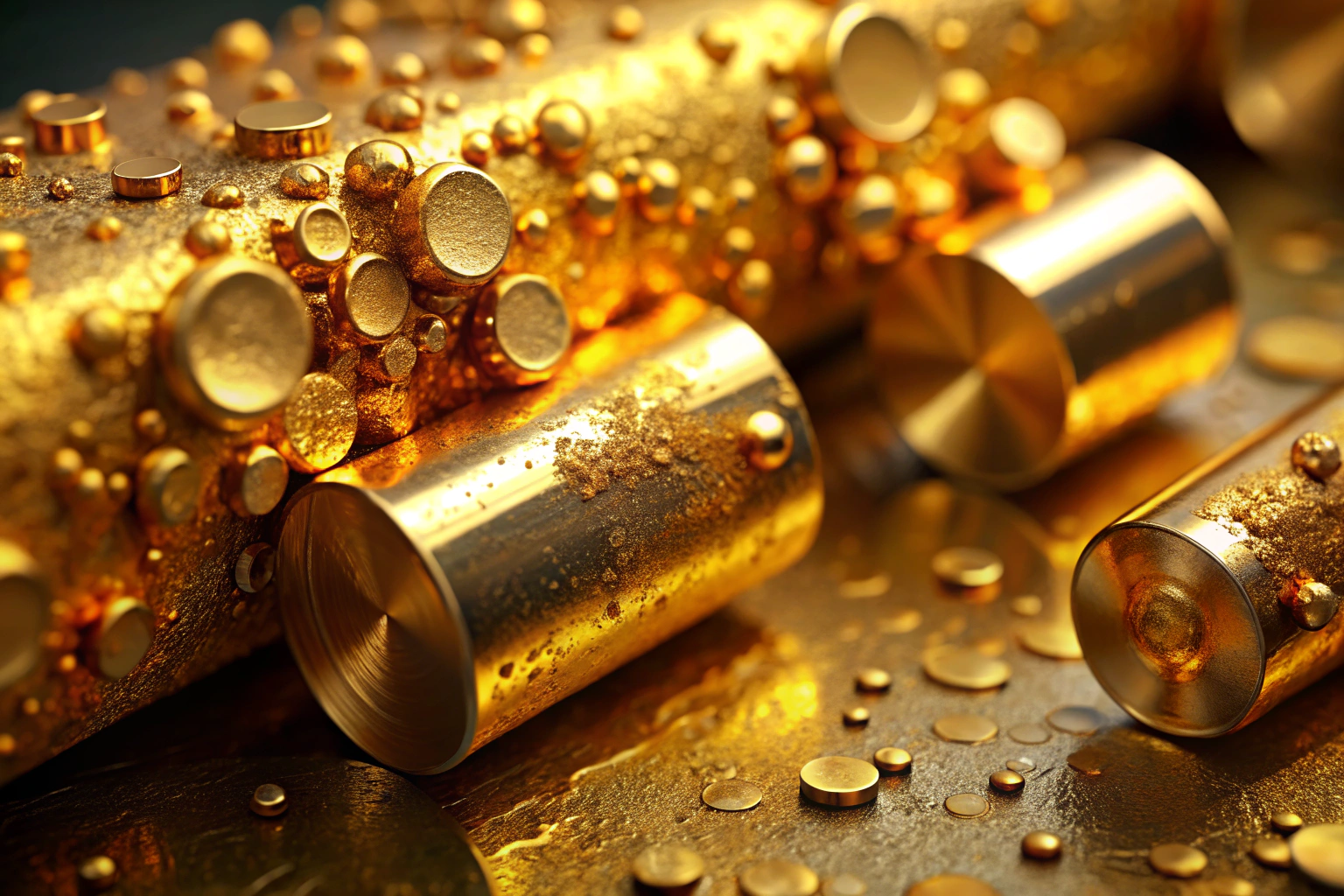
Gold remains chemically stable in air, water, and most acids. Archaeological gold artifacts thousands of years old still retain their original structure and surface.
From a materials perspective, gold’s atomic structure resists reaction with oxygen and sulfur. This makes it ideal for environments where electrical reliability must last decades without maintenance.
In electronics manufacturing, gold is widely used in:
- PCB surface finishes (ENIG, hard gold)
- Connector contacts
- Bonding wires
Gold plating ensures stable contact resistance and prevents oxidation over time. Even very thin layers provide long-term protection when applied correctly.
However, gold is soft and expensive. It is rarely used as a structural material. Its role is protection, conductivity, and longevity at critical contact points rather than load-bearing applications.
When properly applied and protected from mechanical wear, gold surfaces can easily last hundreds or even thousands of years.
How Platinum Survives Extreme Time and Conditions?
Platinum is built for harsh environments.
It resists heat, corrosion, and chemical attack.
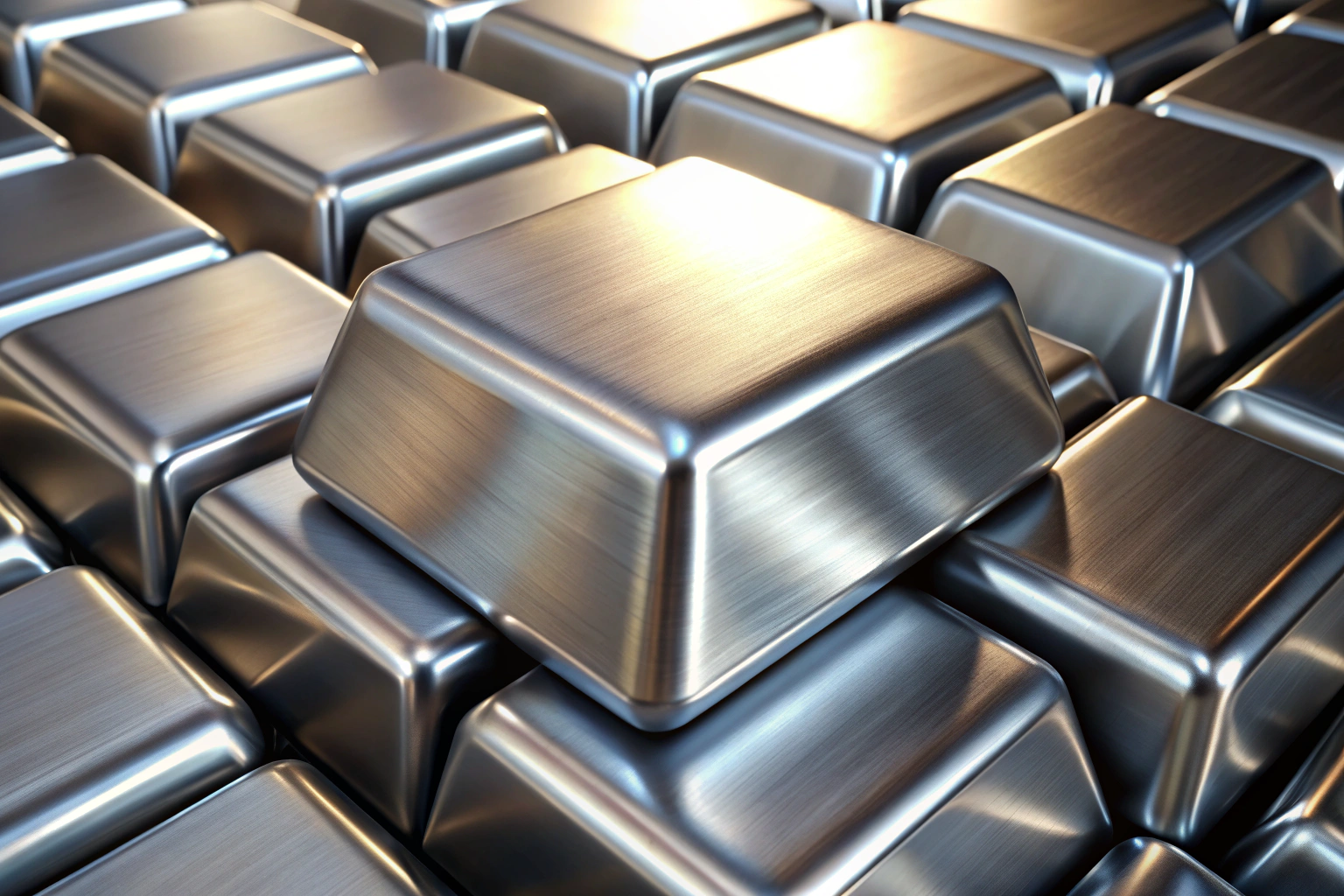
Platinum has one of the highest corrosion resistance levels among all metals. It does not oxidize at room temperature and withstands aggressive chemicals that destroy most alloys.
Historically, platinum artifacts show minimal degradation even after centuries. In modern industry, platinum is used where failure is not an option, such as:
- Chemical processing equipment
- High-temperature sensors
- Medical implants
From a manufacturing view, platinum’s durability comes with challenges. It has a high melting point and requires precise processing. Poor handling can introduce contamination or stress, reducing long-term stability.
In electronics, platinum appears in specialized sensors and thick-film circuits rather than standard PCBs. When used correctly, its lifespan exceeds most system requirements.
Platinum’s main limitation is cost. But where longevity outweighs expense, it remains one of the best metals for extreme service life.
Why Titanium Can Last for Centuries in Real-World Use?
Titanium forms its own protection.
Its oxide layer works in its favor.
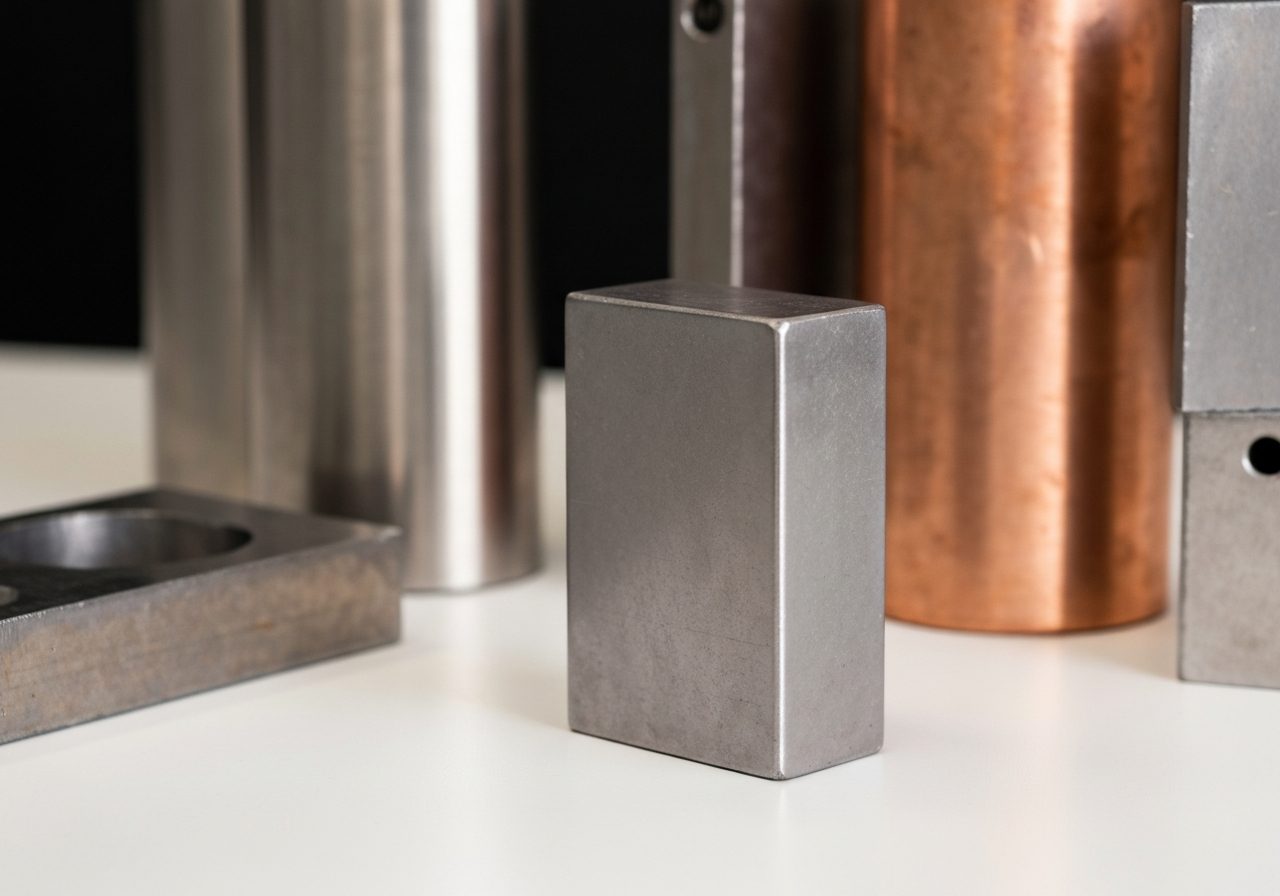
Titanium reacts with oxygen instantly, forming a thin, stable oxide layer. Unlike rust on steel, this oxide protects the base metal instead of weakening it.
This self-healing surface allows titanium to survive in:
- Marine environments
- Medical implants inside the human body
- Industrial outdoor structures
Titanium has been used in aerospace and medical fields where lifespan expectations exceed several decades. With proper design and low mechanical stress, titanium components can realistically last hundreds of years.
In manufacturing, titanium is difficult to machine and solder. It requires specialized processes, but once formed and protected, it offers exceptional durability.
Titanium is rarely used in standard electronic solder joints. Instead, it appears in housings, frames, and structural parts where corrosion resistance matters more than conductivity.
Why Iron and Steel Rarely Reach 1000 Years?
Iron is strong but chemically active.
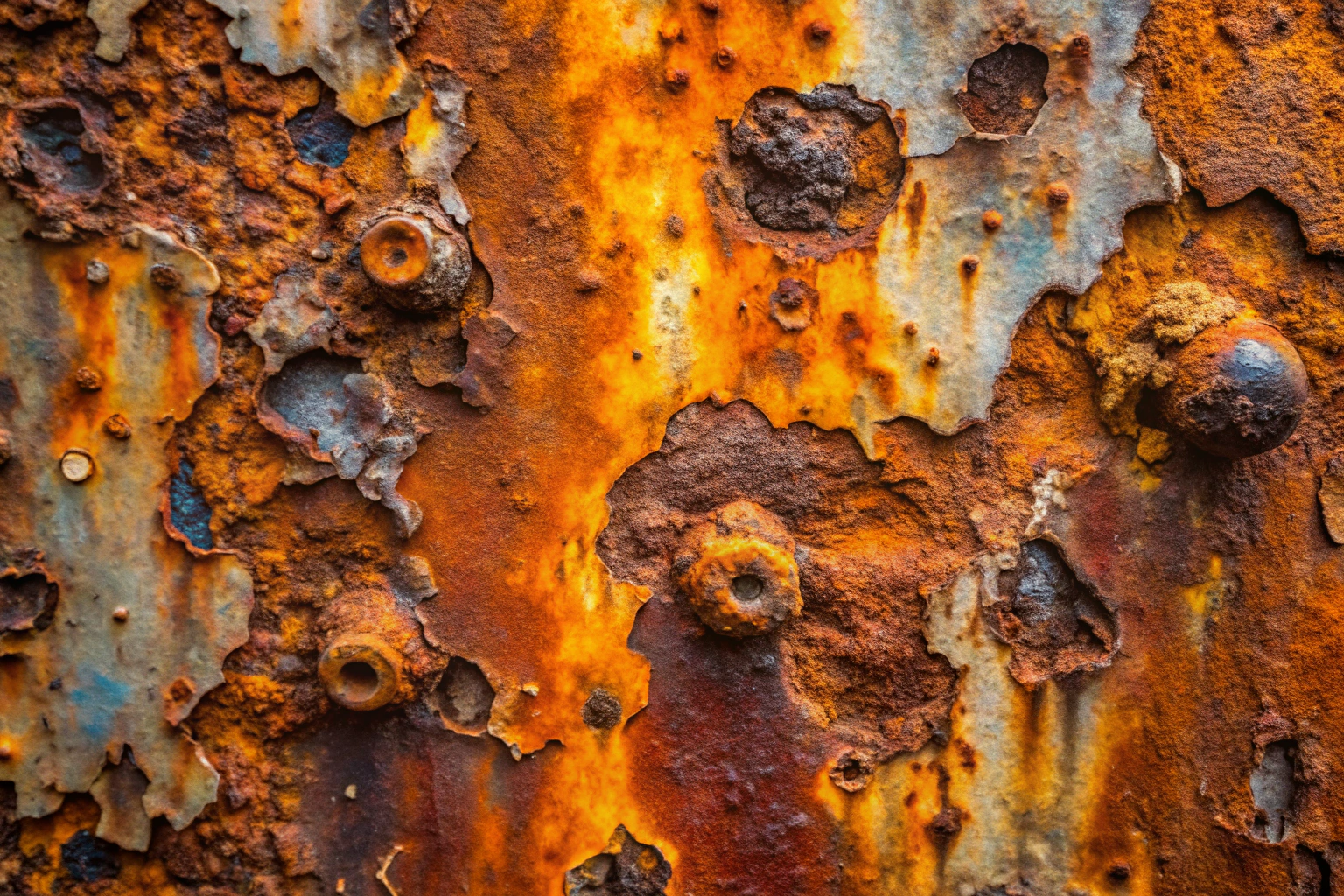
Time is not on its side.
Pure iron and carbon steel oxidize easily in the presence of oxygen and moisture. Rust consumes the metal itself, leading to gradual loss of strength and eventual failure.
Historical iron structures that survive centuries do so because of:
- Extremely dry environments
- Thick material cross-sections
- Protective surface layers
Even stainless steel, while more durable, is not immune. Its chromium oxide layer slows corrosion but can fail under salt, heat, or chemical exposure.
In manufacturing, steel longevity depends heavily on coatings, plating, and maintenance. Without continuous protection, expecting steel to last 1,000 years is unrealistic in most environments.
How Copper and Bronze Have Proven Long-Term Survival?
Copper alloys age differently.
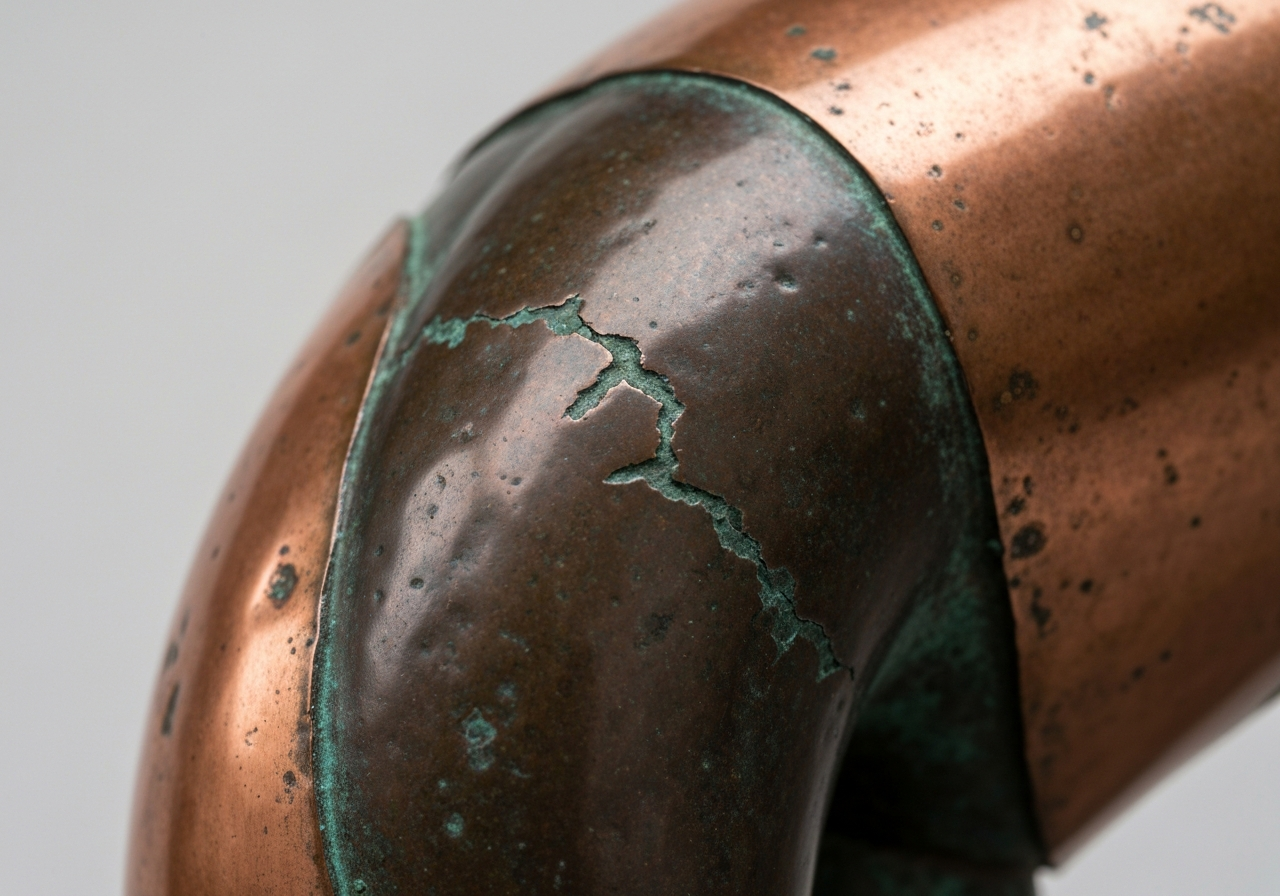
They corrode slowly and predictably.
Copper and bronze artifacts have survived thousands of years, especially in statues, tools, and decorative objects. Their corrosion forms a stable patina that protects deeper layers.
In electronics manufacturing, copper is the foundation of PCBs. However, bare copper does not last long in air. It oxidizes quickly and loses solderability.
This is why copper surfaces are always protected with:
- ENIG
- OSP
- HASL
- Immersion silver or tin
With proper surface finish and environmental control, copper-based structures can last extremely long, especially when not exposed to moisture or aggressive chemicals.
Copper alone may not survive 1,000 years in active environments, but copper alloys and protected systems can approach that scale.
How Manufacturing Quality Determines Metal Lifespan?
Material choice is only the starting point.
Process quality decides the outcome.
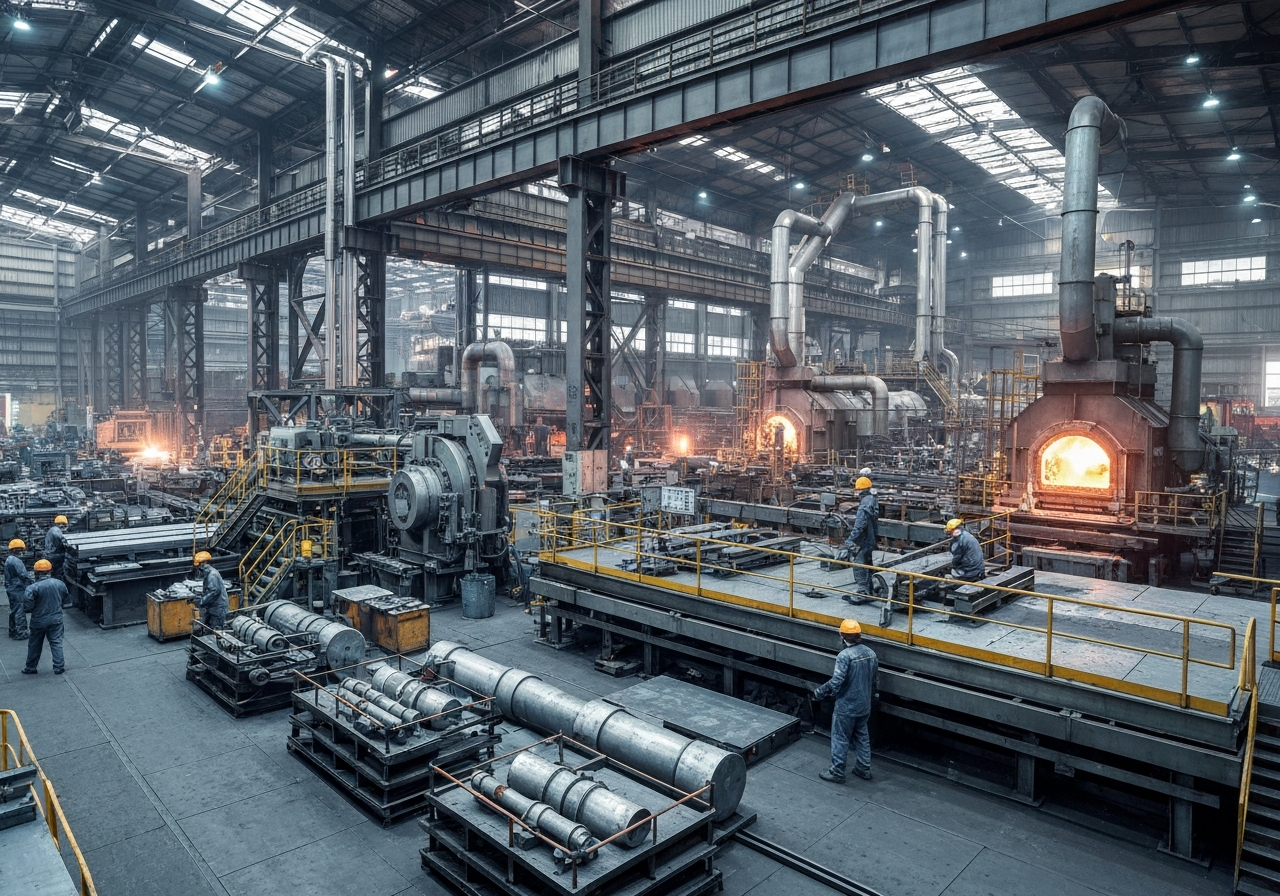
In real production, metals fail early due to:
- Poor surface preparation
- Residual stress
- Contamination
- Improper joining methods
A theoretically long-lasting metal can degrade quickly if manufacturing introduces defects. Micro-cracks, trapped moisture, or incompatible coatings shorten lifespan dramatically.
Professional workshops control:
- Material storage and handling
- Surface finishing quality
- Thermal stress during processing
- Inspection and testing standards
For electronic assemblies, metal longevity also depends on solder joint integrity, plating thickness, and environmental sealing. Weak joints fail long before the base metal reaches its limit.
This is why design review and process discipline matter as much as material selection.
Conclusion
No metal is guaranteed to last 1,000 years in every environment, but gold, platinum, and titanium come closest due to their exceptional resistance to corrosion and chemical change. Copper alloys and protected systems also demonstrate remarkable longevity under controlled conditions. In real manufacturing, metal lifespan is determined not only by chemistry but by processing quality, surface treatment, and environmental exposure. When materials are chosen wisely and manufactured with discipline, metal components can survive far beyond typical product lifecycles, sometimes reaching centuries or even millennia.
