
The best solder for wiring is rosin-core solder made of tin and copper or tin and lead, depending on regulations and application needs. It provides strong electrical conductivity, good wetting, and reliable long-term performance for wire connections.
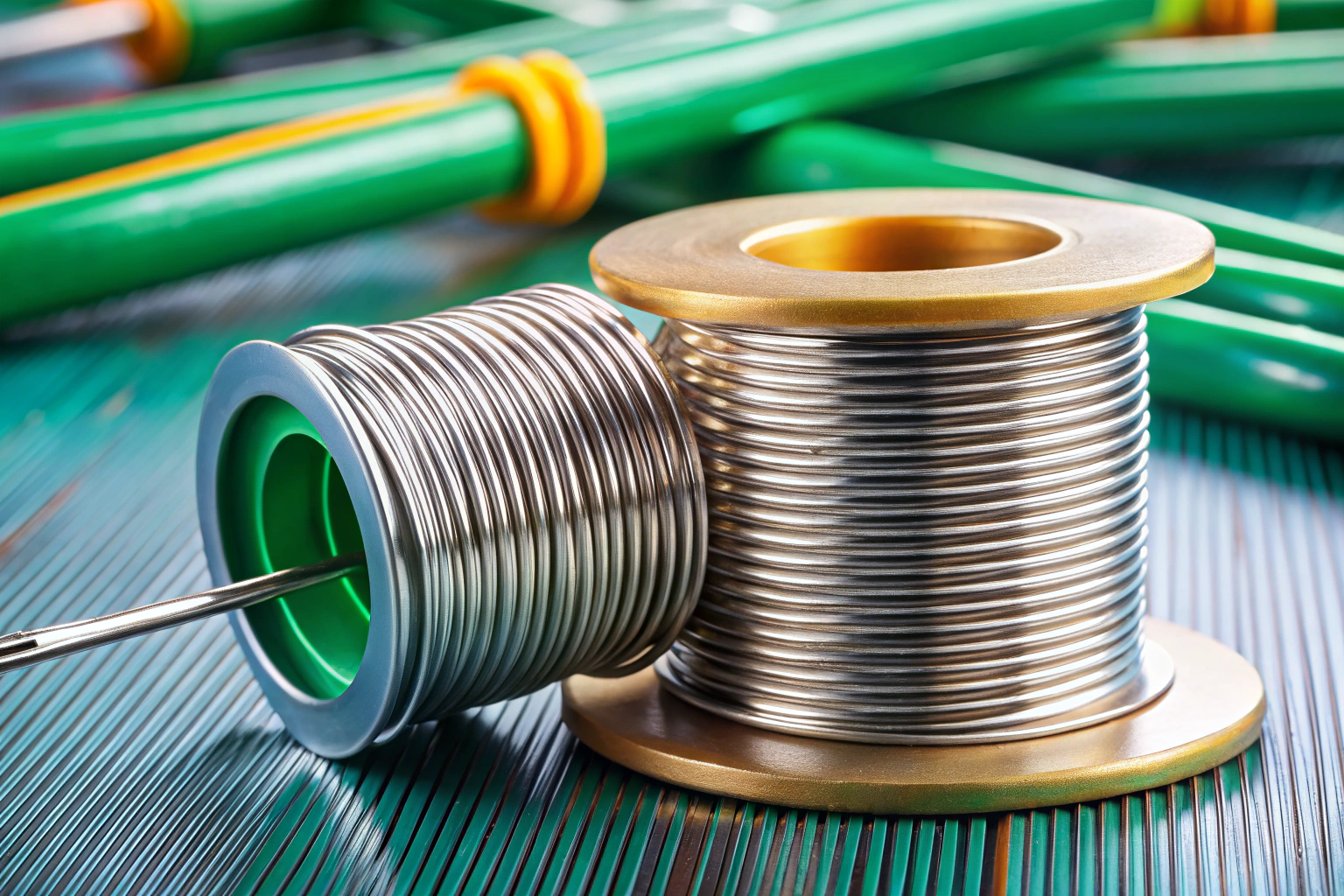
Choosing the right solder is not about brand preference. It is about alloy composition, flux type, wire size, and how the joint will be used over time.
In manufacturing and professional assembly, incorrect solder choice for wiring leads to weak joints, oxidation, and early failure, even if the soldering technique looks correct.
Why Rosin-Core Solder Is the Standard for Wiring?
Flux inside the solder wire simplifies the process.
It protects the joint during heating.
Rosin-core solder contains flux in its center. When heated, the flux activates automatically, removing oxides from copper wires and terminals. This allows solder to wet evenly and form a solid bond.
For wiring applications, rosin-core solder is preferred because:
- It is safe for copper conductors
- It leaves non-corrosive residues
- It supports consistent wetting
- It reduces cold joint risk
In professional workshops, external acid flux is never used for electrical wiring. Acid flux causes corrosion over time and leads to insulation damage and conductor failure.
Rosin-core solder supports clean, controlled joints that remain stable for years, which is why it is the default choice for wire harnesses and electronic assemblies.
Leaded vs Lead-Free Solder for Wiring: Which Is Better?
Both types work, but they behave differently.
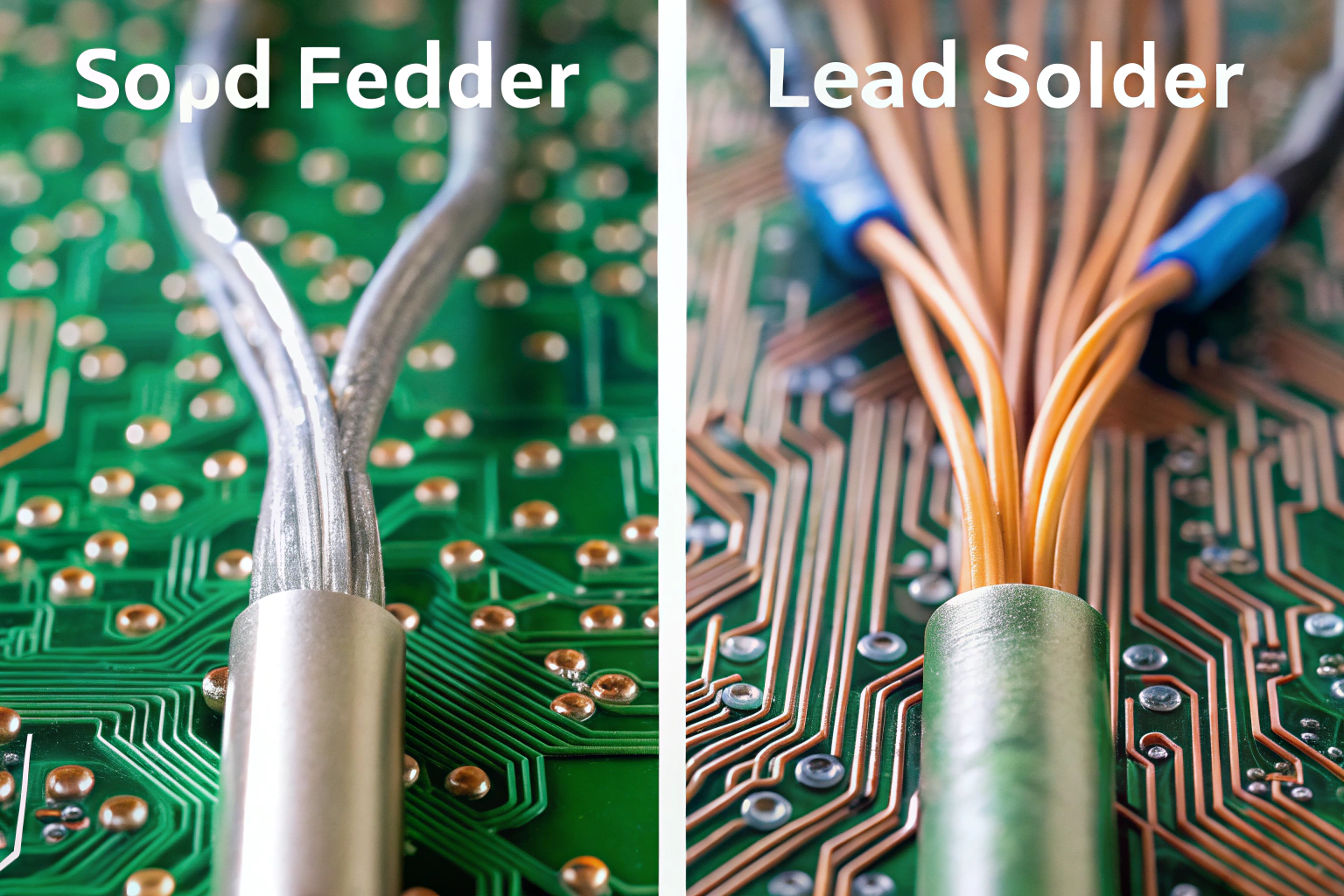
Process control determines success.
Leaded solder, commonly 63/37 or 60/40 tin-lead, melts at a lower temperature and flows smoothly. It forms shiny joints and is forgiving during manual wiring work.
Lead-free solder, typically tin-copper or tin-silver-copper, melts at higher temperatures. It requires better heat control and slightly longer dwell time.
Comparison for wiring:
- Leaded solder: easier to use, lower melting point, smooth flow
- Lead-free solder: environmentally compliant, higher strength, higher heat demand
In manufacturing environments, lead-free solder is often required. Wiring processes are adjusted with higher iron temperatures and controlled dwell times to avoid insulation damage.
For controlled production lines, lead-free solder performs reliably when process parameters are well defined.
Why Tin-Copper Solder Is Common for Wire Harnesses?
Tin-copper alloys balance cost and performance.
They are stable for electrical use.
Tin-copper solder, often Sn99.3Cu0.7, is widely used for wiring in production environments. It offers good conductivity and acceptable wetting on copper wires and terminals.
Advantages include:
- Strong metallurgical bonding
- Good availability and cost control
- Compatibility with automated wiring processes
This alloy is especially common in industrial wiring, power cables, and internal harnesses where joint strength and consistency matter more than appearance.
Proper flux activity and temperature control are essential. Without them, tin-copper solder may appear dull but still form a reliable joint when processed correctly.
What Solder Diameter Works Best for Wiring?
Solder size affects heat control.
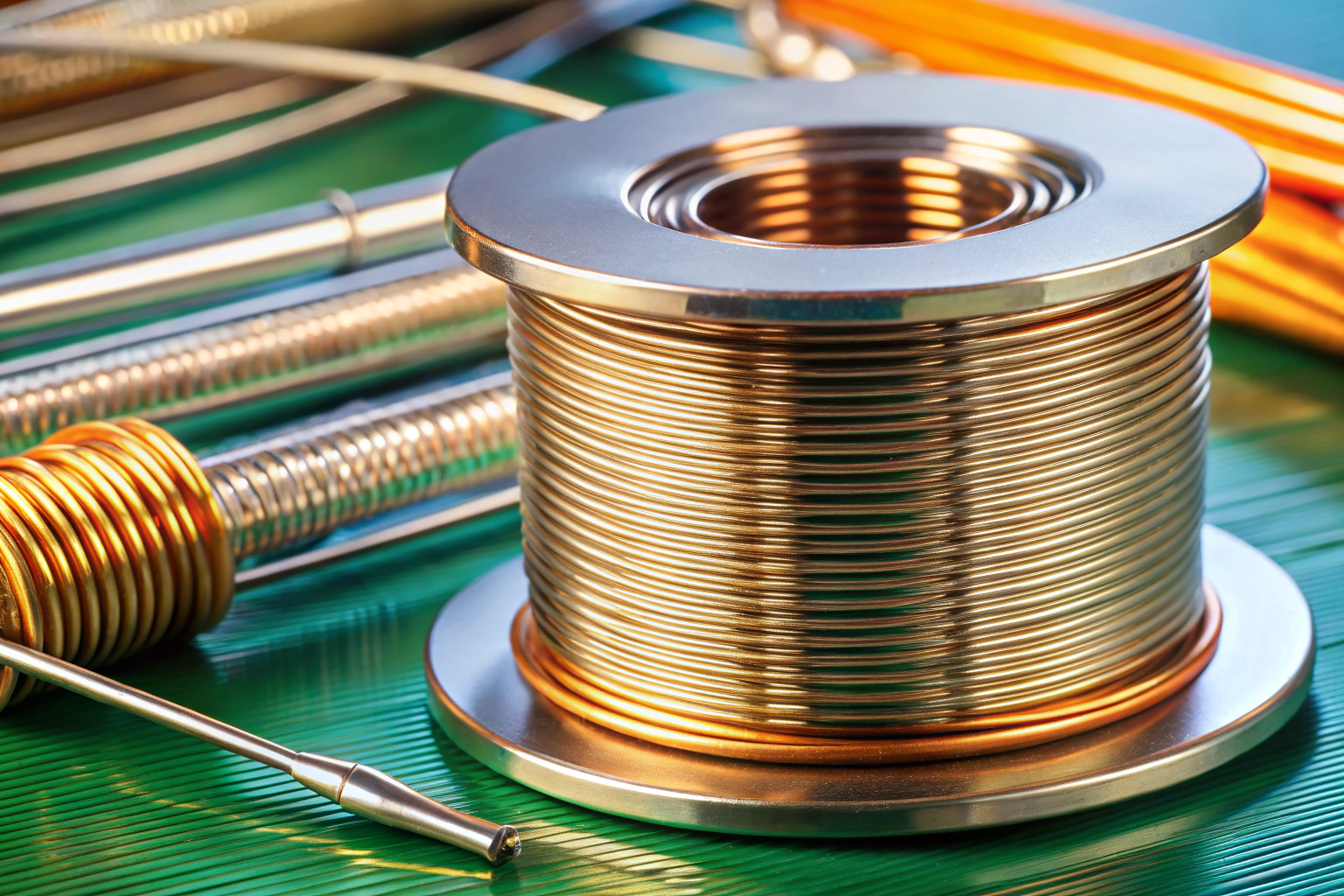
Too thick or too thin causes problems.
For wiring, solder diameter should match the wire gauge and terminal size.
Common guidelines:
- Thin wires and signal wiring: 0.5–0.8 mm
- Standard electrical wiring: 0.8–1.0 mm
- Heavy gauge wires: 1.0–1.2 mm
Using overly thick solder floods the joint and traps flux. Using overly thin solder causes uneven fill and poor wetting.
In factory workshops, solder diameter is standardized by work instruction. This prevents variation between operators and ensures repeatable joint quality across batches.
How Factory Processes Ensure Reliable Wiring Solder Joints?
Good solder is only one part of success.

Process discipline completes the system.
In professional manufacturing workshops, wiring soldering follows strict rules:
- Wires are stripped to defined lengths
- Conductors are pre-tinned when required
- Temperature-controlled irons are used
- Dwell time is limited to protect insulation
Flux residue is managed carefully. Visual inspection checks wetting, fillet shape, and insulation distance. Pull testing may be applied to verify mechanical integrity.
Wiring solder joints are also positioned to avoid stress. Strain relief and routing prevent vibration from transferring directly to the solder joint.
These controls ensure that the chosen solder performs as intended over the product’s lifetime.
When Is Solder Not the Best Choice for Wiring?
Solder is reliable, but not universal.
Mechanical stress changes the decision.
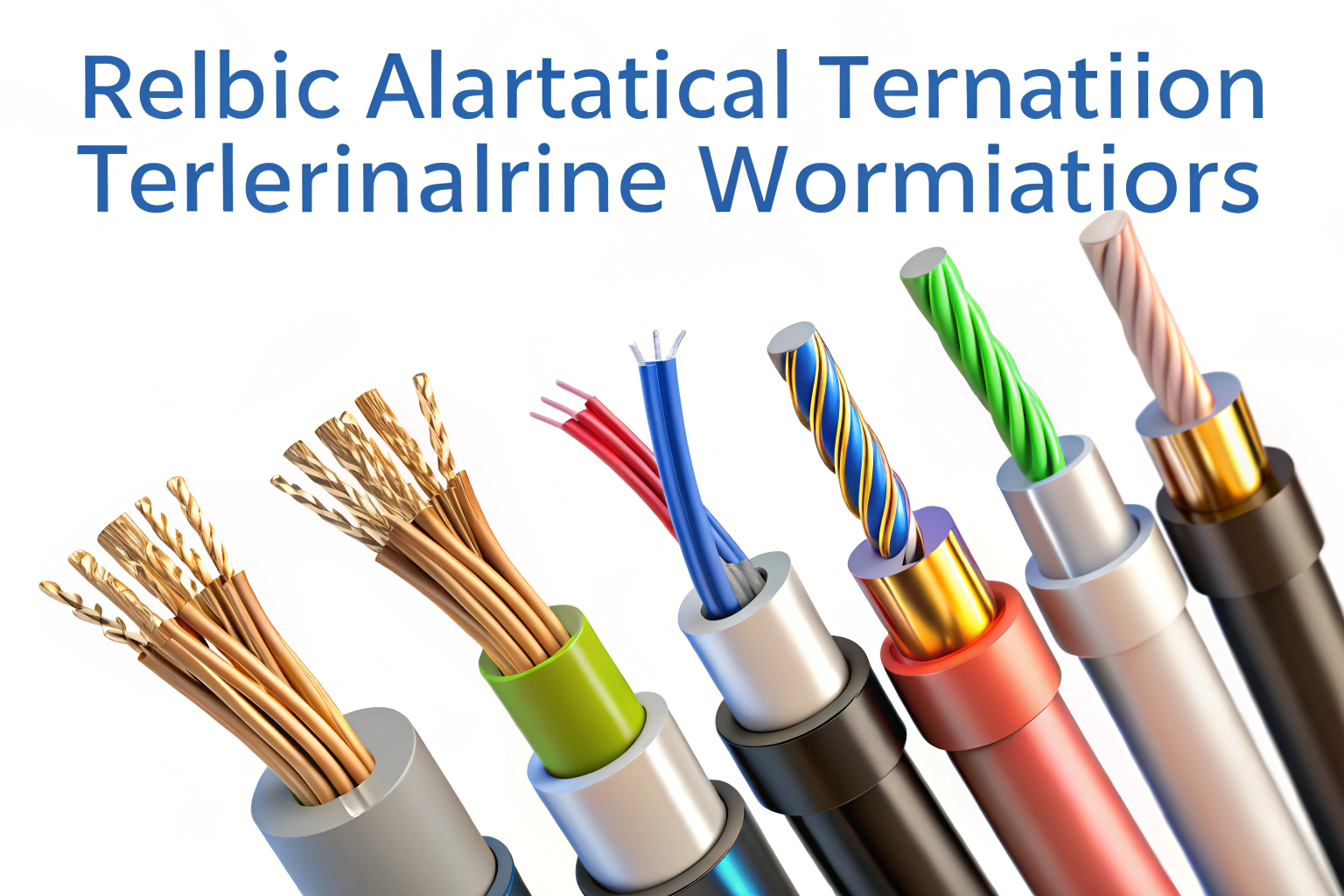
In high-vibration or high-current environments, solder alone may not be sufficient. Crimping or welded terminals may be preferred.
Soldered wiring joints should not:
- Carry mechanical load
- Flex repeatedly
- Support cable weight
In professional designs, soldering is often combined with crimping or strain relief to balance electrical reliability and mechanical strength.
Choosing solder wisely also means knowing when not to use it.
Conclusion
The best solder for wiring is rosin-core solder with a tin-based alloy, chosen according to application and compliance needs. Leaded solder offers ease of use, while lead-free tin-copper alloys provide reliable performance in regulated environments. Correct diameter, proper flux behavior, and disciplined factory processes matter as much as the solder itself. When wiring solder joints are made with the right materials and controlled techniques, they deliver stable conductivity, strong bonding, and long-term reliability across a wide range of electrical applications.
